
Selecting the ideal plastic chairs backrest style is a balancing act between physical comfort, daily household habits, and spatial realities. While plastic is highly valued for its versatility, lightweight nature, and ease of maintenance, not all backrest designs serve the same purpose. A backrest that works perfectly for a quick ten-minute breakfast might cause discomfort during a multi-course family dinner or a long evening of hosting guests. To find the right fit, you must evaluate how your family uses the dining area, the physical dimensions of your space, and the specific structural features of the chair.
Assess Your Daily Dining Habits and Spatial Constraints
Before browsing styles, analyze how your household actually interacts with the dining space. If your routine consists of rapid, on-the-go meals or casual morning coffees, your backrest requirements will differ significantly from a household that hosts weekly dinner parties or uses the dining table as a temporary home office. Longer sitting periods demand a design that actively supports the spine, whereas brief meals allow for more minimalist, low-profile designs.
Spatial limitations are equally critical, particularly in compact urban homes where every centimeter counts. In many modern apartments, the dining area is integrated directly into the living room, making visual clutter a primary concern. Measure the clearance between the underside of your dining table and the floor, as well as the walkway space behind the chairs when they are occupied. A high or wide backrest can make a small dining room feel cramped and obstruct natural traffic flow. Ensure there is at least 60 to 90 centimeters of clearance behind the table to pull chairs out comfortably without hitting walls or other furniture.
Products mentioned in this guide
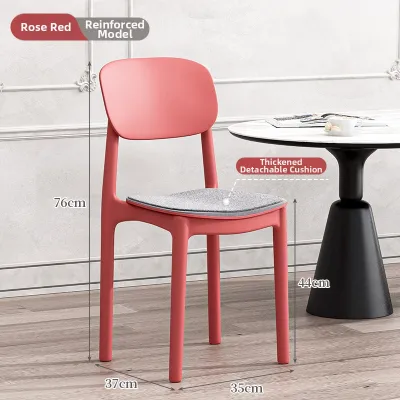
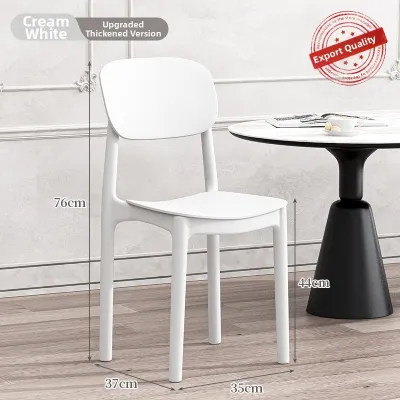
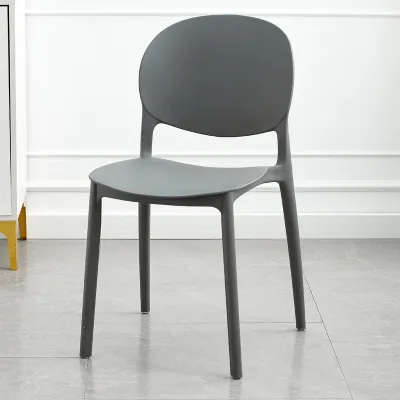
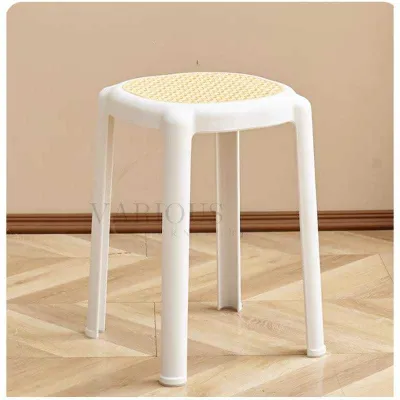
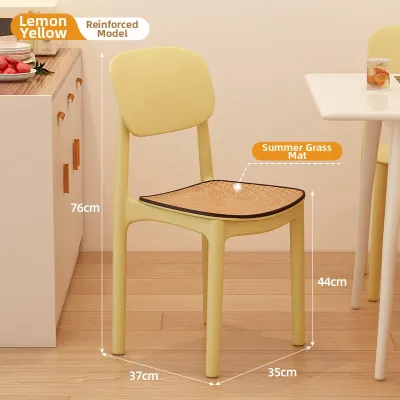
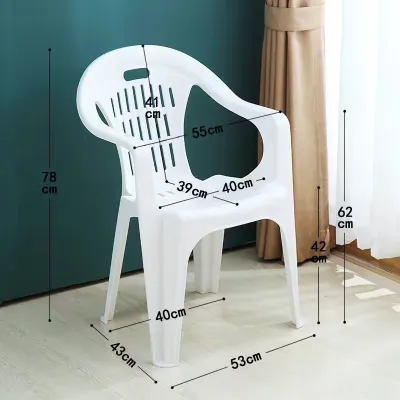
Prices are valid at publication and may change. Please refer to the product page for the latest price.
Finally, consider who will be using the chairs daily. Households with young children often benefit from low-to-mid backrests that are easy to wipe down and lack complex crevices where food can get trapped. For older adults, a backrest that offers firm, upright support and integrates smoothly with sturdy armrests or a stable frame is essential for assisting with sitting down and standing up safely. Balancing these diverse household needs ensures the selected style remains practical for everyone.
Match Backrest Heights to Your Typical Meal Duration
The height of a plastic chairs backrest directly influences both your physical comfort and the visual weight of your dining room. Low-back and mid-back designs typically end below the shoulder blades. These styles are excellent for quick meals, casual snacking, and open-concept living spaces where you want to maintain unobstructed sightlines across the room. Because they do not dominate the visual plane, they help smaller dining areas feel more spacious and airy.

Conversely, high-back plastic chairs extend up to the shoulders or neck, offering continuous support along the entire length of the spine. This makes them the preferred choice for extended dining sessions, long conversations around the table, or multi-purpose use. However, high-back designs require careful consideration of visual proportions; they can easily overwhelm a low-ceilinged room or a delicate dining table.
To avoid purchasing chairs that do not fit your setup, never rely solely on visual estimates from online photos. Always verify the exact height and width dimensions from the manufacturer’s specifications. Compare these measurements against your table height to ensure the chairs can be tucked in fully when not in use, preserving valuable floor space. This simple check prevents the frustration of owning beautiful chairs that cannot slide under the table.
Evaluate Backrest Curves and Ergonomic Support
The shape of the backrest determines how well it distributes your body weight and reduces pressure on your lower back. Completely flat plastic backrests offer minimal ergonomic support and can lead to slouching during longer sitting periods. They are generally best reserved for very brief utility seating rather than primary dining chairs.
Contoured or curved backrests are engineered to mimic the natural S-curve of the human spine. These designs feature a gentle inward curve at the lower section to support the lumbar region, combined with a slight lateral wrap that cradles the torso. This structural shaping helps maintain healthy posture and reduces muscle fatigue, making even a firm plastic surface surprisingly comfortable for prolonged sitting.
In warm, humid climates, perforated or slatted backrest designs offer an additional layer of comfort by promoting airflow. These cutouts prevent heat buildup against your back, making long meals much more pleasant. When evaluating plastic chairs, look closely at the flexibility and structural engineering of the backrest. High-quality designs often incorporate engineered flex zones or subtle structural ribbing on the reverse side. This allows the backrest to give slightly when you lean back, accommodating natural body movements without compromising the overall stability or strength of the chair. Avoid assuming that a specific plastic material name automatically guarantees comfort; instead, focus on verifying the physical curvature and flexibility of the shell.
Verify Structural Stability and Surface Finish
A dining chair must be durable enough to handle daily movement, shifting weight, and occasional impacts. Begin by inspecting the connection points where the plastic backrest meets the seat and the leg frame. Integrated molding, where the seat and backrest are formed from a single continuous piece of plastic, eliminates weak joints and offers excellent long-term durability. If the backrest is a separate piece, look for reinforced joints and high-quality metal hardware rather than simple plastic clips.
Always review the manufacturer’s care guidelines and maximum weight capacity limits before making a decision. A well-constructed plastic chair should feel stable and rigid, without excessive wobbling or twisting when pressure is applied to the top of the backrest. If a chair flexes too easily under light pressure, it may warp or crack over time under regular household use.
The surface finish of the plastic also plays a major role in daily maintenance and aesthetics. Matte and textured finishes are highly practical for busy households, as they excel at hiding fingerprints, minor scratches, and dust. Glossy finishes offer a sleek, modern look but require more frequent wiping to maintain their pristine appearance. Choose a finish that aligns with your willingness to clean and maintain the furniture over time.
Frequently Asked Questions (FAQ)
Can I add cushions to a plastic dining chair backrest for extra comfort?
Yes, adding aftermarket cushions is a practical way to enhance comfort, but success depends on the backrest style. Flat or slightly curved backrests easily accommodate standard tie-on cushions or non-slip pads. However, highly contoured, wrap-around, or perforated backrests may prevent standard cushions from sitting flat or staying securely in place. Always ensure that any added accessories do not compromise the chair’s overall stability, balance, or ability to stack if you plan to store them away.
How do I clean and maintain a plastic chair backrest without damaging it?
Routine maintenance is straightforward and requires only mild soap, warm water, and a soft microfiber cloth. Avoid using abrasive scrubbing pads, steel wool, or harsh chemical solvents, as these can permanently scratch the surface or degrade the plastic finish over time. Additionally, check the manufacturer’s instructions for specific chemical restrictions. To prevent the material from becoming brittle or fading, position the chairs away from prolonged, direct sunlight, especially in bright, sunlit dining areas.

Community discussion
Share your experience or ask a question. Comments are reviewed before publication.