
Selecting the right Novelle mattress firmness requires matching your primary sleeping position and body weight with the structural support of the mattress. Because everyone distributes weight differently, the ideal feel depends on how well the comfort layers cushion your pressure points while the core support system keeps your spine in a neutral alignment. By analyzing your sleep habits and checking specific product labels, you can find a model that prevents morning aches and offers long-term comfort.
Identify Your Primary Sleeping Position
Your dominant sleeping posture is the most critical factor in determining the baseline support and pressure relief your spine requires. Throughout the night, your body needs to maintain a neutral alignment where your ears, shoulders, and hips are in a relatively straight line. Different positions place unique demands on a mattress, making certain firmness levels far more suitable than others.
Side sleepers typically require a softer to medium-firm mattress to accommodate the body’s natural curves. When you sleep on your side, your shoulders and hips protrude deeply into the bed, creating concentrated pressure points. A mattress with sufficient contouring allows these areas to sink just enough to keep your spine straight, preventing numbness, joint stiffness, and the common “pins and needles” sensation. If the surface is too firm, it will push against these joints, forcing your spine out of alignment and causing discomfort.
Products mentioned in this guide
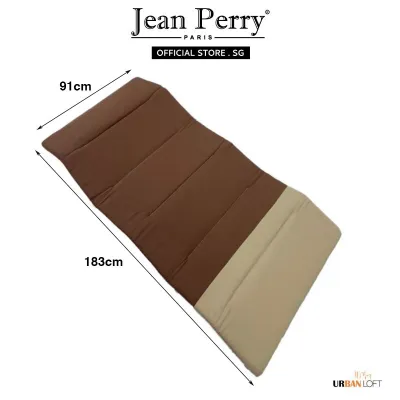
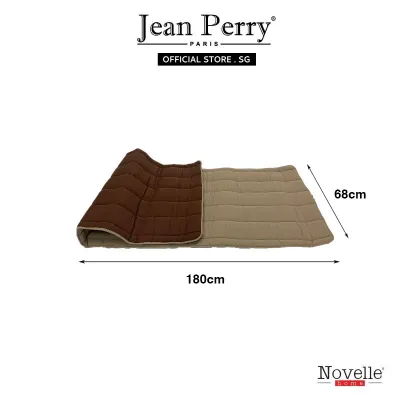
Prices are valid at publication and may change. Please refer to the product page for the latest price.
Back sleepers need a balanced surface that offers both cushioning and robust support to maintain the natural curve of the lumbar region. If the mattress is too soft, your hips will sink too deep, creating a “hammock effect” that flattens the natural curve of your lower back and strains the surrounding muscles. If it is too firm, the mattress will not fill the gap in your lumbar region, leaving your lower back muscles tense throughout the night. A medium to medium-firm feel usually provides this necessary balance, supporting the spine while cushioning the shoulders and buttocks.
Stomach sleepers require a firmer sleeping surface to prevent the midsection from sinking and straining the lower back. Sleeping on your stomach naturally puts pressure on your lumbar spine, pulling it forward. If the mattress comfort layers are too plush, your pelvis and midsection will sink deeply, arching your back uncomfortably and leading to chronic lower back pain. A firm mattress keeps your hips level with your shoulders, reducing strain on your spine and ensuring a more restful sleep.
Combination sleepers face the unique challenge of moving through multiple positions during the night. If you frequently change positions, you need a mattress that allows easy movement without making you feel stuck in a hole. A medium-firm mattress with responsive materials often works best, offering enough surface give for side sleeping while maintaining the support needed for back or stomach intervals. This versatility ensures comfort regardless of how many times you turn.
Adjust for Your Body Weight and Type
Your body weight directly influences how firm a mattress feels to you, making it a crucial secondary factor to consider. A mattress labeled as “medium” might feel incredibly firm to a lighter individual, while a heavier sleeper might find the exact same model far too soft. Adjusting your firmness choice based on your weight ensures the materials compress exactly as intended.

Lighter individuals, typically those weighing under 60 kg, exert less downward force on the mattress. If you fall into this category, you may not compress firmer comfort layers enough to experience their contouring benefits, causing the bed to feel much harder than advertised. A softer or plush mattress is often necessary to provide adequate pressure relief for your shoulders and hips, allowing you to sink comfortably into the comfort layers.
Average-weight individuals, between 60 kg and 90 kg, generally find that standard medium to medium-firm mattresses provide the ideal balance of support and pressure relief. In this weight range, you will compress the comfort layers sufficiently to experience contouring while still receiving solid support from the underlying core.
Heavier individuals, weighing over 90 kg, require firmer support and robust core materials to prevent excessive sinkage. If you are in this weight range, your body will push deeper through the comfort layers and into the support core. A firmer mattress, or one with a thicker comfort layer and a high-density support core, helps distribute your weight evenly and keeps your spine aligned. This prevents you from “bottoming out” against the hard support layers of the bed.
To ensure long-term durability, always check the manufacturer’s weight limits and edge support specifications on the product label. Strong edge support, often achieved through thicker perimeter coils or high-density foam encasement, prevents the sides from sagging when you sit or sleep near the edge. This is particularly important in compact Singaporean bedrooms where bed edges are frequently used for sitting, ensuring the mattress retains its shape and support over years of use.
Decode Novelle Mattress Specifications
When browsing Novelle mattresses, it is important to look past generic industry terms and decode the specific product specifications. Every brand defines its own firmness scale, meaning one manufacturer’s “medium” might feel like another’s “firm.” Reviewing the actual materials used in the construction provides a much more accurate picture of how the bed will perform.
Start by examining the comfort layers, which determine the initial feel of the mattress. Materials like memory foam offer deep contouring and pressure relief, though they tend to retain heat. If you sleep hot in Singapore’s humid climate, look for comfort layers featuring latex or gel-infused foams, which typically offer better temperature regulation and a more responsive, bouncy feel. A plush pillow top can also add surface softness without compromising the underlying support, making it an excellent choice for those who want a luxurious feel.
Next, evaluate the core support system of the mattress. Pocketed springs are excellent for providing targeted support and reducing motion transfer, making them ideal if you share a bed. Because each coil is wrapped individually, they compress independently under your body weight, contouring to your shape while preventing movement from transferring across the bed. High-density foam cores offer a more stable, solid foundation but may feel less bouncy, making them suitable for those who prefer a highly stable, motionless sleep surface.
By understanding how these support systems interact with the comfort layers, you can gauge the overall responsiveness and alignment support of the mattress. A model with a thick latex comfort layer over pocketed springs will feel highly responsive and cool, while a memory foam comfort layer over a high-density foam core will offer a deep, contouring hug with minimal bounce.
Test and Verify Your Choice
Before finalizing your purchase, it is crucial to test and verify that your chosen mattress matches your physical needs. While online descriptions provide a helpful starting point, your personal comfort can only be confirmed through physical interaction or a structured trial period.
If you are testing mattresses in a showroom, avoid the common mistake of simply sitting on the edge or lying on your back for a few seconds. Lie down in your primary sleeping position for at least ten to fifteen minutes. This allows your body heat to interact with the comfort layers and gives you a realistic sense of how the mattress supports your spine and relieves pressure. If possible, bring your own pillow to ensure your neck alignment is correct during the test.
If purchasing online, pay close attention to the terms of any offered sleep trials. A new mattress often requires a mandatory break-in period of several weeks as your body adjusts to the new support system and the materials soften. Always read the fine print regarding return conditions, including whether you will be responsible for restocking fees or transport costs. Knowing these details beforehand prevents unexpected expenses if the mattress does not suit you.
If the online specifications do not clearly indicate the feel or construction of a specific Novelle model, do not hesitate to consult customer service. Asking direct questions about the density of the foam layers or the coil count of the spring system can help you make a more informed decision and avoid the hassle of a return. A reputable brand will gladly provide these details to ensure you select the right model.
Frequently Asked Questions (FAQ)
What if my partner and I have different sleeping positions?
When couples have conflicting firmness needs, finding a compromise is essential for a good night’s sleep. You can explore dual-firmness options or customizable split models if they are available from the brand, allowing each side of the bed to feature a different firmness level. If a single mattress is your only option, prioritize models with excellent motion isolation, such as pocketed springs, to prevent one partner’s movements from disturbing the other. Alternatively, you can use a compatible mattress topper on one side of the bed to adjust the surface feel without altering the core support of the mattress.
Can I adjust the firmness of my Novelle mattress after purchase?
Yes, you can safely adjust the feel of your mattress after purchase without voiding your warranty. Adding a compatible mattress topper is the most effective way to modify the surface feel, allowing you to add plushness to a bed that feels too firm, or a firmer layer to a bed that feels too soft. Additionally, ensure your bed frame or foundation provides adequate, even support as required by the manufacturer. A sagging or uneven base can make a mattress feel softer or less supportive than it actually is. Always review the warranty terms before making any structural modifications or using unauthorized accessories.

Community discussion
Share your experience or ask a question. Comments are reviewed before publication.