
Selecting the ideal Nordic dining bench requires balancing spatial efficiency, structural compatibility, and minimalist aesthetics. To find a bench that complements your dining room, you must evaluate how its proportions align with your existing table, choose a leg style that ensures stability without physical interference, and select materials suited to your daily maintenance routine. This approach ensures your seating remains highly functional while preserving the clean lines and airy feel characteristic of Scandinavian design.
Assess Your Dining Space and Functional Needs
Before browsing designs, precise measurements of your dining area are essential to prevent layout mistakes. Begin by measuring the length of your dining table between its legs, rather than just the tabletop surface, to determine the maximum length a bench can be if you plan to tuck it away. You must also measure the height from the floor to the underside of the table apron to ensure there is sufficient vertical clearance for your thighs when seated. A standard dining setup typically requires at least 25 to 30 centimeters of vertical space between the seat top and the underside of the tabletop to allow comfortable movement.
In compact urban homes, such as apartments where space is at a premium, physical access during delivery is another critical factor. You should measure the height and width of your entry doors, elevator openings, and any tight hallway corners to confirm that a fully assembled bench can pass through safely. If your access routes are narrow, prioritizing flat-packed models that can be assembled directly in the dining room is a practical way to avoid delivery complications.
Products mentioned in this guide
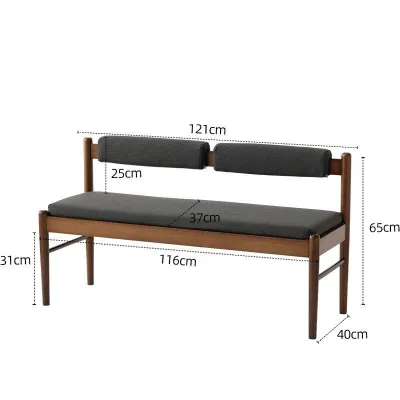
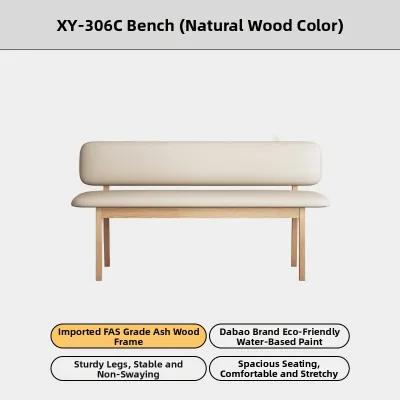
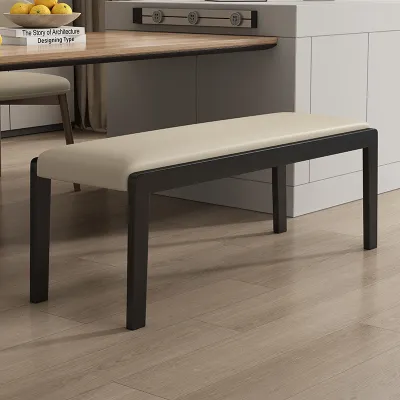
Prices are valid at publication and may change. Please refer to the product page for the latest price.
Additionally, consider how the bench will be used on a daily basis. If you frequently host large gatherings, a bench offers flexible seating that can accommodate more guests than individual chairs. However, if the bench is intended for daily family meals, you must ensure its depth and height provide ergonomic support for routine use. Balancing these capacity needs against your room’s physical footprint helps you decide whether a streamlined, space-saving bench or a more substantial, cushioned model is appropriate.
Evaluate Leg Styles and Base Designs
The leg configuration of a Nordic bench dictates both its structural stability and its visual impact within the room. Classic tapered wooden legs offer a traditional Scandinavian aesthetic, creating an open, airy look that works well in smaller dining spaces. Sled bases and continuous metal frames, on the other hand, distribute weight more evenly across the floor surface, making them highly stable options that resist tipping. When evaluating these designs, look for robust joinery, such as mortise-and-tenon joints or reinforced metal brackets, which prevent the frame from wobbling over time.

For households with active children or pets, stability is a primary safety consideration. Benches with splayed legs—where the legs angle outward slightly beyond the seat footprint—provide a wider base of support and are less likely to tip when someone sits near the edge. However, you must check that these splayed legs do not protrude into main walkways where they could become tripping hazards. Always verify the manufacturer’s specified weight capacity to ensure the bench can safely support multiple adults simultaneously.
You must also analyze how the bench legs interact with your dining table’s base. If your table has thick corner legs, a bench with inset legs or a sled base prevents the two pieces of furniture from knocking against each other. Conversely, if you have a pedestal table, you have more freedom to choose various bench leg styles without worrying about physical interference. Ensuring the base designs align cleanly prevents visual clutter and allows guests to slide in and out of the seating area without bumping their knees.
Decide on Backrest and Seating Comfort
Choosing between a backless bench and one with an integrated backrest is a decision that directly affects both comfort and spatial flow. A backless Nordic bench is highly versatile because it can be tucked completely under the dining table when not in use, keeping walkways clear and making the room feel larger. This is an excellent solution for narrow dining areas or open-plan layouts where you want to maintain unobstructed sightlines across the space.
If your household tends to linger around the table for extended conversations, working, or studying, a bench with a backrest offers essential lumbar support. Benches with low, curved backrests maintain a relatively low profile while providing a comfortable surface to lean against. However, keep in mind that a backrest prevents the bench from being slid fully under the table, meaning you must allocate permanent floor space behind the table to accommodate the bench’s full depth.
To ensure long-term comfort, pay close attention to seat depth, cushion firmness, and edge profiling. A seat depth of 35 to 40 centimeters is standard for dining benches, providing adequate thigh support without cutting off circulation at the back of the knees. If you prefer upholstered options, look for high-density foam cushions that retain their shape over time rather than sinking excessively. For solid wood benches, a gently contoured seat or a rounded front edge—often referred to as a waterfall edge—significantly reduces pressure points and enhances comfort during long meals.
Match Materials and Finishes to Your Aesthetic
The materials you select determine not only the visual warmth of your dining space but also the level of maintenance required to keep the bench looking pristine. Solid hardwoods like oak, ash, and beech are staples of Nordic design, valued for their prominent grain patterns and natural durability. When choosing a wooden bench, examine the finish type carefully; matte lacquers provide a protective barrier against moisture and stains while preserving the natural look of the wood, whereas oiled finishes offer a richer texture but require periodic reapplication to prevent the timber from drying out.
Upholstery adds softness and color to a dining room, but it requires careful consideration in high-traffic eating areas. If you opt for fabric upholstery, look for performance textiles that have been treated for stain resistance, or choose removable, washable covers that simplify cleanup. For a premium look that ages gracefully, genuine leather or high-quality synthetic alternatives can be wiped clean easily with a damp cloth, making them practical choices for families. In humid climates, ensure that any fabric or foam materials are breathable and resistant to moisture buildup to prevent musty odors.
Before making a final decision, always review the manufacturer’s care labels and warranty conditions. Some finishes may require specific cleaning products, while others can be maintained with a simple damp microfiber cloth. Understanding these care requirements beforehand ensures you select a material combination that fits seamlessly into your household’s cleaning routines and lifestyle.
Final Selection Checklist and Next Steps
To finalize your purchase, organize your findings into a clear decision matrix that balances your spatial constraints, comfort preferences, and aesthetic goals. Start by cross-referencing your table’s interior leg span with the total length of the shortlisted benches to guarantee a perfect fit. Next, compare the seat height of the bench with your existing dining chairs to ensure a consistent seating plane around the table, which maintains a balanced look.
Before placing your order with the retailer, verify their return policies, delivery options, and assembly requirements. Some solid wood benches arrive fully assembled and require two people to lift, while others require manual assembly of the legs and frame. Ensure you have the necessary tools on hand, or check if the retailer offers professional installation services upon delivery.
Finally, plan for the protection of your flooring once the bench is in place. Hardwood, laminate, and tiled floors can easily scratch when heavy benches are slid back and forth. Procure high-quality felt pads or rubber floor protectors designed for the specific shape of your bench’s legs. Applying these protectors during assembly or immediately upon delivery will safeguard your floors and ensure smooth, quiet movement for years to come.
Frequently Asked Questions (FAQ)
Can a Nordic dining bench be used outdoors?
Most indoor Nordic dining benches are not designed to withstand outdoor environmental conditions. The solid wood, finishes, and upholstery materials used for indoor furniture are susceptible to warping, cracking, and color fading when exposed to direct sunlight, rain, and fluctuating humidity levels. To prevent permanent structural damage, always check the manufacturer’s specifications for explicit outdoor ratings before placing a bench on a balcony, patio, or garden area.
How do I clean spills on a wooden Nordic bench?
When spills occur on a wooden bench, immediate action is key to preventing stains and water rings. Use a clean, dry microfiber cloth to gently blot the liquid rather than wiping it, which can spread the spill further into the wood grain. Avoid using harsh chemical cleaners, abrasive pads, or ammonia-based products that can strip away the protective lacquer or oil finish. For stubborn residue, consult the product’s specific care manual to identify approved, gentle cleaning agents recommended by the manufacturer.

Community discussion
Share your experience or ask a question. Comments are reviewed before publication.