
Finding the right shoe bench with storage in Singapore requires balancing seating comfort, storage capacity, and space constraints. In many local homes, such as HDB flats and condominiums, the entryway is a high-traffic zone with limited square footage. A well-chosen shoe bench serves as a functional transition point, keeping footwear organized while providing a stable place to sit. To make an informed purchase, you must evaluate your space, compare storage configurations, and verify material durability against Singapore’s humid climate.
Assessing Your Entryway Space and Storage Needs
Before browsing online marketplaces or visiting local furniture showrooms, you must accurately measure your available entryway space. Singaporean homes, particularly newer BTO flats, often feature compact foyers or narrow corridors where every centimeter counts. Start by measuring the maximum width, depth, and height of the area where you plan to place the bench. A standard shoe bench typically ranges from 30cm to 45cm in depth. If your entryway is exceptionally narrow, look for slim-profile designs that measure 30cm or less to ensure the walkway remains clear and safe for daily foot traffic.
In addition to floor space, you must check the clearance zones for doors and other fixtures. Open your main entrance door fully to ensure it does not strike the proposed bench. If your home has a digital lock, a door closer, or a metal gate, factor in their clearance paths as well. Furthermore, many Singaporean apartments have utility meters or DB (distribution board) boxes located near the entrance. Ensure your shoe bench does not block access to these essential utility panels, or choose a lightweight model that can be easily moved when maintenance is required.
Products mentioned in this guide
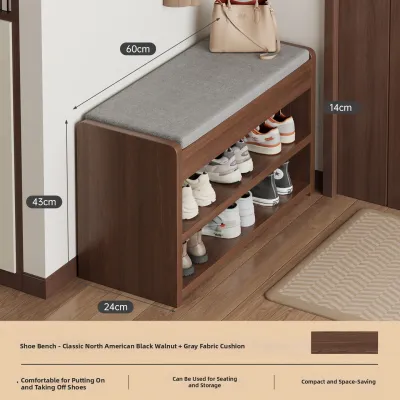
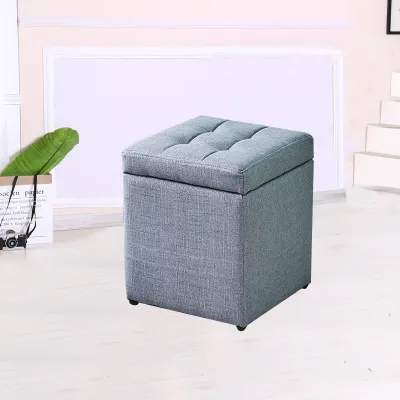
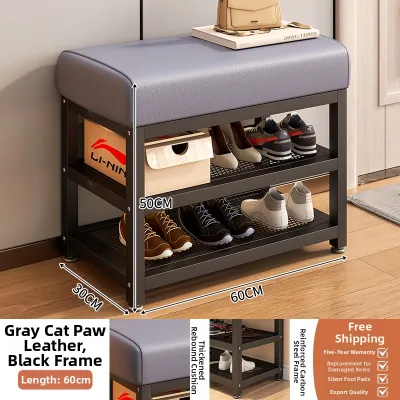
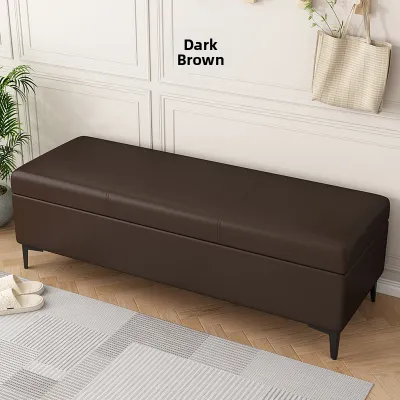
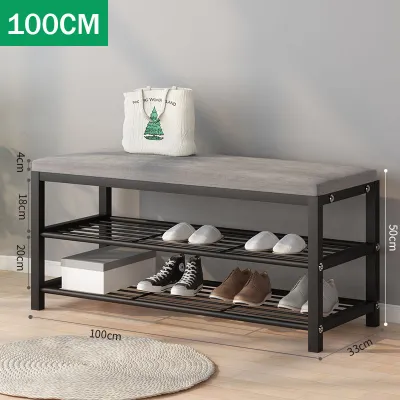
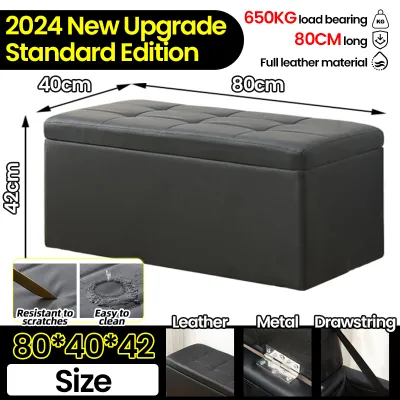
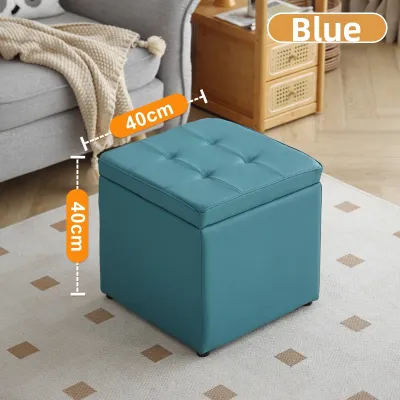
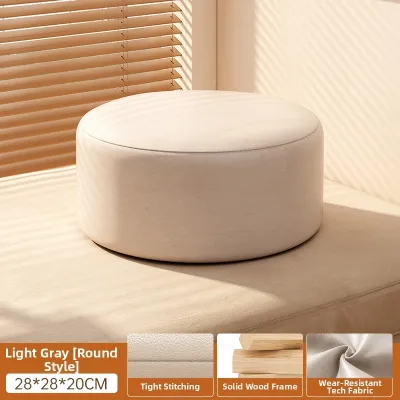
Prices are valid at publication and may change. Please refer to the product page for the latest price.
Estimating your storage needs is the next step in selecting the right bench. Count the number of shoes your household uses on a daily basis and categorize them by type. A single tier of a standard 80cm-wide bench can comfortably hold three to four pairs of adult shoes. If you have a family of four, a two-tier open bench will accommodate up to eight pairs of daily-wear footwear. For larger collections, you may need to combine a shoe bench with a taller, dedicated shoe cabinet.
Do not forget to consider the height of your footwear. Standard shelves inside shoe benches usually offer a vertical clearance of 15cm, which is ideal for flats, sneakers, and sandals. However, if your household frequently wears high heels, ankle boots, or high-top sneakers, these standard compartments may not suffice. Look for benches that feature adjustable internal shelves or a dedicated taller side compartment to accommodate high-profile shoes without bending or damaging them.
Finally, identify any additional storage requirements beyond footwear. Entryways are natural drop zones for everyday items such as keys, access cards, umbrellas, shoe horns, and mail. Selecting a shoe bench with integrated drawers, a lift-top seat compartment, or side pockets can help keep these small items organized and out of sight, preventing visual clutter right at your doorstep.
Evaluating Storage Configurations and Seating Comfort
Shoe benches come in several storage configurations, each offering distinct advantages depending on your daily routine and aesthetic preferences. Open shelving is the most common and accessible option. It allows you to slide shoes in and out quickly without opening doors, making it highly convenient for busy mornings. The open design also promotes natural airflow, which is essential for drying out damp shoes. However, the primary drawback is that your footwear remains fully visible, which can look untidy if shoes are not lined up neatly.

For a cleaner, more streamlined look, consider closed cabinets with doors or pull-out drawers. These designs conceal your footwear entirely, creating a minimalist and organized appearance in your foyer. However, closed storage requires sufficient clearance space in front of the bench. You must ensure there is at least 40cm to 50cm of unobstructed space in front of the unit to allow cabinet doors or drawers to open fully without hitting your legs or nearby walls.
Another popular configuration is the flip-top compartment, where the seat cushion itself acts as a hinged lid. This design is excellent for storing items you do not need to access constantly, such as shoe polish kits, spare laces, or seasonal footwear. The main limitation is accessibility; you must stand up and remove any loose items, bags, or decorative cushions from the seat before you can lift the lid to access the storage space underneath.
Seating comfort is just as important as storage capacity. Since you will sit on the bench daily to put on and take off your shoes, the cushion quality matters. Look for benches equipped with high-density foam cushions that are at least 5cm thick. Low-density foam tends to flatten quickly over time, reducing comfort and support. The upholstery material should also be carefully evaluated. Synthetic leather, such as PU or PVC, is highly practical for entryways because it is water-resistant, durable, and easy to wipe clean with a damp cloth. Fabric upholstery offers a softer, warmer aesthetic but is more susceptible to staining and moisture; if you prefer fabric, look for removable and machine-washable covers.
Safety must never be overlooked when evaluating seating. Always check the manufacturer-stated weight capacity of the bench before purchasing. A reliable single-seater shoe bench should safely support a static weight of at least 100kg, while double-seater models should support 150kg or more. Inspect the structural joints of the bench; models reinforced with metal brackets, corner blocks, or heavy-duty dowels offer significantly better stability and longevity than those held together solely by basic screws and glue.
Checking Material Durability and Maintenance Requirements
The materials used to construct your shoe bench directly impact its lifespan, especially in Singapore’s hot and humid climate. Solid wood, such as teak, oak, or rubberwood, is highly prized for its natural beauty and structural strength. Teak is particularly well-suited for local conditions because its natural oils make it highly resistant to moisture and pests. However, solid wood furniture generally carries a higher price tag and requires periodic maintenance, such as oiling or waxing, to keep the wood from drying out or losing its luster.
Engineered wood, including medium-density fibreboard (MDF), particleboard, and plywood, is a popular and budget-friendly alternative. When shopping for engineered wood benches, pay close attention to the quality of the surface finish and edge banding. Unsealed edges can easily absorb moisture from the air or from wet shoes, leading to swelling, warping, and peeling of the laminate. Opt for benches finished with high-quality melamine or wood veneer laminates, which provide a protective barrier against humidity.
Metal frames, often made of steel or iron, are excellent for industrial or modern minimalist designs. Metal offers exceptional weight capacity and structural rigidity. However, in humid environments, untreated metal is prone to rust and corrosion. Ensure that any metal components are powder-coated or treated with an anti-rust finish. This is especially important for the lower shelves of the bench, which will frequently come into contact with damp shoe soles.
Maintaining your shoe bench properly will extend its service life. Establish a routine of wiping down the frame with a dry or slightly damp microfiber cloth to remove dust and dirt. Avoid using harsh chemical cleaners or abrasive pads, as these can scratch the protective finish or strip the wood lacquer. For synthetic leather cushions, a simple wipe-down with a mild soap solution is usually sufficient. If your bench features a fabric cushion, consider applying a fabric protector spray to repel liquids and prevent stains from setting in.
Matching Design Styles to Your Home Interior
A shoe bench should not only be functional but also complement your home’s interior design. The entryway sets the tone for the rest of your living space, making style coordination essential. Modern minimalist benches often feature clean lines, handleless drawers, and neutral color palettes such as white, grey, or light wood tones. This style is highly effective in making small entryways feel bright, open, and uncluttered.
If your home features an industrial aesthetic, look for benches that combine dark metal frames with rustic, distressed wood finishes. This style is highly practical for busy entryways because the textured surfaces and dark colors are excellent at hiding minor scuffs, dirt, and wear. For a warmer, more inviting look, Scandinavian or rustic designs utilizing light oak, rubberwood, or woven rattan panels can create a cozy and organic atmosphere right at your doorstep.
When selecting a bench, coordinate its finishes and hardware with existing elements in your home. For instance, match the metal legs or drawer handles of the bench with your main door handle, light fixtures, or nearby cabinets. If you already have a large shoe cabinet in the foyer, try to select a bench with a matching wood grain or laminate color to create a cohesive, built-in look.
For homes with vertical wall space to spare, consider multi-functional benches that incorporate additional features. Some models come with integrated coat racks, hanging hooks, or overhead shelves. These “hall tree” designs are incredibly efficient for hanging bags, hats, umbrellas, and light jackets. However, ensure that the vertical structure does not overwhelm your entryway visually, and always verify that the unit is stable enough to support hung items without tipping forward.
Pre-Purchase Verification and Assembly Considerations
Before finalizing your purchase, there are several practical logistics to verify. First, confirm the delivery dimensions of the product. If the bench is delivered fully assembled, ensure that the packaged box can easily fit through your apartment’s lift doors, narrow corridors, and front doorway. This is particularly crucial for solid wood benches, which cannot be disassembled and are often heavy and awkward to maneuver.
Next, review the assembly requirements. Many budget-friendly shoe benches purchased online are delivered flat-packed and require self-assembly. Check the product listing to see if clear instructions and necessary tools, such as Allen keys, are included. If you do not own basic tools like a screwdriver or hammer, or if you prefer not to spend hours assembling furniture, look for retailers that offer professional installation services. In Singapore, this service typically costs between S$20 and S$50, which can be a worthwhile investment for peace of mind and proper structural assembly.
Finally, prioritize safety by checking for stability and anchoring requirements. If you choose a tall shoe bench, a model with an integrated coat rack, or a very narrow unit, it may be top-heavy and prone to tipping over when loaded with heavy bags or when someone sits down quickly. Check if the manufacturer includes an anti-tip kit or wall-anchoring brackets. Securing the bench to your entryway wall is a highly recommended safety measure, especially in active households.
Frequently Asked Questions (FAQ)
How do I prevent odors in a closed shoe storage bench?
Closed shoe storage compartments can easily trap moisture, sweat, and bacteria, leading to unpleasant odors over time. To prevent this, never place damp or wet shoes directly into a closed bench; always allow them to air dry completely on an open rack or floor space first. You can also place moisture-absorbing packets, activated charcoal bags, or cedar blocks inside the compartments to absorb excess humidity and neutralize odors naturally. When shopping, look for benches that feature built-in ventilation holes, mesh back panels, or slatted doors to promote continuous airflow.
Can a shoe bench support an adult's weight safely?
Yes, most well-constructed shoe benches are designed to support an adult’s weight safely, but you must verify the manufacturer’s specified load capacity before purchasing. Look for a static weight rating of at least 100kg for single-seat benches and 150kg or more for double-seat models. Inspect the structural design of the bench; units with solid wood frames, thick metal legs, or reinforced center support beams offer the highest stability. Avoid sitting on benches made of thin, unreinforced particleboard, and ensure all assembly screws are tightened periodically to maintain structural integrity.

Community discussion
Share your experience or ask a question. Comments are reviewed before publication.