
Finding the right shoe bench with storage in Singapore requires balancing seating comfort, storage capacity, and the spatial constraints of local entryways. Whether you live in a cozy HDB flat or a condominium, the entryway is a high-traffic zone that sets the tone for your entire home. A well-chosen storage bench keeps footwear organized, provides a stable place to sit while putting on shoes, and prevents clutter from spilling into common corridors. To make an informed purchase, you must evaluate your household’s specific storage needs, measure your available space precisely, and verify material durability against Singapore’s humid climate. By focusing on structural integrity, ventilation, and smart spatial planning, you can select a multi-functional piece of furniture that enhances both the utility and aesthetic of your foyer.
Key Factors to Evaluate Before Buying a Shoe Bench with Storage
Before browsing online marketplaces or visiting local furniture showrooms, you must define how the bench will be used daily. If your household includes young children, pregnant family members, or elderly relatives, high-frequency seating comfort and stability are paramount. In contrast, if the bench is primarily a temporary perch for placing grocery bags or mail while you unlock the door, a simpler, firmer surface may suffice. Understanding these primary use cases helps you decide whether to prioritize plush cushioning or flat, hard-wearing storage surfaces.
The trade-off between seating comfort and storage efficiency is a critical decision point. Cushioned tops, often upholstered in fabric, linen, or polyurethane (PU) leather, offer a comfortable place to sit but require more upkeep. Fabric cushions can trap dust, pet hair, and moisture from humid air, while low-grade PU leather may crack or peel over time when exposed to friction and sweat. On the other hand, a hard wooden, metal, or laminate top is exceptionally durable, easy to wipe clean, and can double as an extra shelf for parcels. However, it lacks the soft comfort of upholstery, which might make it less appealing if you spend more than a few seconds sitting down.
Products mentioned in this guide
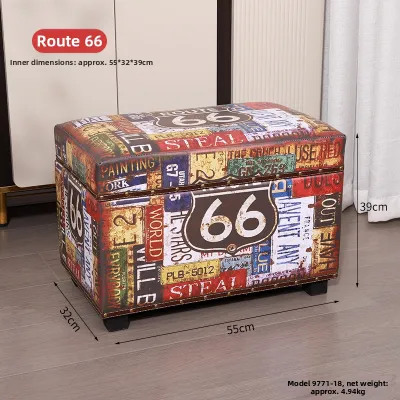
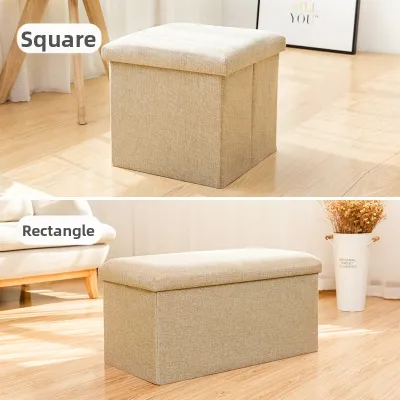
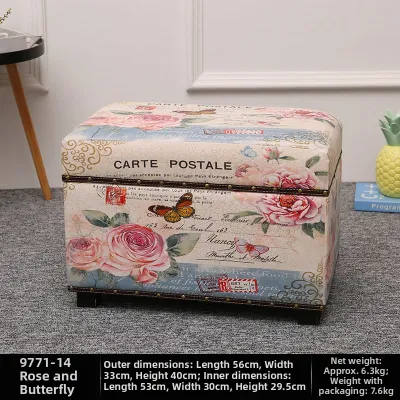
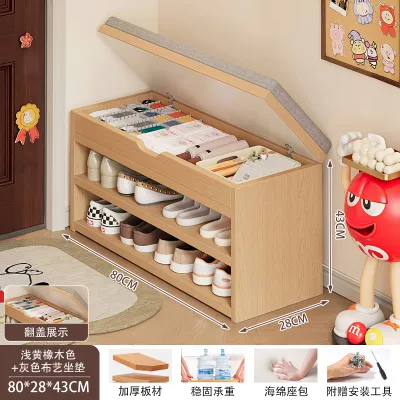
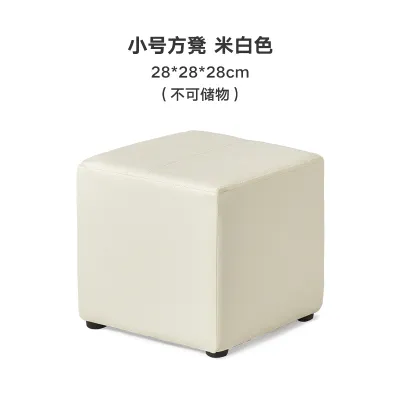
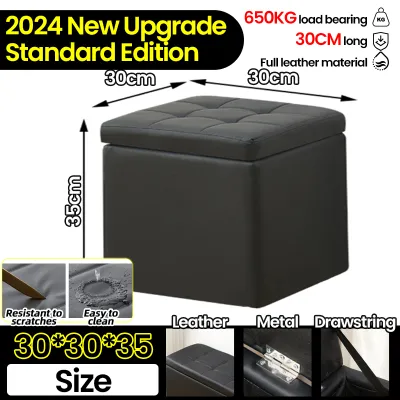
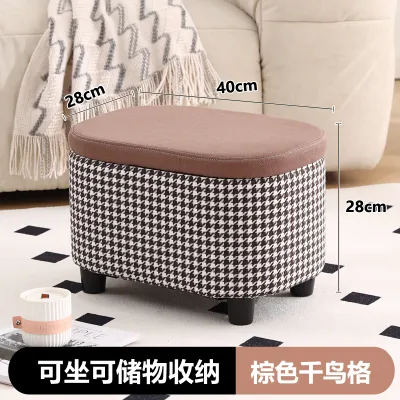
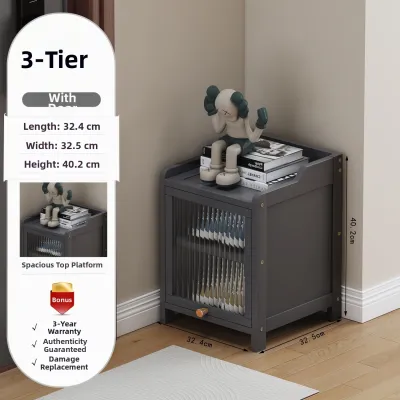
Prices are valid at publication and may change. Please refer to the product page for the latest price.
Budget and expected lifespan are closely linked to the materials and construction methods used. Entry-level shoe benches, often priced under S$50, typically feature lightweight engineered wood, plastic connectors, or thin metal tubes. While budget-friendly, these options may wobble under heavy loads or degrade quickly in high-traffic entryways. Mid-range benches, ranging from S$100 to S$250, generally offer sturdier frames, better-quality laminates, and more reliable hardware. Premium options, costing S$300 or more, often feature solid timber, rust-resistant metal frames, or high-density foam cushions designed to withstand years of daily use without sagging or loosening.
Matching Storage Configurations to Your Footwear Collection
Your footwear collection should dictate the internal structure of your shoe bench. Open shelving is highly popular because it allows for quick, grab-and-go access to your daily shoes. More importantly, open designs promote excellent air circulation, which is vital in Singapore’s humid climate. Allowing damp or sweaty shoes to air out prevents the growth of mold, mildew, and unpleasant odors. The main drawback of open shelving is visual clutter; your shoes remain fully visible to anyone entering your home, which can disrupt a minimalist interior design.

Closed cabinet doors offer a neat, streamlined appearance by hiding shoes from sight. This configuration is ideal for maintaining a clean, uncluttered entryway. However, closed cabinets can trap moisture and odors if they lack proper ventilation. When choosing a closed cabinet bench, look for designs that incorporate louvered doors, mesh panels, or ventilation cutouts at the back to facilitate airflow. Additionally, pull-out drawer designs are excellent for storing small entryway essentials like socks, shoe horns, keys, or cleaning kits, but they reduce the overall volume available for shoe storage.
Adjustable shelf heights are a must-have feature if your household wears a variety of shoe styles. Standard flat shelves are usually spaced to accommodate flat shoes, sandals, and low-top sneakers. If you need to store high heels, ankle boots, or high-top athletic shoes, fixed shelves will severely limit your storage capacity. Look for benches with pre-drilled holes and adjustable support pegs, allowing you to customize the vertical clearance of each shelf. Alternatively, slanted shelves maximize depth efficiency, allowing a shallower bench to accommodate larger shoe sizes by tilting the shoes downward, though you must ensure the shelves have a lip or non-slip surface to prevent shoes from sliding off.
Assessing Space, Dimensions, and Entryway Clearance
Entryways in Singapore residential properties, particularly HDB flats, are often compact and require precise spatial planning. Before purchasing a shoe bench, measure the width, depth, and height of your designated foyer space. You must ensure that the bench does not obstruct the natural walking path or block access to adjacent rooms. A good rule of thumb is to maintain at least 60cm to 80cm of clear clearance in front of the bench so that you can comfortably stand, sit, bend down, or open cabinet doors without feeling restricted.
Door swings and gate clearances are frequently overlooked during the planning phase. Map out the exact swing radius of your main wooden door, digital lock handle, and outer metal gate. A shoe bench that is too deep can prevent the main door from opening fully, creating a safety hazard and making it difficult to move large items in and out of the home. Additionally, ensure the bench does not block access to electrical DB boxes, water meters, or light switches commonly located near Singapore entryways.
Logistical constraints must also be verified before finalizing your order. Many apartment buildings have strict lift size limits. Compare the packaged or fully assembled dimensions of the shoe bench against the height and depth of your building’s elevator doors, staircase clearances, and your own front door frame. If you purchase a pre-assembled solid wood bench, ensuring it can physically fit through these passages is crucial to avoid costly return fees or delivery failures. Visually, a bulky, dark-colored bench can overwhelm a small foyer; opting for a model with raised legs or a lighter color palette can make a compact entryway feel more open and airy.
Material, Build Quality, and Weight Capacity Checks
The durability of your shoe bench depends heavily on its materials and construction quality. Solid wood, such as rubberwood, oak, or teak, offers superior strength and a classic aesthetic. However, solid wood must be properly sealed with a moisture-resistant finish to prevent warping or cracking in Singapore’s humid environment. Engineered wood, including Medium-Density Fibreglass (MDF) and particle board, is a common and cost-effective alternative. When evaluating engineered wood, inspect the edges closely; high-quality melamine or PVC edge banding is essential to prevent moisture from penetrating the core, which causes the material to swell and crumble.
Metal frames, typically made of steel or iron, provide excellent structural stability and a modern, industrial look. To prevent rust in humid conditions, ensure the metal is treated with a durable powder-coated finish. Regardless of the material, inspect the joint connections. Benches assembled with sturdy metal-to-metal bolts, dowels, or reinforced corner brackets are far more stable than those held together solely by cheap wood screws or plastic brackets.
Weight capacity is a critical safety factor that must not be ignored. Because a shoe bench is designed for sitting, it must safely support the weight of an adult—and sometimes two adults simultaneously. Look for manufacturer specifications that clearly state the maximum weight capacity. A reliable single-seater bench should support at least 100kg, while a double-seater should be rated for 150kg or more. Avoid products that do not provide a clear weight rating, as they may pose a collapse risk over time. Furthermore, check that the surface treatment is scratch-resistant to withstand daily wear from keys, bags, and shoe soles.
Assembly, Maintenance, and Long-Term Care
Understanding the assembly requirements of your chosen shoe bench can save you significant time and frustration. Many online purchases arrive flat-packed, requiring self-assembly with basic household tools. Carefully read the product description to see if clear instructions and all necessary hardware are included. If you are uncomfortable with DIY assembly, consider purchasing from retailers that offer professional installation services, or budget for a third-party handyman.
Wall anchoring is an important safety consideration, particularly for tall, narrow, or top-heavy shoe benches. If you have young children or pets who might climb on the furniture, the risk of a tip-over accident increases. Check if the manufacturer includes an anti-tip kit, which typically consists of wall brackets and straps. Securing the bench to a solid concrete or brick wall provides peace of mind and ensures the unit remains completely stable under all usage conditions.
Routine maintenance is essential to keep your shoe bench looking and functioning its best. For fabric-cushioned benches, vacuum the upholstery regularly using a soft brush attachment to remove dust and allergens. If the cushion has a removable cover, follow the manufacturer’s washing instructions carefully. For wooden or laminate surfaces, wipe them down weekly with a soft, slightly damp microfiber cloth to remove dust and dirt. Avoid using harsh chemical cleaners, abrasive pads, or excessive water, which can damage the protective finish.
You should also establish clear stop-use conditions to prevent accidents. Periodically inspect the bench for any signs of structural wear. If you notice the frame wobbling, joints loosening, shelves sagging under the weight of shoes, or unusual creaking sounds when you sit down, stop using the bench immediately. Tighten any loose screws or bolts, and if the structural integrity is compromised or deformed, contact the manufacturer or replace the unit to ensure household safety.
Building Your Conditional Shortlist
To streamline your shopping process, you should translate your evaluation criteria into a structured decision matrix. Start by separating your “must-have” requirements from “nice-to-have” features. For example, a must-have might be a maximum depth of 32cm to clear your door swing, a minimum weight capacity of 110kg, and open shelving for ventilation. Nice-to-have features might include a specific cushion color, a drawer for keys, or a particular wood finish. This clear distinction prevents you from being distracted by attractive designs that do not meet your practical needs.
When searching on ecommerce platforms or online marketplaces, utilize specific search filters to narrow down the vast array of options. Filter by precise dimension ranges, material types (such as solid wood or metal), and storage configurations (such as adjustable shelves or closed cabinets). Using targeted search terms like “slim shoe bench with storage” or “ventilated shoe cabinet bench” can help you bypass irrelevant listings and find suitable candidates much faster.
Finally, analyze user reviews critically, focusing on negative feedback to identify potential red flags. Look for recurring complaints regarding shelf sagging, misaligned pre-drilled holes, or missing assembly hardware. Pay close attention to mentions of strong chemical odors or off-gassing, which often indicate the use of low-grade adhesives or formaldehyde-heavy engineered wood. By filtering out products with consistent quality issues, you can build a reliable shortlist of high-performing shoe benches that fit your Singapore home perfectly.
Frequently Asked Questions (FAQ)
How do I prevent a shoe bench from tipping over?
To prevent a shoe bench from tipping over, always check its center of gravity before purchasing; wider, lower-profile designs are naturally more stable. If you select a narrow or tall bench, secure it to the wall using an anti-tip kit with brackets and wall plugs suitable for your wall type (such as concrete or drywall). Additionally, place heavier shoes on the bottom shelves to keep the center of gravity low, and apply anti-slip rubber pads to the feet of the bench to prevent it from sliding on smooth tiled floors.
Can a shoe bench with storage be used in humid areas?
Yes, but you must select materials specifically rated for high-humidity environments. Avoid untreated engineered wood (like standard MDF or particle board) and rust-prone metals, as they will quickly warp, swell, or corrode when exposed to moisture. Instead, look for benches made of solid teak, treated rubberwood, rust-resistant powder-coated steel, or high-quality laminates with sealed edge banding. Ensure the storage area has excellent ventilation, such as open wire shelves or louvered doors, to prevent moisture and mold from accumulating on your footwear.
Community discussion
Share your experience or ask a question. Comments are reviewed before publication.