
Choosing the right metal bar stool style for your home décor requires balancing visual weight, functional dimensions, and the existing design language of your space. A metal stool is not merely a functional seat; its finish, silhouette, and material pairings can either seamlessly anchor a kitchen island or create a jarring visual clash. By evaluating your room’s dominant materials, measuring your counter clearance, and selecting a finish that complements your hardware, you can find a durable seating solution that enhances both the utility and aesthetic of your home.
Assessing Your Existing Interior Design
Before browsing online marketplaces or visiting local showrooms, take a step back to analyze the design language of your room. The dominant color palette of your kitchen or bar area serves as the foundation for your stool selection. If your space features warm undertones, such as oak cabinetry or brass light fixtures, a stark chrome or cold steel stool might feel out of place. Conversely, cool-toned spaces with marble countertops and gray cabinetry often pair beautifully with brushed steel, matte black, or polished chrome finishes.
Next, catalog the existing materials in the immediate vicinity. Take note of whether your space is dominated by natural wood, engineered stone, glass, or upholstered fabrics. Metal stools rarely exist in a vacuum; they often feature wood seats, leather cushions, or plastic backs. Introducing a metal stool with a warm timber seat can bridge the gap in a wood-heavy kitchen, while an all-metal design might feel too sterile.
Products mentioned in this guide
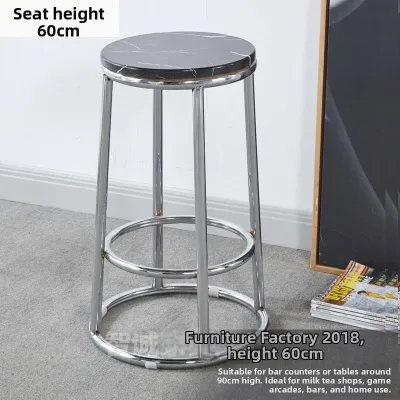
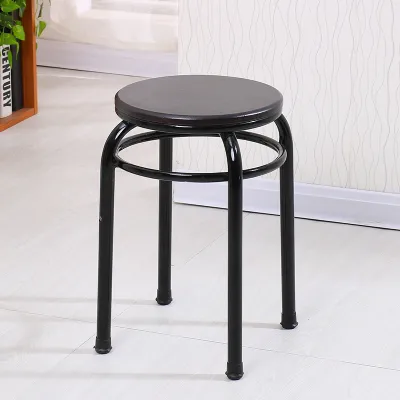
Prices are valid at publication and may change. Please refer to the product page for the latest price.
Visual weight is another critical factor that dictates how a stool behaves in a room. A heavy, solid metal stool with a wide backrest and thick legs can make a small kitchen island look cramped and cluttered. On the other hand, a wireframe metal stool with a slim profile allows light to pass through, preserving an open, airy feel in compact open-plan layouts. Assess how much physical and visual space you can afford to allocate to seating without disrupting the flow of traffic.
Identify the primary functional zone where the stools will reside. A high-traffic kitchen island where family members gather for quick breakfasts demands a different level of comfort and durability than a dedicated home bar used primarily for evening entertainment. For daily dining, prioritize stools with supportive backrests and easy-to-clean surfaces. For a casual bar setup, low-profile, backless stools that tuck completely under the counter might be more appropriate to maximize floor space.
Many modern homes do not adhere strictly to a single design style, often blending elements of different eras or philosophies. If your home features a transitional style—such as a modern kitchen with rustic open shelving—look for metal stools that reflect this duality. A stool featuring a sleek, powder-coated black frame paired with a distressed wooden seat can effortlessly tie these contrasting design elements together.
Matching Metal Stool Styles to Popular Decor Themes
Metal is an incredibly versatile material that can be shaped, finished, and colored to match almost any interior design theme. The key to successful integration lies in understanding how different metal finishes interact with light and surrounding textures. Matte and brushed finishes tend to absorb light, offering a subtle, understated look that blends into the background. Polished and painted finishes reflect light, drawing the eye and acting as statement pieces within the room.

When selecting a metal stool, consider how its finish aligns with your overall theme. A high-gloss, brightly painted metal stool can inject a playful, retro vibe into a casual dining space, while a brushed brass finish adds a touch of understated luxury to a contemporary setting. Mixing styles is entirely possible, but it requires a deliberate approach to avoid visual chaos. A reliable strategy is to keep the frame material consistent while varying the seat textures, or choosing a single accent color to unify disparate stool designs.
Industrial and Vintage Metal Stools
Industrial and vintage metal stools are defined by their rugged construction, utilitarian roots, and celebration of raw materials. Key design markers of this style include exposed hardware, visible weld marks, distressed patinas, and heavy-duty adjustment mechanisms like threaded steel rods for height customization. These stools often incorporate reclaimed wood, distressed leather, or molded steel seats that showcase a weathered, time-worn character.
This aesthetic is highly suited for loft apartments, rustic kitchens, and eclectic dining spaces where texture and history take center stage. The raw, unpolished look of an industrial metal stool complements exposed brick walls, concrete countertops, and open wooden shelving. The inherent imperfections in the metal and wood components mean that these stools actually benefit from a slightly worn appearance, making them excellent choices for high-activity households.
However, maintaining untreated or intentionally aged metal finishes requires specific care to prevent unwanted deterioration. Raw steel or iron components that lack a protective clear coat are susceptible to rust, especially in humid environments. When choosing vintage-style stools, verify with the manufacturer whether the metal has been sealed with a rust-resistant lacquer. Regular inspections for signs of oxidation and wiping down the frames with a dry microfiber cloth will help preserve their character without compromising structural integrity.
Minimalist and Modern Metal Stools
Minimalist and modern metal stools prioritize simplicity, clean lines, and geometric precision. Unlike their industrial counterparts, these stools feature hidden welds, seamless joints, and uniform finishes that emphasize form and negative space. Common design elements include slender wireframe legs, cantilevered bases, and monochromatic powder coatings in matte black, crisp white, or muted architectural tones.
These streamlined designs are ideal for Scandinavian, contemporary, or ultra-modern interiors where clutter is minimized and functionality is paramount. The slim profiles of minimalist metal stools allow them to blend seamlessly into open-plan living areas, ensuring that the sightlines across a kitchen island remain unobstructed. By utilizing negative space, these stools provide comfortable seating without adding visual bulk to the room.
When selecting modern metal stools, pay close attention to the quality of the powder coating. A high-quality, electrostatically applied powder finish offers a smooth, durable barrier that resists chipping, scratching, and fading. This is particularly important for minimalist designs, as any surface scratch or blemish is highly visible on a uniform, solid-colored frame. Look for matte or satin finishes that resist fingerprint smudges to keep your seating looking pristine with minimal daily maintenance.
Key Dimensions and Ergonomics to Check Before Buying
No matter how stylish a metal stool is, it will quickly become a source of frustration if it does not fit your counter or provide comfortable seating. The first and most critical step is measuring your counter or bar height. Standard kitchen counters typically stand around 90 centimeters high, requiring a counter-height stool with a seat height of approximately 60 to 65 centimeters. Bar counters, which often stand around 100 to 105 centimeters high, require bar-height stools with a seat height of 75 to 80 centimeters. Always calculate a seat-to-floor clearance that leaves roughly 25 to 30 centimeters of space between the top of the seat cushion and the underside of the counter to allow comfortable legroom.
Beyond height, you must evaluate the overall footprint of the stool and the physical space available along your counter. Measure the width of the stool at its widest point—which is often the base rather than the seat—and ensure you leave at least 15 to 20 centimeters of space between each stool to allow users to turn, stand up, and sit down comfortably. If you select stools with a swivel mechanism, factor in the swivel radius to ensure the seats do not collide with adjacent walls, cabinetry, or other stools when rotated.
Backrest height and counter overhang also play a significant role in spatial planning. If you have a shallow counter overhang, stools with high, fixed backrests cannot be tucked fully underneath the counter when not in use, which can obstruct walkways in narrow kitchens. In such cases, low-profile backrests or completely backless stools are a more practical choice.
Ergonomics should never be sacrificed for style, especially if the stools are intended for extended use. Look for metal stools that feature integrated footrests positioned at a comfortable height to relieve pressure on the back of the thighs. Seat contouring is another essential feature; a flat metal plate can quickly become uncomfortable, whereas a gently curved seat pan or a padded cushion distributes body weight more evenly. If you plan to use the stools for working from home or long dining sessions, prioritize designs that offer supportive backrests and upholstered seating surfaces.
Evaluating Build Quality and Finishes
To ensure your metal stools remain stable and safe over years of daily use, you must carefully inspect their construction details. Begin by examining the welding joints where the metal tubes or bars meet. High-quality welds should be smooth, continuous, and free of pinholes, cracks, or rough splatter. Weak or uneven welding can lead to structural failure under load, causing the stool to wobble or bend over time.
The thickness of the metal tubing, often referred to as the gauge, directly influences the stool’s load capacity and stability. Thicker steel or aluminum frames feel solid and grounded, whereas thin-walled metal tubes can feel flimsy and flex under weight. When testing a stool, check for any lateral movement or swaying when weight is applied. A stable base with well-engineered cross-bracing is essential for preventing tipping, particularly on high bar stools.
The type of metal coating is your primary defense against wear, moisture, and corrosion. In humid climates, unprotected metal can degrade rapidly. Verify whether the manufacturer specifies a rust-resistant treatment, such as powder coating, anodization, or a protective clear lacquer. For outdoor or semi-outdoor spaces, such as balconies or covered patios, ensure the metal is specifically rated for outdoor use, such as marine-grade stainless steel or powder-coated aluminum.
Finally, pay close attention to the contact points between the metal stool and your floor. Metal legs can easily gouge, scratch, or scrape hard flooring surfaces like vinyl, engineered wood, or polished concrete, which are highly popular in Singaporean homes. Ensure the stools come equipped with high-quality floor protectors, such as rubber glides, plastic caps, or felt pads. These protectors not only shield your floors from damage but also dampen the scraping noise when stools are moved.
Frequently Asked Questions (FAQ)
How do I prevent metal bar stools from scratching my floors?
To protect your hard flooring from scratches, always check if the metal stools come with pre-installed floor glides or rubber caps. If the built-in protectors are made of hard plastic, you can easily apply aftermarket heavy-duty felt pads to the bottom of each leg to cushion the contact point. For stools with tubular metal legs, rubber or silicone leg caps that slip over the ends offer excellent, long-lasting protection. Regularly inspect these protectors for wear and tear, as accumulated grit and dust trapped beneath a worn pad can act like sandpaper on your floors. Replacing worn felt pads or glides promptly will keep your floors pristine.
Can I mix different metal finishes in the same room?
Yes, mixing metal finishes can add depth and character to a room, provided it is done with a clear design strategy. A helpful rule of thumb is to select one dominant metal finish—such as matte black—to cover about seventy percent of the metal surfaces in the space, including your stool frames. Then, introduce a secondary accent metal, like brushed brass or polished chrome, through light fixtures, cabinet handles, or decorative accessories. To maintain visual harmony, ensure that the mixed finishes share a common characteristic, such as a matte texture, or repeat the accent metal in at least two or three different areas of the room so it feels intentional rather than accidental.

Community discussion
Share your experience or ask a question. Comments are reviewed before publication.