
Working from home in Singapore presents a unique set of challenges, particularly when it comes to maintaining comfort and focus throughout the day. With the tropical climate bringing high humidity and warm temperatures, a standard upholstered chair can quickly become uncomfortable, trapping heat and moisture against your body. This is why mesh office chairs have become the preferred choice for home offices across the island. A high-quality mesh backrest offers exceptional breathability, allowing constant airflow to keep you cool even during intense working sessions.
However, selecting the right mesh chair involves much more than simply choosing a breathable fabric. The ideal chair is not a one-size-fits-all solution; it must be carefully matched to your individual body metrics, daily work habits, and the physical constraints of your workspace. To make a smart investment, you need to focus on three primary decision factors: the adjustability range of the chair, the design of its lumbar support mechanism, and the depth of the seat pan. By understanding these core elements, you can select a chair that supports your posture, enhances your productivity, and fits seamlessly into your home.
Core Selection Criteria for Mesh Office Chairs
When evaluating mesh office chairs, the quality of the mesh material itself is the first critical factor to consider. Not all mesh is created equal; lower-end chairs often use basic single-layer polyester mesh, which tends to stretch, sag, and lose its tension within a few months of daily use. When the mesh sags, your body sinks too deep into the frame, leading to uncomfortable pressure points against the hard plastic or metal borders. In contrast, premium chairs feature reinforced elastomeric weaves or polyester-nylon blends. These advanced materials are designed to stretch dynamically to distribute your weight and then snap back to their original shape. When shopping, always check the manufacturer’s specifications for weight capacity and look for indications of long-term sag resistance, such as commercial-grade durability certifications.
Products mentioned in this guide
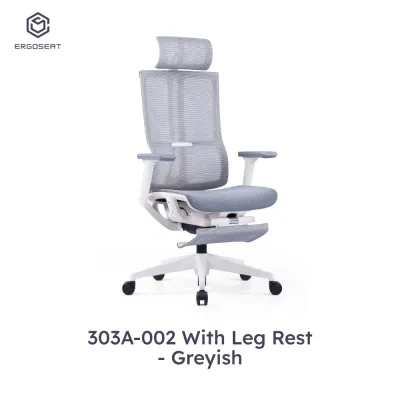
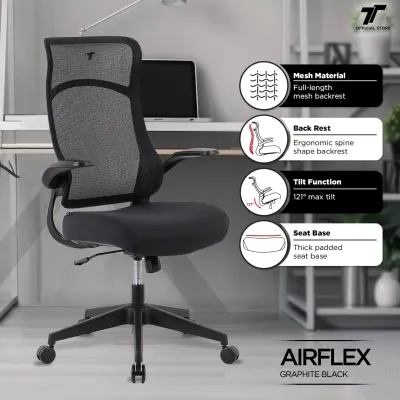
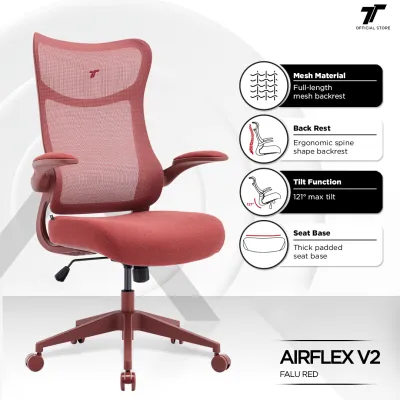
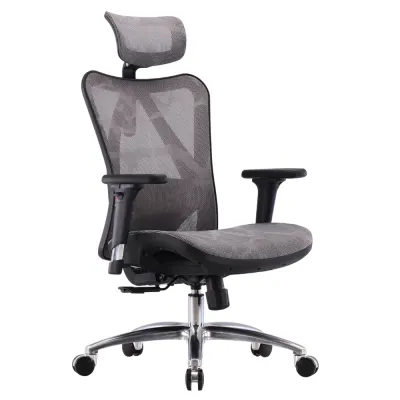
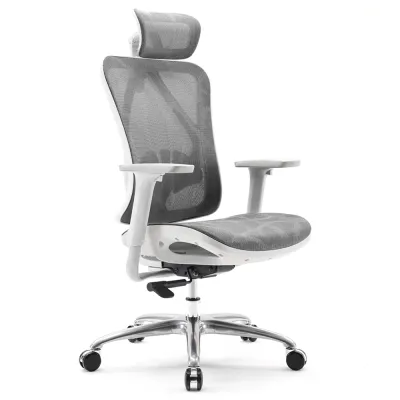
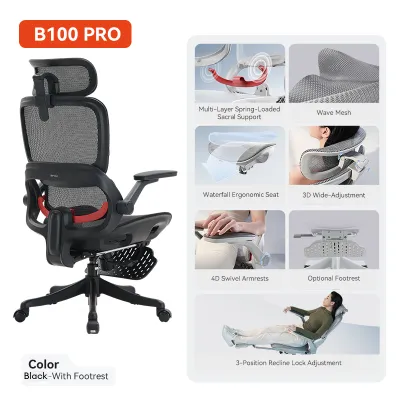

Prices are valid at publication and may change. Please refer to the product page for the latest price.
The lumbar support system is another non-negotiable feature for maintaining spinal health. Your lower spine has a natural inward curve that needs consistent support to prevent slouching and subsequent lower back pain. Fixed lumbar pads, which are permanently set in one position, rarely provide adequate support because they do not account for variations in torso length. Instead, prioritize chairs with adjustable lumbar support mechanisms. These systems allow you to adjust the height of the support to align perfectly with your lumbar curve, and some even allow you to adjust the depth to control how firmly the pad presses against your back. A well-positioned lumbar support should feel firm yet comfortable, keeping your spine in a neutral alignment without forcing an unnatural arch.
An extensive adjustability range is what separates a basic office chair from a truly ergonomic workspace solution. Essential adjustments include seat height, armrest movement, tilt tension, and synchro-tilt mechanisms. Seat height adjustment is crucial for ensuring your feet rest flat on the floor with your knees bent at a comfortable 90-degree angle, which promotes healthy blood circulation in your legs. Armrests should ideally offer multi-directional adjustments—often referred to as 3D or 4D armrests—allowing you to adjust their height, width, depth, and angle to support your forearms while typing, thereby reducing strain on your shoulders and neck. Furthermore, a synchro-tilt mechanism is highly recommended; this feature ensures that when you recline, the seat pan tilts at a smaller angle than the backrest, keeping your feet planted and maintaining proper posture throughout the recline.
Finally, the design of the seat pan plays a vital role in long-term comfort. A seat pan that is too deep will press against the back of your knees, restricting blood flow, while a seat pan that is too shallow will not provide enough support for your thighs. Look for chairs that offer seat depth adjustment, allowing you to slide the seat pan forward or backward to achieve the perfect fit. Additionally, pay close attention to the front edge of the seat pan. A waterfall edge design, which curves gently downward at the front, is essential for minimizing pressure on the underside of your thighs and preventing the numbness often associated with prolonged sitting.
Matching Chair Configurations to Your Work Habits
Your daily work habits and the nature of your tasks should directly dictate the configuration of the mesh chair you choose. If your daily routine involves long hours of focused, stationary work at a computer, your body requires maximum support to combat fatigue. For these scenarios, prioritize a high-back mesh chair equipped with an advanced synchro-tilt mechanism and an adjustable headrest. A headrest provides crucial support for your neck and upper spine when you recline to read documents, take phone calls, or take short breaks. Highly adjustable armrests are also essential here, as they allow you to position your elbows close to your body, minimizing the muscular effort required to hold your arms up while typing for hours on end.

On the other hand, if your work is highly dynamic, involving frequent transitions between typing, sketching, standing, or moving around your workspace, a lighter and more agile chair configuration may be more suitable. Look for mid-back mesh chairs that feature flexible backrests designed to twist and flex with your body’s lateral movements. These chairs offer greater freedom of movement and are generally easier to maneuver within a compact home office. They provide sufficient support for moderate sitting periods while prioritizing mobility and ease of use over heavy, locked-in ergonomic adjustments.
For those working within a strict budget, it is important to know which features are non-negotiable for basic ergonomic safety and which premium upgrades can be compromised. You should never compromise on a stable five-star base, a reliable gas lift cylinder, and adjustable seat height and lumbar support, as these are fundamental to preventing physical strain. However, you can save money by opting for 1D or 2D armrests instead of 4D versions, choosing a high-density foam seat cushion with a mesh backrest instead of a full-mesh seat, or selecting a chair with a high-strength nylon frame rather than a polished aluminum one. These compromises allow you to maintain essential ergonomic support without paying a premium for advanced mechanical adjustments.
Space, Clearance, and Pre-Purchase Checks
Before finalizing your purchase, it is crucial to perform practical checks to ensure the chair physically fits your home office environment. Singaporean homes, such as HDB flats and condominiums, often feature compact study rooms or multi-purpose bedrooms where space is at a premium. Begin by measuring the available floor space in your designated work area, keeping in mind that a standard office chair base has a diameter of 65cm to 70cm. You must also measure the height of your desk, specifically checking the clearance underneath. Ensure that the chair’s armrests can be lowered sufficiently to slide under the desk when not in use, which helps keep walkways clear and maximizes usable space in smaller rooms. Additionally, consider the radius required for the chair to swivel and recline comfortably without hitting nearby walls, wardrobes, or other furniture.
Flooring compatibility is another practical consideration that is easily overlooked. Most standard office chairs come equipped with hard nylon casters designed for low-pile carpets. However, when used on hard flooring surfaces common in Singaporean homes—such as parquet, luxury vinyl tiles (LVT), laminate, or polished ceramic tiles—these hard casters can cause unsightly scratches, scuffs, and wear over time. To protect your floors, check if the manufacturer offers soft polyurethane (PU) casters, which provide better grip and roll quietly without damaging hard surfaces. Alternatively, you can invest in a high-quality, transparent chair mat to safeguard your flooring while ensuring smooth movement.
Finally, investigate the assembly requirements and warranty terms before making your decision. Some mesh chairs are delivered fully assembled, which is highly convenient but may require you to verify that the delivery package can fit through your doorways and lift access. If the chair requires self-assembly, review the manufacturer’s instructions to ensure you have the necessary tools and that the process is manageable. When it comes to the warranty, look closely at the coverage details. A reliable warranty should cover the structural frame, the gas lift cylinder, and the mechanical tilt components for several years. Pay special attention to whether the warranty covers the mesh material itself, as mesh tension is critical to the chair’s long-term usability, and premature sagging should be protected under the manufacturer’s terms.
Frequently Asked Questions (FAQ)
How do I clean and maintain a mesh office chair?
To keep your mesh office chair in optimal condition, establish a routine cleaning schedule. Use a vacuum cleaner equipped with a soft brush attachment to gently remove dust, lint, and skin flakes that accumulate within the mesh pores. For spills or stains, spot-clean immediately using a microfiber cloth dampened with warm water and a mild, pH-neutral liquid soap. Avoid using harsh chemical solvents, bleach, or abrasive scrubbing brushes, as these can degrade the synthetic fibers of the mesh and weaken its tension. Additionally, perform basic mechanical maintenance every six months: check the structural screws and tighten any that have loosened from daily movement, and apply a small amount of silicone-based lubricant to the moving joints and caster wheels if they begin to squeak.
Is a full-mesh seat better than a foam cushion for home use?
The choice between a full-mesh seat and a high-density foam cushion depends on your personal comfort preferences and your home environment. Full-mesh seats offer unmatched breathability, making them highly advantageous in Singapore’s warm and humid climate, especially if you prefer working without continuous air conditioning. However, a full-mesh seat requires a high-quality, taut elastomeric weave to distribute your body weight evenly; lower-quality mesh can create pressure points on your sit bones or press uncomfortably against the front frame of the seat. High-density foam cushions provide a more traditional, plush feel with excellent pressure distribution, but they tend to retain body heat over long periods. If you prioritize maximum cooling, choose a high-quality full-mesh design; if you prefer a softer, more cushioned feel, a mesh-back chair paired with a high-density foam seat is an excellent alternative.
How do I verify the weight capacity of a mesh chair?
Verifying the weight capacity of a mesh chair is essential for ensuring structural safety and preventing premature wear. Weight limits are determined by the quality of the frame materials, the strength of the five-star base, and the classification of the pneumatic gas lift cylinder. Standard office chairs typically use Class 3 or Class 4 gas lifts, with Class 4 offering the highest durability and weight tolerance. To verify these limits, always refer to the manufacturer’s official specification sheet, user manual, or the product label rather than relying on generic assumptions. Selecting a chair with a rated weight capacity that comfortably exceeds your actual weight will protect the mechanical components from excessive strain and ensure the mesh material retains its supportive tension over years of daily use.

Community discussion
Share your experience or ask a question. Comments are reviewed before publication.