
Finding the right sleeping bed mattress is a critical decision that directly impacts your daily energy, spinal health, and overall well-being. The ideal mattress firmness is not a one-size-fits-all specification; rather, it is a highly personalized balance determined by your primary sleeping position, body weight, and any existing physical discomfort. In Singapore’s warm, humid climate, selecting the correct firmness also intersects with material breathability and heat dissipation, as a mattress that allows you to sink too deeply can trap body heat and disrupt your rest. By understanding how your physical profile interacts with different support structures, you can make an informed investment that ensures long-term comfort and spinal alignment.
Step 1: Assess Your Primary Sleeping Position
Your dominant sleeping posture is the foundation of your mattress search because it determines which parts of your body require deep cushioning and which parts need rigid support to keep your spine in a neutral alignment.
Side sleepers put intense, concentrated pressure on their shoulders and hips throughout the night. If a mattress is too firm, these protruding areas cannot sink in, forcing the spine to curve unnaturally and causing joint soreness. Consequently, side sleepers typically benefit from soft to medium firmness levels (around 3 to 5 on a standard 10-point scale). These softer profiles contour closely to the body’s natural curves, redistributing weight and relieving pressure points.
Products mentioned in this guide
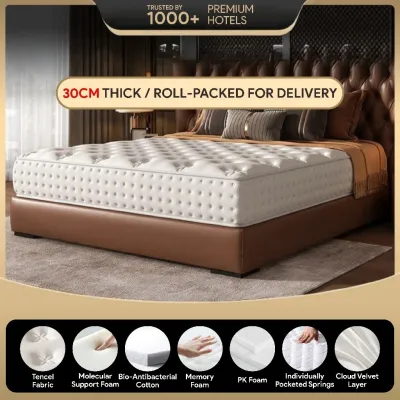
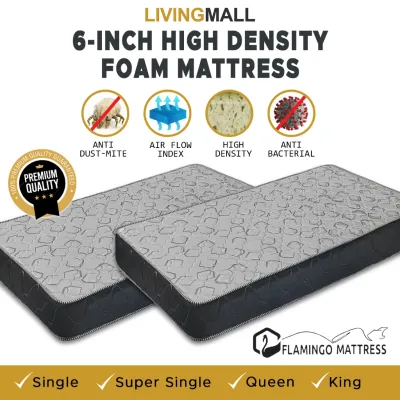
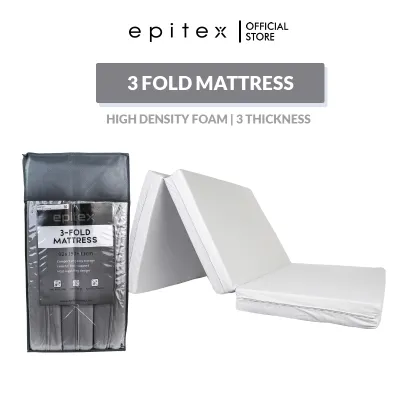

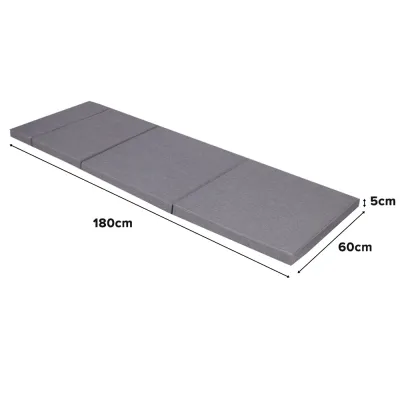
Prices are valid at publication and may change. Please refer to the product page for the latest price.
Back sleepers require a delicate equilibrium between surface cushioning and deep structural support. The primary goal is to maintain the natural “S” curve of the lumbar spine. If the mattress is too soft, the pelvis sinks too deep, flattening the lower back; if it is too firm, the mattress fails to fill the gap in the lumbar region, leaving the lower back muscles tense. A medium to medium-firm mattress (rated 5 to 7) generally provides the necessary pushback to keep the spine aligned while offering enough surface give for comfort.
Stomach sleepers face the greatest risk of spinal misalignment because gravity naturally pulls the heavy midsection downward. If a stomach sleeper rests on a soft surface, the hips sink deeply, arching the lower back into an unnatural, strained position that leads to chronic lower back pain. To prevent this, stomach sleepers need a firm to extra-firm mattress (rated 7 to 9). This solid surface keeps the pelvis level with the shoulders, ensuring the spine remains straight.
Combination sleepers, who shift between multiple positions during the night, require a versatile surface that accommodates different needs without causing them to feel “stuck.” A true medium mattress (rated 5) is often the ideal compromise. It offers enough surface contouring for occasional side sleeping, yet provides sufficient resilience and responsiveness to support back or stomach positions and facilitate easy movement.
Step 2: Factor in Your Body Weight and Build
While sleeping position provides a starting point, your body weight is the primary variable that determines how a sleeping bed mattress actually feels to you. Firmness scales are subjective, and a mattress rated as “medium” by a manufacturer will feel vastly different to individuals of different body masses.

Lightweight sleepers, defined as those weighing under 60 kg, exert less downward force on the mattress surface. Because they do not compress the comfort layers deeply, standard medium mattresses can feel exceptionally firm, almost like sleeping on a board. To experience proper pressure relief and contouring, lightweight sleepers often need to choose a mattress that is rated one notch softer than the standard recommendation for their sleep position. For example, a lightweight side sleeper may require a soft mattress to achieve the same level of shoulder cushioning that an average-weight sleeper gets from a medium model.
Average-weight sleepers, falling between 60 and 100 kg, typically find that standard industry firmness ratings align well with their personal experience. A medium mattress will feel genuinely medium to this group, as their body mass is sufficient to compress the upper comfort layers without bottoming out against the dense support core. For these individuals, choosing firmness based strictly on sleep position and personal preference is highly reliable.
Heavier sleepers, weighing over 100 kg, compress mattress layers much more deeply. On a standard mattress, they risk sinking straight through the soft comfort layers and resting directly on the hard support core, which causes severe pressure points and rapid wear of the materials. Heavier sleepers require firmer, thicker mattresses with high-density foam or robust pocketed coil systems that offer a high load capacity. A firmer rating (typically 7 to 8) is necessary to provide the structural pushback needed to keep their spine aligned, while thicker comfort layers prevent bottoming out.
It is vital to distinguish between firmness and support. Firmness refers to the immediate, subjective feel of the top layers of the bed—whether it feels soft, velvety, or rigid. Support, on the other hand, refers to the mattress’s underlying structural ability to keep your spine in a healthy, neutral alignment. A mattress can have a plush, soft surface (low firmness) while still providing excellent, rigid support through a robust pocket spring system underneath. Conversely, a cheap, poorly constructed mattress can feel hard as a rock (high firmness) while offering zero actual support, causing your spine to sag.
Step 3: Adjust for Specific Pain Points
Physical discomfort and chronic pain are clear indicators that your current sleeping bed mattress is failing to support your body correctly. Adjusting your firmness choice based on these pain points can significantly improve your sleep quality, though it requires balancing support with pressure relief.
Lower back pain is frequently caused by a lack of spinal support, which allows the lumbar region to sag or twist during the night. For individuals suffering from chronic lower back discomfort, clinical research and sleep ergonomics suggest that a medium-firm mattress is often the most effective choice. This firmness level provides enough surface yield to cushion the shoulders and hips while maintaining a strong, stable foundation that prevents the pelvis from sinking, thereby keeping the lower back in a neutral, relaxed posture.
Shoulder and hip pain, by contrast, are usually pressure-related issues. When side sleepers rest on a surface that is too rigid, the concentrated pressure on the shoulder and hip joints restricts blood flow and irritates the surrounding nerves. If you regularly wake up with sore joints or tingling limbs, you likely need a mattress with thicker, softer comfort layers—such as memory foam or natural latex—to cradle these sensitive areas and distribute your body weight more evenly.
While selecting the correct mattress firmness can alleviate sleep-induced discomfort, it is crucial to establish a clear safety boundary. A mattress is a supportive sleep surface, not a medical cure. Chronic, severe, or radiating pain can stem from underlying medical conditions that a new bed cannot resolve. If you experience persistent pain that does not improve with rest, you should consult a qualified healthcare professional in Singapore for a proper diagnosis and treatment plan, rather than relying solely on a mattress change to solve the issue.
The Firmness Matrix: Find Your Ideal Match
To simplify your search, the following matrix cross-references your body weight with your primary sleeping position to provide a recommended firmness range. Use these recommendations as a baseline guideline to narrow down your choices before testing specific mattress models.
| Sleep Position | Lightweight (Under 60 kg) | Average Weight (60–100 kg) | Heavier (Over 100 kg) |
|---|---|---|---|
| Side Sleeper | Soft (2–3) | Medium-Soft to Medium (4–5) | Medium-Firm (6–7) |
| Back Sleeper | Medium-Soft to Medium (4–5) | Medium-Firm (6) | Firm (7–8) |
| Stomach Sleeper | Medium-Firm (6) | Firm (7–8) | Extra-Firm (8–9) |
| Combination Sleeper | Medium-Soft (4) | Medium (5) | Medium-Firm to Firm (6–7) |
When using this matrix, keep in mind that personal preference plays a significant role, and individual brand scales can vary. A “medium” mattress from one Singapore manufacturer might feel like a “medium-firm” from another due to differences in material density, quilting, and spring tension. Additionally, consider your local environment; in Singapore’s tropical climate, softer mattresses that wrap closely around your body can feel warmer because they restrict airflow around your skin. If you prefer a softer feel but tend to sleep hot, look for mattresses that incorporate cooling gel-infused foams, open-cell latex, or highly breathable pocketed spring systems to balance plushness with temperature regulation.
How to Test and Verify Your Mattress Choice
Selecting a mattress is a long-term investment, and verifying the firmness before making a final commitment is essential to avoid buyer’s remorse. Whether you prefer shopping in physical showrooms or purchasing online, specific strategies can help you make a risk-free decision.
When testing mattresses in-store, bypass the temptation to simply sit on the edge or lie down for a few seconds. Follow the 10-to-15-minute rule: lie down in your actual, dominant sleeping position for at least 10 consecutive minutes. Wear loose, comfortable clothing that allows you to move naturally, and bring your preferred sleeping pillow along. Your pillow dictates the alignment of your neck and upper spine, and testing a mattress with a showroom pillow that is too high or too low can distort how the mattress firmness feels. Pay close attention to whether your hips sink too deeply or if you feel pressure building up in your shoulders.
If you prefer the convenience of online purchasing, look for brands that offer extended sleep trials. Many modern mattress companies in Singapore provide 100-night home trials, allowing you to sleep on the mattress in your own bedroom. This is highly beneficial because your body can take up to three to four weeks to adjust to a new support surface. Always read the terms and conditions of these trials carefully; verify the return policies, checking if there are pickup fees, and ensure the warranty covers structural sagging over time.
For couples sharing a bed, individual firmness needs can conflict, especially if there is a significant difference in body weight or sleeping positions. In these cases, evaluate motion isolation and edge support. A mattress with excellent motion isolation—such as pocketed coils or memory foam—prevents one partner’s movements from transferring across the bed. Strong edge support is also critical in Singapore’s compact apartments, as it maximizes the usable sleeping surface, allowing you to sleep right up to the edge without feeling like you might roll off. If your needs are completely incompatible, consider exploring split-firmness options (such as a split-king setup) where each side of the bed is customized to a different firmness level.
Frequently Asked Questions (FAQ)
Can a mattress be too firm for side sleepers?
Yes, a mattress that is too firm is highly detrimental for side sleepers. When the surface lacks sufficient give, the shoulders and hips are forced to bear the brunt of your body weight, leading to intense pressure points, restricted circulation, and numbness. This lack of sinkage also prevents the spine from settling into a straight, horizontal line, which can cause chronic upper back, neck, and shoulder pain.
Will a mattress topper change the firmness of my current bed?
A mattress topper can successfully adjust the surface feel of your bed, but its capabilities are limited. A high-quality topper made of memory foam or latex can add plushness and pressure relief to a mattress that is currently too firm. However, a topper cannot fix a sagging, worn-out, or fundamentally unsupportive mattress. If the core support system of your mattress has collapsed, adding a topper will simply sink into the existing depression, failing to restore proper spinal alignment.
Do I need a different firmness if my partner and I have different body types?
When partners have different body types or sleep positions, finding a single compromise mattress can be challenging. A highly effective solution is to choose a medium-firm mattress constructed with thick, responsive comfort layers over a robust pocketed coil system, which balances pressure relief with deep support. Alternatively, you can look for manufacturers that offer split-firmness mattresses, or combine two separate single-size mattresses with different firmness levels inside a single queen or king-size frame.

Community discussion
Share your experience or ask a question. Comments are reviewed before publication.