
Finding the right mattress firmness is a balancing act between your primary sleeping posture and how your body weight interacts with the bed’s comfort layers. The ultimate goal of any sleep surface is to maintain neutral spinal alignment while relieving pressure on sensitive joints. When your spine is aligned, your muscles can fully relax, allowing you to enter deeper, more restorative phases of sleep without waking up stiff or sore.
Because everyone carries weight differently and prefers different sleeping positions, there is no single mattress that works perfectly for everyone. A bed that feels like a supportive cloud to one person might feel like an unyielding board to another. To find your ideal match, you must look beyond marketing buzzwords and understand how your physical build, sleep posture, and the mattress’s internal construction work together.
Understanding Mattress Firmness and Support
To make an informed decision, it is essential to separate the concept of mattress firmness from mattress support. Firmness refers to the immediate feel of the top comfort layers when you first lie down. It is what makes a bed feel plush, cushiony, or rigid. Support, on the other hand, is a function of the deeper core layers—such as pocketed springs or high-density support foam—which keep your spine in a neutral position and prevent your heavy midsection from sinking too deep.
Products mentioned in this guide
![[1-2 day delivery] Foldable Foam Mattress 3-Fold Mattress](https://img.lazcdn.com/g/ff/kf/Se38f308a460b4ba3aef73a3da6703c621.jpg_400x400q80.jpg_.webp)
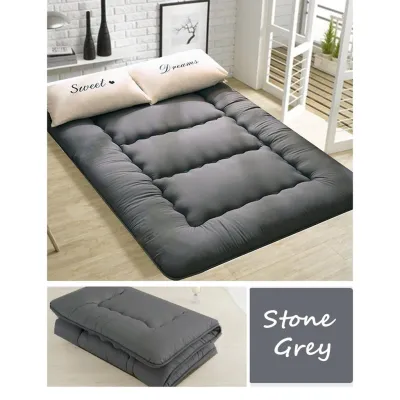
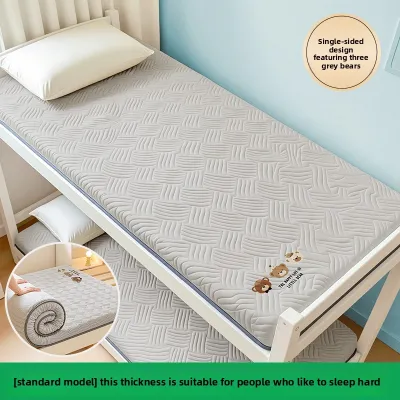
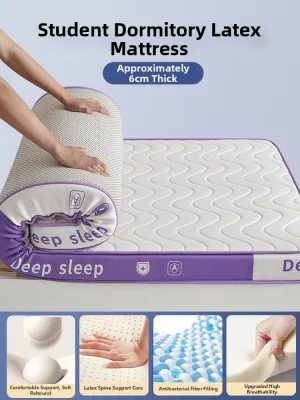
Prices are valid at publication and may change. Please refer to the product page for the latest price.
This distinction means a mattress can be soft to the touch while still providing excellent structural support, or conversely, it can feel incredibly hard on the surface while sagging in the middle. Firmness is highly subjective and depends heavily on your unique body metrics. What a manufacturer labels as a “medium-firm” is merely a relative guideline based on average testing, not an absolute standard.
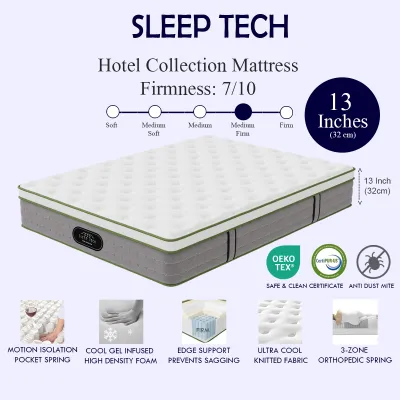
Most mattress brands use a scale from 1 to 10 to rate firmness, where 1 is extremely soft and 10 is exceptionally firm. While this scale is a helpful starting reference, your body weight, shape, and sleeping posture will ultimately determine how that rating actually feels to you.
Matching Firmness to Your Primary Sleep Position
Your dominant sleeping posture dictates where your body requires pressure relief and where it needs structural reinforcement. Throughout the night, your spine should maintain the same natural curve it has when you are standing upright. If your mattress does not accommodate your specific posture, your muscles will work overtime to keep your body aligned, leading to morning aches.

To identify your primary sleep position, pay attention to how you naturally wake up in the morning rather than how you first lie down at night. The position you find yourself in when your alarm goes off is typically the one your body spends the most time in. Once you know your dominant posture, you can narrow down the firmness range that best supports it.
Side Sleepers
Side sleepers require a mattress that offers significant contouring and pressure relief. When you sleep on your side, your body weight is concentrated over relatively narrow areas: your shoulders and your hips. If the mattress surface is too firm, these high-pressure zones cannot sink in, which forces your spine out of alignment and can lead to joint pain, stiffness, and restricted circulation.
To prevent this, side sleepers generally benefit from medium-soft to medium mattresses, typically rated between 4 and 6 on the firmness scale. These options allow the shoulders and hips to sink just enough to keep the spine straight while cradling the body’s natural curves. In warm, humid climates, side sleepers opting for contouring materials like memory foam should check for breathable designs, open-cell structures, or gel infusions to prevent heat buildup.
Back Sleepers
Back sleepers need a balanced sleep surface that offers both reliable lumbar support and gentle contouring. When lying on your back, your mattress must support the natural “S” curve of your spine, particularly in the lower back area. If the mattress is too soft, your pelvis will sink too deeply into the core, creating a painful “hammock” effect that strains the lower back muscles.
Conversely, if the mattress is too firm, it will not contour to your lower back at all, leaving a physical gap between your lumbar spine and the bed. This lack of contact forces your lower back to support itself without assistance, leading to tension. A medium to medium-firm mattress, rated between 6 and 7, is usually the ideal starting point for back sleepers, providing enough surface give to cushion the shoulders and glutes while keeping the spine supported.
Stomach and Combination Sleepers
Stomach sleepers require a highly supportive, firmer mattress to keep their body in a safe, flat alignment. Sleeping on your stomach naturally puts pressure on your lower back; if your hips and abdomen sink into a soft mattress, your spine is forced into an exaggerated, painful arch. To prevent this midsection sagging, stomach sleepers should look for firm options rated between 7 and 8.
Combination sleepers, who shift between multiple positions throughout the night, face a unique challenge. They need a mattress that is versatile enough to accommodate different postures while remaining easy to move around on. A responsive medium-firm mattress, often featuring pocketed coils or natural latex, is highly recommended because it provides the necessary bounce to make turning over effortless while offering a balanced compromise between support and pressure relief.
Adjusting for Body Weight and Physical Build
Your body weight is the primary force that compresses a mattress’s comfort and support layers, directly altering how firm the bed feels to you. A mattress that feels perfectly medium-firm to an average-weight individual may feel like an unyielding board to a lighter sleeper, or like a soft, unsupportive sponge to a heavier sleeper. Adjusting your firmness choice based on your weight category is crucial for achieving the right balance of comfort and alignment.
Lighter individuals, typically weighing under 60 kg, exert less downward force on the mattress. Because they do not compress the comfort layers very deeply, they often find that standard mattresses feel firmer than advertised. To achieve adequate pressure relief and contouring, lighter sleepers should generally opt for softer models than what is typically recommended for their sleeping position.
Heavier individuals, typically weighing over 80 kg, exert substantial pressure on the mattress, causing them to sink deeper into the comfort layers. If the mattress lacks a robust support core, they may sink completely through the comfort layers and bottom out against the hard support system, leading to severe pressure points and spinal misalignment. Heavier sleepers generally require firmer mattresses with thicker, high-density foam layers or robust pocketed coil systems to ensure long-term durability and structural integrity.
Your physical build and weight distribution also play a significant role in localized pressure. For instance, individuals with broader shoulders or wider hips will experience more concentrated pressure points in those areas, requiring a mattress with a slightly thicker comfort layer to allow for proper contouring, regardless of their overall weight.
Recognizing Pain Signals and Comfort Red Flags
Your body is highly efficient at signaling when a mattress firmness level is incorrect. Paying close attention to physical symptoms when you wake up can help you diagnose exactly what your current sleep surface is lacking. Morning aches and pains are rarely random; they are often direct indicators of poor spinal alignment or excessive pressure.
If you wake up with sore shoulders, stiff hips, or a dull ache in your joints, your mattress is likely too firm. This pain occurs because the rigid surface is compressing your joints and restricting blood flow, forcing you to toss and turn throughout the night to find relief.
Waking up with a stiff, aching lower back is a classic sign that your mattress is either too soft or has lost its structural support. When a bed sags, your hips sink too low, pulling your lumbar spine out of its natural alignment for hours at a time. However, lower back pain can also occur on a mattress that is too firm if it fails to fill the gap under your lumbar curve, leaving your lower back muscles tense and unsupported.
Frequent tossing, turning, or waking up with numb, tingling limbs indicates that your mattress is restricting your circulation. While adjusting your mattress firmness can resolve many of these issues, it is important to remember that persistent, chronic, or severe pain requires professional medical evaluation rather than a simple change of bedding.
Testing and Verifying Your Mattress Choice
Selecting a mattress is a significant investment, making thorough testing and verification essential before you finalize your purchase. When testing a mattress in a showroom, do not simply sit on the edge or lie down for a few seconds. Lie down in your primary sleeping position for at least 10 to 15 minutes, and try to use a pillow that matches the height and loft of your pillow at home to get an accurate feel for your spinal alignment.
In Singapore, where high-rise apartments, HDB flats, and condominiums are standard, you must also consider physical delivery constraints. Before ordering, measure your doorways, hallways, and lift dimensions to ensure the mattress can be safely transported to your bedroom. A king-size mattress that cannot fit into your building’s lift or navigate a tight stairwell corner can lead to costly delivery failures and returns.
Because it takes your body several weeks to adjust to a new sleep surface and break in the materials, relying solely on a brief showroom test can be risky. Look for retailers that offer risk-free at-home sleep trials, which typically span from 30 to 100 nights. This trial period allows your muscles and spine to fully adapt to the new support system in your own home environment.
Before committing to a purchase, carefully read the retailer’s return and exchange policies. Verify if there are any hidden fees, such as return transportation charges (which can sometimes cost upwards of S$100), restocking fees, or specific requirements regarding the mattress’s condition. Many brands require you to use a waterproof mattress protector during the trial period to keep the mattress eligible for a return or exchange.
Frequently Asked Questions (FAQ)
Can I fix a mattress that feels too firm or too soft?
If your mattress is too firm, you can easily add plushness and pressure relief by using a high-quality mattress topper made of memory foam, latex, or down alternative. However, if your mattress is too soft or is already sagging, a topper will not solve the problem; it will simply sink into the existing sag. Before replacing a soft mattress, check your bed base or foundation to ensure the slats are sturdy and spaced no more than 7 to 8 centimeters apart, as a weak foundation is often the hidden cause of a sagging bed.
Do couples with different sleep positions need different firmness levels?
Couples with conflicting sleep preferences can look for a medium-firm mattress, which often serves as an excellent middle ground that accommodates various sleeping styles. To prevent one partner’s movements from disrupting the other, prioritize models with excellent motion isolation, such as pocketed coils or memory foam. If your preferences are completely incompatible, consider a split-firmness mattress or two individual mattresses placed side-by-side within a single frame, prioritizing the partner who suffers from chronic pain or has a higher body weight to ensure they receive adequate structural support.

Community discussion
Share your experience or ask a question. Comments are reviewed before publication.