
Finding the right mattress firmness within the King Koil Spine Series requires balancing your personal sleeping posture, body weight, and physical comfort needs against the mattress’s structural design. Because a mattress is a long-term investment in your physical well-being, selecting the correct level of resistance ensures your spine remains neutrally aligned throughout the night. By analyzing how your body interacts with different comfort layers and support cores, you can make an informed decision that prevents morning stiffness and promotes deeper, uninterrupted sleep.
In Singapore’s warm and humid climate, this choice also involves considering how different materials manage heat and airflow. A mattress that feels comfortable in an air-conditioned showroom might feel different in a naturally ventilated bedroom, making the relationship between firmness, material composition, and support even more critical. Understanding these variables allows you to navigate the options in the Spine Series with confidence, ensuring your selection matches your daily sleep habits.
Assess Your Primary Sleeping Position and Body Weight
Your primary sleeping position is the most critical factor in determining how much cushioning your mattress needs to provide. Side sleepers require a surface that can accommodate the wider curves of the shoulders and hips. Without sufficient pressure relief in these areas, the spine can curve laterally, leading to joint strain and poor circulation. For these sleepers, a softer to medium-firm feel is typically recommended, as it allows the prominent parts of the body to sink just enough to keep the spine straight.
Products mentioned in this guide
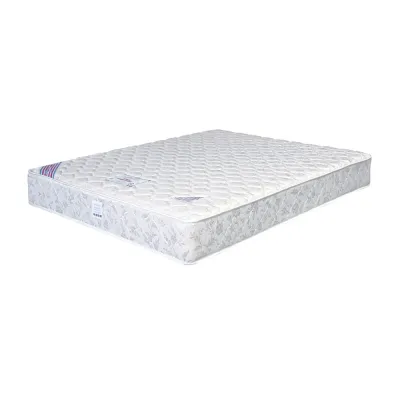
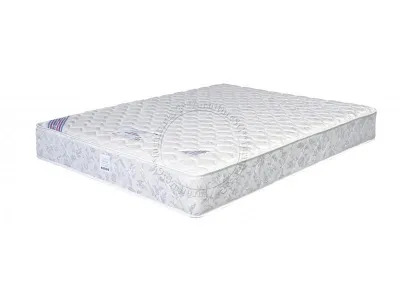
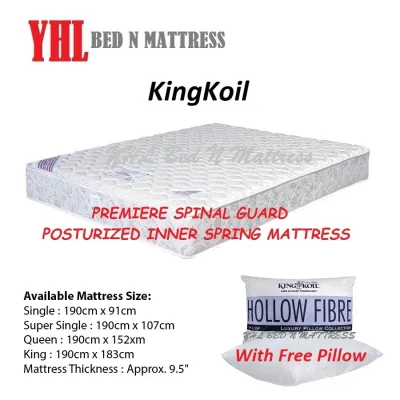
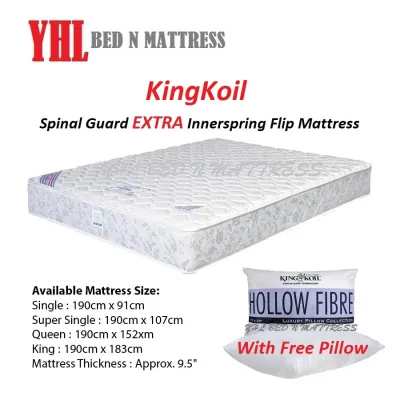
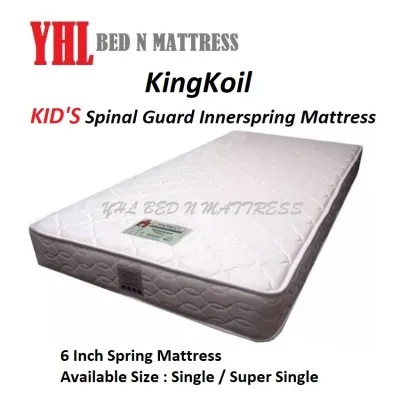
Prices are valid at publication and may change. Please refer to the product page for the latest price.
Conversely, back and stomach sleepers require a more resistant surface to prevent the heavier midsection of the body from sinking too deeply. When a stomach sleeper uses a mattress that is too soft, the pelvis sinks, arching the lower back unnaturally and placing immense strain on the lumbar muscles. Back sleepers need a balanced surface that fills the gap of the lower lumbar curve while keeping the shoulders and hips on a relatively even plane. For both positions, medium-firm to firm options generally provide the necessary upward resistance to maintain a healthy, neutral posture.
Body weight acts as a magnifying glass for mattress firmness, directly altering how soft or firm a bed feels. Lighter individuals, typically those under 60 kilograms, exert less downward force and may find that firm mattresses feel exceptionally hard, preventing their shoulders and hips from sinking enough to achieve proper contouring. For these sleepers, a softer comfort layer is often necessary to experience the intended pressure relief.
Heavier individuals, on the other hand, exert more pressure on the comfort layers and require a more robust support system to prevent bottoming out against the core. A mattress that feels medium to a lighter person might feel soft and unsupportive to someone heavier. If you fall into a higher weight category, opting for a firmer model within the Spine Series ensures that the internal spring system can push back adequately, preserving both spinal alignment and the lifespan of the mattress.
Evaluate Existing Back or Joint Concerns
If you regularly wake up with localized discomfort or suffer from chronic back and joint issues, your firmness selection must be approached with therapeutic alignment in mind. Lower back pain is frequently exacerbated by a mattress that is either too soft, causing the spine to sag like a hammock, or too hard, creating empty space beneath the lumbar curve. A medium-firm mattress is widely recognized as a balanced starting point, offering enough surface contouring to cushion the hips while maintaining a rigid underlying support structure to keep the spine neutral.

For those dealing with joint or shoulder pain, the focus shifts toward minimizing surface friction and pressure points. When joint tissues are inflamed, a rigid mattress surface can restrict blood flow and worsen pain, leading to frequent tossing and turning. In these instances, selecting a model with a slightly softer comfort layer—such as one featuring plush foam or latex—can cradle the sensitive joints, distributing your body weight more evenly across the surface.
While adjusting mattress firmness can significantly alleviate daily discomfort, it is important to recognize the limits of self-diagnosis. Persistent, severe, or radiating pain may stem from underlying medical conditions that a new bed alone cannot resolve. If you are managing chronic spinal issues, herniated discs, or severe joint degeneration, always consult a qualified healthcare professional or physiotherapist before finalizing your purchase to ensure your choice aligns with your medical treatment plan.
Understand the King Koil Spine Series Firmness Options
Navigating the King Koil Spine Series requires a clear understanding of how the brand categorizes its firmness levels and constructs its beds. The official firmness scale typically ranges from 1 to 10, with lower numbers representing plush comfort and higher numbers indicating extra-firm support. When reviewing these specifications, look closely at the model descriptions provided by the manufacturer, keeping in mind that these ratings are subjective and serve as a comparative guide within the brand’s own lineup rather than an absolute universal standard.
The initial feel of the mattress is heavily influenced by its top construction, which generally falls into three categories: pillow-top, euro-top, and tight-top. A pillow-top features an extra layer of soft padding stitched directly to the top of the mattress, offering a cloud-like, plush sensation. A euro-top integrates this cushioning layer flush with the mattress edges, providing a slightly denser, more uniform feel across the entire surface. A tight-top, by contrast, has no thick decorative cushion on top, offering a direct connection to the underlying support layers and a noticeably firmer, more responsive feel.
Beyond the surface comfort layers, you must verify the core support system to ensure long-term structural integrity. The Spine Series utilizes specialized spring systems, such as pocketed coils, designed to contour to the body while isolating motion transfer. When selecting a firmness level, check the gauge of the coils and the density of the transitional foam layers; a firmer mattress will often feature thicker wire coils or denser foam encasements. This underlying architecture is what prevents the mattress from sagging over time, ensuring that even a softer comfort top remains structurally supportive.
Test and Verify Your Mattress Choice
To ensure your selected firmness level is truly compatible with your body, a structured testing protocol is essential before making a final commitment. When visiting a showroom, avoid the common mistake of simply sitting on the edge of the bed or pressing down with your hands, as these actions do not replicate the distribution of your body weight when lying down. Instead, lie down on the mattress in your primary sleeping position for at least ten to fifteen minutes, allowing your muscles to relax fully so you can assess how the support layers respond over time.
During this in-store trial, back sleepers should perform a simple physical check known as the hand-gap test to verify proper lumbar support. While lying flat on your back, attempt to slide your flat hand under the small of your lower back. If your hand slides through too easily with a noticeable gap, the mattress is likely too firm, leaving your lower spine unsupported. If it is difficult to slide your hand under your back at all because your body has sunk deeply into the comfort layers, the mattress is too soft, which can lead to spinal misalignment.
Finally, always review the specific sleep trial periods, break-in requirements, and return policies offered by the retailer or brand. Many high-quality mattresses require an adjustment period of three to four weeks for your body to adapt and for the materials to settle. Ensure you understand the terms of any exchange policies, including potential restocking fees or delivery charges. In Singapore, where narrow corridors and tight lift access in older HDB flats or condominiums can complicate logistics, verify that the delivery team can safely transport the mattress into your bedroom and that the return policy covers these physical access constraints.
Frequently Asked Questions (FAQ)
Can a mattress topper change the firmness of my King Koil Spine Series bed?
A mattress topper can effectively soften a mattress that feels slightly too firm by adding an extra layer of cushioning, such as memory foam or latex, to the surface. However, a topper cannot make a sagging or overly soft mattress firmer. If the underlying support core of your mattress has lost its structural integrity, adding a firm topper will only follow the existing dips and contours, failing to provide the necessary spinal alignment.
Is a firmer mattress always better for back support?
No, an exceptionally firm mattress is not universally superior for back support and can sometimes worsen spinal alignment. If a mattress is too rigid, it forces the shoulders and hips to rest entirely on top of the surface, leaving the lower back suspended without support and creating painful pressure points. The ideal mattress provides a balance of surface contouring to fill physical gaps and deep structural resistance to keep the spine in a neutral position.
How long does it take to adjust to a new mattress firmness?
It typically takes between three to four weeks for your body to fully adjust to a new mattress firmness level. During this break-in period, your muscles and ligaments are adapting to a new alignment posture, and the mattress materials are beginning to settle and soften slightly. It is common to experience mild stiffness during the first fortnight, which is why utilizing a retailer’s sleep trial period is highly recommended before making a final decision.

Community discussion
Share your experience or ask a question. Comments are reviewed before publication.