
Selecting the ideal glass table top style for your living room is a balancing act between visual weight, light reflection, and the overall design theme of your home. A well-chosen glass surface can make a compact apartment feel incredibly spacious, while the wrong frame or tint can clash with your existing decor. By matching the transparency, edge treatment, and framing of the glass to your specific interior style, you can create a cohesive and functional centerpiece that elevates your entire living space.
Assessing Your Living Room Aesthetic and Space
Before browsing styles, look closely at your room’s lighting. Glass interacts dynamically with both natural sunlight and artificial fixtures. Clear glass allows light to pass through, which can brighten dark corners, while highly polished glass can create glare under direct overhead spotlights. Observing how light moves through your room at different times of day will help you decide whether a reflective, matte, or tinted surface is most appropriate.
Next, identify your dominant design theme. Whether your home leans toward clean Scandinavian lines, cozy Japandi minimalism, or rich modern luxury, the table top must harmonize with these elements rather than compete with them. Take note of the dominant materials in the room, such as light oak, dark walnut, matte metals, or plush fabrics, as these will influence the type of glass and framing that fits best.
Products mentioned in this guide
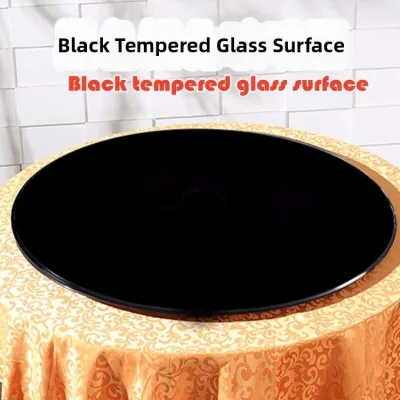
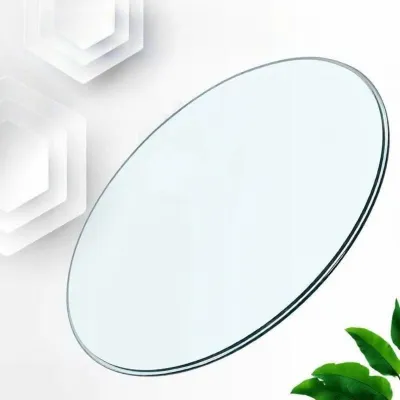
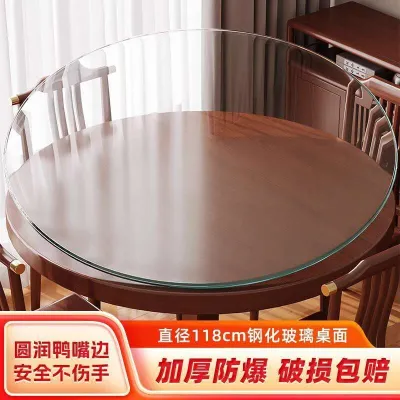
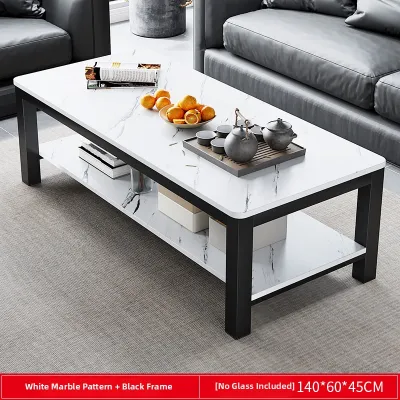
Prices are valid at publication and may change. Please refer to the product page for the latest price.
Finally, physical dimensions are critical, especially in urban apartments where floor space is at a premium. Measure the exact footprint of your seating area and ensure there is a comfortable walkway around the table. A round or oval glass top can soften tight spaces and prevent painful bumps in high-traffic zones, while rectangular shapes align neatly with structured sectional sofas.
Matching Glass Table Top Styles to Popular Design Themes
The treatment of a glass table top—whether it is completely transparent, frosted, tinted, or framed—directly dictates its visual weight. A frameless clear glass top has almost zero visual weight, making it appear to float and exposing the beauty of the rug or floor beneath it. Conversely, a dark-tinted or heavily framed glass top acts as a strong visual anchor, drawing the eye directly to the center of the room.

To achieve a balanced look, coordinate the table’s base or frame material with the existing hardware in your living room. For instance, if your light fixtures, cabinet handles, or chair legs feature brushed brass or matte black metal, selecting a glass table with matching metallic accents creates an intentional, designer-led feel.
Below is a quick reference guide to help you align different glass styles with popular interior design themes:
| Glass Table Top Style | Best Matched Design Theme | Key Visual Effect |
|---|---|---|
| Frameless Clear Glass | Scandinavian, Minimalist | Maximizes light, creates an airy feel |
| Matte Black Metal-Framed | Industrial, Modern Loft | Adds structure, anchors the room |
| Frosted or Fluted Glass | Japandi, Organic Modern | Diffuses light, softens hard lines |
| Bronze or Grey Tinted Glass | Modern Luxury, Art Deco | Adds warmth, pairs with rich textures |
Frameless and Clear Glass for Minimalist and Scandinavian Spaces
For homes embracing Scandinavian or minimalist aesthetics, a frameless clear glass table top is an excellent choice. By eliminating bulky borders, clear glass keeps the sightlines open, which is incredibly beneficial for making smaller living rooms feel larger and more inviting. It allows beautiful flooring, such as light oak vinyl or patterned rugs, to remain fully visible rather than hidden beneath a solid piece of furniture.
When choosing a frameless top, the edge profile becomes a key design detail. A polished flat edge offers a clean, ultra-modern look that blends seamlessly into the background. Alternatively, a beveled edge catches the light at an angle, adding a subtle touch of classic elegance without disrupting the minimalist vibe of the room.
Keep in mind that clear glass is highly revealing. Dust, fingerprints, and water rings will show up quickly on a pristine transparent surface, meaning this style requires regular wiping to maintain its clean, sophisticated appearance. If you prefer a low-maintenance option, you may want to consider textured or framed alternatives.
Metal-Framed Glass for Industrial and Modern Loft Looks
If your living room features raw brick, exposed concrete, or dark wood elements, a metal-framed glass table top complements the industrial aesthetic well. The metal frame provides a bold, structural outline that defines the table’s shape, while the glass insert prevents the piece from looking overly heavy or blocky in the center of the room.
Dark metals, such as matte black iron or gunmetal grey, offer a striking contrast against the transparency of the glass. This style coordinates beautifully with industrial-style track lighting, metal shelving units, and leather sofas, tying the entire room’s design elements together into a cohesive theme.
To balance the strong visual weight of a thick metal frame, consider pairing it with a slightly thicker glass insert or a textured base. When shopping for framed units, always inspect the stability of the frame, the quality of the joint construction, and ensure the legs are equipped with durable floor protectors to prevent scratching your flooring.
Tinted and Frosted Glass for Japandi and Modern Luxury Settings
For those who prefer a softer, more organic feel, frosted or fluted glass table tops are ideal for Japandi-style living rooms. The textured surface of frosted glass diffuses light beautifully, creating a warm, muted glow that complements natural wood tones and linen upholstery. As a practical bonus, textured and frosted finishes are excellent at hiding minor smudges and dust, making them highly functional for daily use.
In modern luxury settings, tinted glass—particularly in shades of warm bronze, smoky grey, or deep amber—adds an instant layer of sophistication. Tinted glass introduces subtle color and depth, pairing exceptionally well with rich textures like velvet, marble, and polished brass accents.
Because tints can shift in appearance depending on the light, it is wise to verify the exact shade against your living room’s color palette. Observe how the tint looks under both daytime natural light and warm evening artificial lighting to ensure it harmonizes with your walls and upholstery before making a final decision.
Practical Checks for Size, Safety, and Daily Use
Before finalizing your purchase, perform a few essential practical checks to ensure the table fits your lifestyle. Start by verifying the physical dimensions of the table against your layout. Ensure there is a clearance of at least 45 to 60 centimeters between the edge of the table and your sofa or TV console to allow for comfortable walking and legroom.
Safety is paramount, especially in households with active children or pets. Always check that the table top is made of tempered or toughened glass. Tempered glass is significantly stronger than standard glass and, in the rare event of breakage, crumbles into small, blunt pieces rather than sharp, dangerous shards.
Additionally, evaluate the weight capacity of the table base and the thickness of the glass top. A coffee table top should generally be at least 8 to 10 millimeters thick to ensure structural integrity for daily use. If you plan to place heavy decorative items or books on the table, verify the manufacturer’s load limits first.
Finally, do not forget the logistics of delivery. Measure your home’s doorways, corridors, and especially the building’s elevator or stairwell dimensions. Ensuring the table can safely navigate these tight spaces will prevent delivery-day headaches and potential damage to your new furniture.
Maintenance and Care for Different Glass Finishes
To keep your glass table top looking pristine, always start by checking the manufacturer’s specific care instructions, as different finishes and coatings may have unique requirements. A simple, consistent cleaning routine is the most effective way to preserve the glass’s clarity and shine over time.
For daily maintenance, a quick dusting with a dry, soft microfiber cloth is usually sufficient. To remove fingerprints or light smudges, use a damp lint-free cloth followed immediately by a dry microfiber cloth to prevent water spots and streaking.
Avoid using abrasive scrubbing pads, steel wool, or harsh chemical cleaners containing ammonia or acid. These can scratch the surface of clear glass or permanently damage the delicate coatings on tinted, frosted, or printed glass tops. For stubborn spots, a mild mixture of water and a few drops of dish soap is a safe and effective alternative.
Frequently Asked Questions (FAQ)
Can I place a glass table top directly on an existing wooden base?
Yes, you can place a glass top on a wooden base, but you must secure it properly to prevent sliding. Use clear, non-slip silicone pads or rubber bumpers between the wood and the glass to create friction and hold the top in place. Additionally, ensure the wooden base is completely flat, level, and has the structural weight-bearing capacity to support the heavy glass top safely.
Is tempered glass necessary for a living room coffee table?
While not legally mandatory, tempered glass is highly recommended for any living room coffee table. Because coffee tables sit low to the ground in high-traffic areas, they are susceptible to accidental bumps, dropped objects, and heavy items being placed on them. Tempered glass provides the necessary impact resistance and safety assurance to protect your household from accidental breakage.

Community discussion
Share your experience or ask a question. Comments are reviewed before publication.