
Selecting the right furniture socks is a simple yet highly effective way to protect your floors from unsightly scratches, scuffs, and deep gouges. The ideal material depends entirely on your specific flooring—whether you need smooth gliding for dining chairs on hardwood, high-friction grip for a heavy sofa on tiles, or moisture resistance in humid environments. Matching the physical properties of felt, rubber, silicone, or fabric to your floor type ensures your furniture remains stable while keeping your home’s surfaces pristine.
Understanding How Different Furniture Sock Materials Behave
Furniture socks come in several distinct materials, each offering unique physical traits that dictate how they interact with your floors. Understanding these characteristics is the first step in making an informed choice for your home.
Felt is a dense, fibrous material known for its excellent cushioning and low-friction properties. It allows furniture legs to glide effortlessly across hard surfaces, making it highly suitable for items that are moved frequently, such as dining chairs or bar stools. The soft fibers absorb impact and prevent abrasive particles from grinding directly into the floor finish.
Products mentioned in this guide
![[SG] 8pc Grey. Black. Brown. Chair Socks Leg Floor Protector Furniture Socks. 8 Pieces Per Set.](https://img.lazcdn.com/g/p/28aa641749d6eb97207245c0fe45e294.jpg_400x400q80.jpg_.webp)
Prices are valid at publication and may change. Please refer to the product page for the latest price.
Rubber is a high-friction material designed primarily to anchor furniture in place. It provides maximum grip, preventing heavy pieces like sofas, beds, or shelving units from shifting when in use. While rubber offers excellent stability, its high resistance means it is not suitable for furniture that needs to slide regularly.
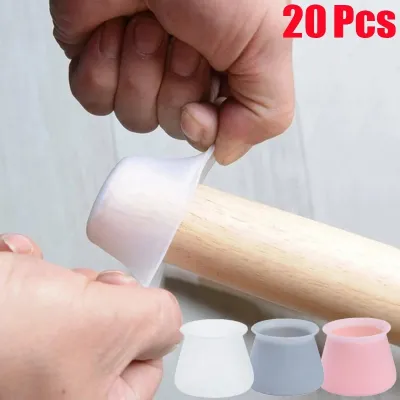
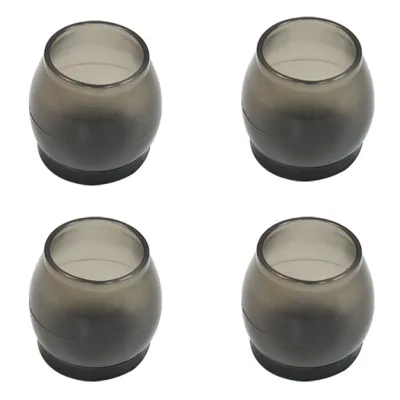
Silicone options typically feature a flexible, sleeve-like design that stretches over the furniture leg, often combined with a felt or padded base. Silicone is highly water-resistant and conforms tightly to various leg shapes, providing a secure fit that does not slip off easily. This material offers a balanced combination of moderate grip and surface protection.
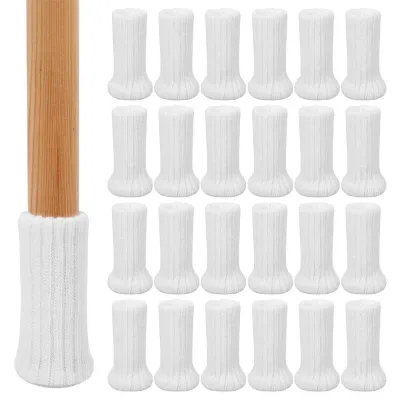
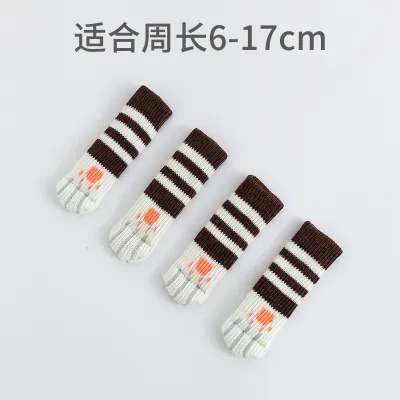
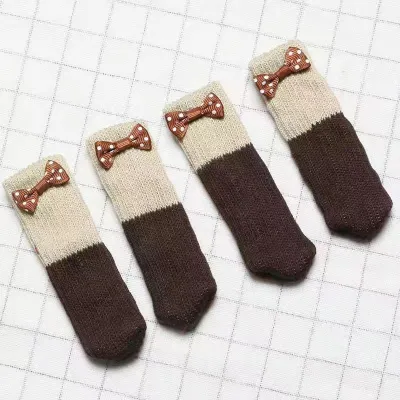
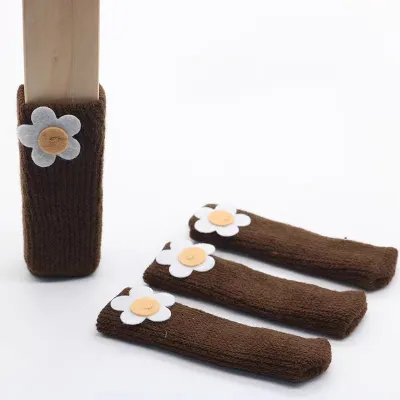
Fabric socks, usually made from knitted cotton or polyester blends, function like miniature socks for your furniture legs. They are highly flexible, easy to wash, and protect against dust accumulation. However, basic fabric covers offer minimal friction control and can wear through quickly under heavy loads or frequent movement.
Choosing the Right Material for Hard and Smooth Floors
Hard and smooth floors require careful material selection to balance the need for scratch prevention with the desired level of furniture stability. Hardwood, laminate, tile, and vinyl each have distinct vulnerabilities to consider.

For hardwood and laminate floors, preventing scratches is the absolute priority. Frequently moved chairs benefit most from felt-bottomed socks, which allow smooth movement without scraping the delicate protective sealant of the wood. For heavy, stationary items like sofas or cabinets, rubber or silicone bases are preferable to prevent sliding, though you must ensure the material does not react with the floor finish.
Tile and vinyl floors are highly durable but can still suffer from scuffs, and they are often exposed to higher moisture levels in areas like kitchens or dining spaces. Silicone socks are excellent for these surfaces because they resist moisture and provide a secure grip on smooth, non-porous tiles. Rubber is also highly effective for anchoring heavy items on vinyl, provided the manufacturer’s guidelines do not warn against rubber contact.
Before finalizing your choice, always perform a few essential decision checks. Assess the weight of the furniture piece, how often it will be moved, and check the floor manufacturer’s care instructions. Some luxury vinyl tiles or specialized wood finishes have specific warnings against using certain rubber or plastic backings, which can cause chemical discoloration over time.
Managing Furniture Stability on Carpets and Textured Floors
Soft or textured surfaces present a different set of challenges, as materials designed to glide on hard floors often behave unpredictably on carpets and rugs.
Using felt or smooth fabric socks on carpets can cause furniture legs to sink unevenly or slide too easily, leading to instability. Because these materials lack the grip needed to bite into the carpet pile, chairs or tables may wobble or shift when weight is applied, posing a safety risk.
To anchor furniture securely on carpets, rubber or textured silicone bases are far more effective. The high-friction surface of these materials grips the carpet fibers, helping to distribute weight evenly and keeping the furniture firmly in place. This is particularly useful for heavy items that should remain stationary, such as bookcases or sideboards.
In cases where the carpet pile is exceptionally thick or plush, furniture socks may not provide sufficient stability. Under these conditions, removing the socks entirely or opting for specialized wide-base carpet casters or cups is often the safer and more practical alternative. These specialized accessories are designed to distribute heavy loads across a larger surface area without crushing the carpet fibers.
How to Test Compatibility and Maintain Your Furniture Socks
To ensure long-term protection and prevent accidental damage to your floors, it is important to verify material compatibility and maintain the socks regularly.
Always start by checking the product labels and specifications for explicit floor-type compatibility. Avoid relying on unverified universal claims, as a material that works perfectly on tile might cause issues on a delicate hardwood floor.
Before installing the socks across all your furniture, perform a discrete spot test. Place a single sock on a furniture leg and test it in an inconspicuous area, such as under a rug or in a corner. Check for the desired level of grip, ensure it slides smoothly if intended, and inspect the floor afterward to confirm no residue or marks have been left behind.
Over time, furniture socks can accumulate dust, pet hair, and tiny grit particles from the floor. This trapped debris can act like sandpaper under the weight of the furniture, scratching the very floor you are trying to protect. Establish a regular cleaning routine to remove the socks, shake or wash them according to the manufacturer’s instructions, and clean the floor beneath them.
Regularly inspect the socks for visual and physical signs of wear. Look for thinning material, loss of elasticity that causes the sock to slip down, or embedded dirt that cannot be washed out. If you notice the bare furniture leg starting to press through the material, replace the socks immediately to prevent direct contact with your floor.
Frequently Asked Questions (FAQ)
Can I use rubber furniture socks on hardwood floors?
While rubber provides excellent grip, some rubber compounds can react chemically with specific hardwood floor finishes, leading to permanent discoloration or leaving a sticky residue. To protect your floors, check both the furniture sock and floor manufacturer’s guidelines. If you are unsure, choose a silicone sock with an integrated felt base, or place a felt barrier between the rubber and the wood surface.
How do I know when it is time to replace my furniture socks?
You should replace your furniture socks when you observe clear signs of physical degradation. These include visible thinning or holes in the bottom of the material, a loss of elasticity that causes the socks to slide off the legs, or heavily embedded grit and dirt that cannot be removed by washing. If the bare wood or metal of the furniture leg is close to touching the floor, immediate replacement is necessary to avoid scratches.

Community discussion
Share your experience or ask a question. Comments are reviewed before publication.