
To protect your floors from permanent damage when moving heavy items, you must match the slider’s bottom material to your specific flooring. Singapore homes commonly feature a mix of glazed ceramic tiles, luxury vinyl planks, and engineered wood, each demanding a different level of friction control and cushioning. Using the wrong slider can lead to deep scratches, torn vinyl, or cracked tile grout.
Selecting the right furniture slider involves assessing both your floor’s vulnerability and the weight of your furniture. By matching the slider’s base material to your floor type, you can move heavy wardrobes, sofas, and dining tables smoothly without compromising the integrity of your home’s surfaces.
Identify Your Floor Type and Furniture Load
Before purchasing any furniture sliders, you must accurately identify your flooring material. Glazed ceramic or porcelain tiles are highly durable but feature recessed grout lines that can catch thin sliders. Luxury vinyl planks and linoleum are resilient and comfortable underfoot, yet they are susceptible to tearing, scuffing, and permanent indentation under heavy, concentrated loads. Engineered wood and natural hardwood possess delicate top wear layers that scratch easily when subjected to abrasive friction.
Products mentioned in this guide
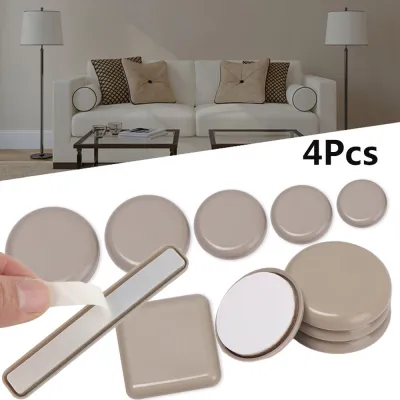
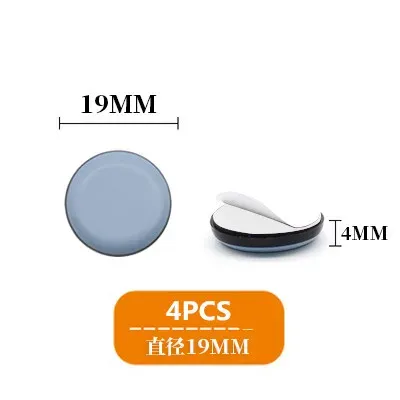
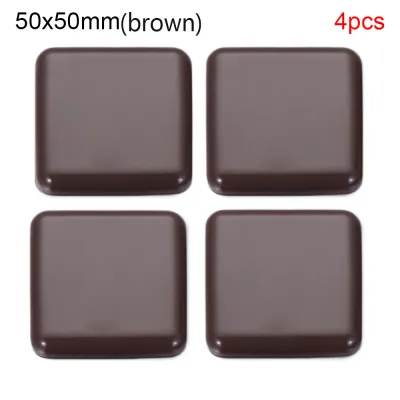
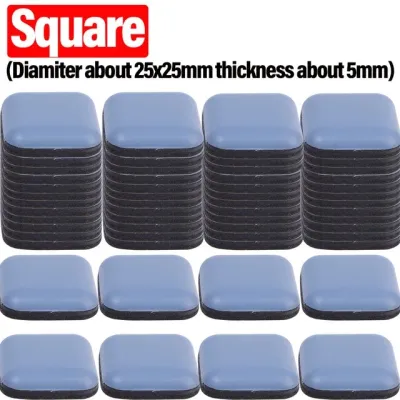
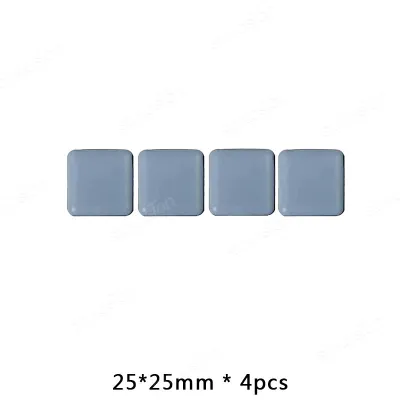
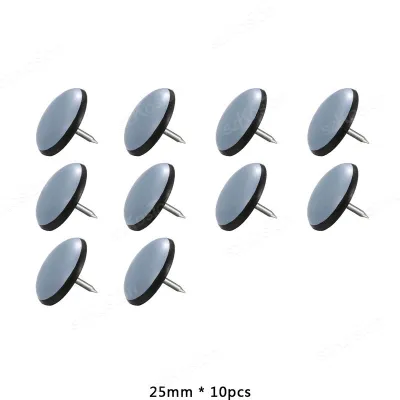
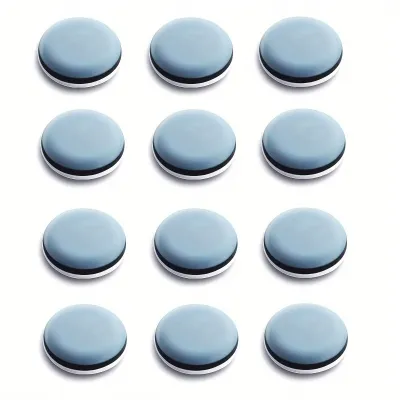
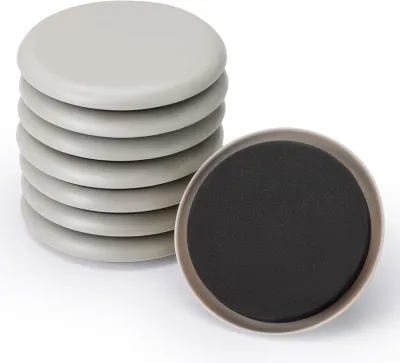
Prices are valid at publication and may change. Please refer to the product page for the latest price.
Next, evaluate the physical characteristics of your furniture. Heavy items like solid wood sideboards or marble-top dining tables exert immense downward pressure, requiring wider sliders to distribute the weight evenly. Examine the shape of the furniture legs as well; flat-bottomed legs work well with simple adhesive pads, while rounded, tapered, or angled legs often require flexible slip-on cups or screw-in sliders to remain stable during movement.
Finally, consult your flooring manufacturer’s warranty and care guidelines. Some flooring brands explicitly warn against using specific adhesive backings, rubber compounds, or hard plastic protectors, as these can cause chemical discoloration or physical wear that voids your warranty. Checking these specifications beforehand ensures your choice of slider preserves both your floors and your coverage.
Matching Furniture Sliders to Common Flooring Materials
The effectiveness of a furniture slider depends on its dual-layer construction. The bottom layer, which contacts the floor, determines how smoothly the furniture glides and how well the surface is protected from friction. The top layer, which contacts the furniture leg, is responsible for securing the slider in place so it does not slip off during movement.

Sliders for Hardwood, Laminate, and Engineered Wood
Wood-based floors require soft, non-abrasive materials to prevent micro-scratches on their delicate finishes. Dense, heavy-duty felt is the standard choice for these surfaces, as it provides a soft cushion that glides silently across wood grains. Some specialized soft plastic sliders designed specifically for wood can also work, provided they do not have hard, molded edges.
When using felt sliders on wood floors, you must establish a routine of checking the slider bases regularly. Dust, grit, and small sand particles common in Singapore’s tropical environment can easily become embedded in the soft felt fibers. If left uncleaned, these trapped particles act like sandpaper, scratching the wood finish every time the furniture is shifted.
Avoid using hard plastic, metal, or rough nylon-bottomed sliders on any wood surface. These rigid materials do not compress under weight, meaning any concentrated pressure or tiny piece of trapped grit will be pressed directly into the wood, causing deep gouges, dents, or permanent scrapes that require costly refinishing.
Sliders for Ceramic, Porcelain, and Stone Tiles
Hard, tiled surfaces present a different challenge: navigating grout lines and resisting high friction. For these floors, durable, hard-bottomed sliders made of high-density plastic or polytetrafluoroethylene (PTFE) are highly effective. These smooth, rigid materials glide effortlessly over grout joints without catching, snagging, or chipping the tile edges.
Because tiled floors can have minor height variations between individual tiles, the slider’s top layer must hold the furniture leg securely. Look for sliders with deep cup designs, high-friction rubber inserts, or heavy-duty adhesives. This prevents the furniture leg from slipping out of the slider when crossing uneven grout lines.
Additionally, check the slider thickness and cushioning. Heavy furniture placed on hard tiles can create concentrated point loads that risk cracking the tile if dropped or shifted abruptly. A slider with a thick, shock-absorbing foam or rubber middle layer helps distribute this impact, protecting both the tile and the underlying screed.
Sliders for Vinyl and Linoleum Flooring
Resilient flooring like luxury vinyl planks requires sliders that prevent tearing and chemical staining. Choose sliders with smooth, non-staining bases, such as felt or specialized smooth plastics. Avoid sliders made with cheap black rubber or low-grade plastics, as these materials can migrate chemicals into the vinyl, leaving permanent yellow or dark scuff marks that cannot be washed away.
Inspect the edges of the sliders carefully before installation. Any rough seams, sharp plastic molding lines, or exposed metal staples can easily slice or tear the thin wear layer of vinyl flooring. The slider should have completely rounded, smooth edges to ensure it rides over the vinyl without digging into the material.
Vinyl is also prone to permanent indentation under heavy, static loads. To prevent your sofa or cabinet from leaving deep, permanent sinks in your vinyl planks, select wide sliders that spread the weight over a larger surface area. This reduces the localized pressure, keeping your resilient flooring flat and even.
Key Specifications to Verify on Product Labels
When shopping for furniture sliders on online marketplaces or at local home improvement stores, you must carefully read the product labels and specifications. Start by checking the weight capacity limits. Calculate the approximate weight of your furniture—including its contents—and divide it by the number of legs to find the load per leg. Ensure the slider’s rated capacity comfortably exceeds this number to prevent the material from crushing or failing.
Next, evaluate the attachment mechanism to match your furniture’s design and material. Self-adhesive pads are convenient and work well on flat, clean wooden or metal legs, but their adhesive can degrade over time. Screw-on or nail-on sliders offer a highly secure, permanent attachment for wooden legs, though they require drilling into the furniture. Slip-on cups or flexible silicone caps stretch over various leg shapes, making them ideal for angled or metal legs where adhesives do not stick well.
Finally, verify the base material composition listed in the product description. Avoid products that make vague “universal” claims without specifying the exact floor types they support. Look for clear labeling that confirms the absence of harsh plasticizers or abrasive fillers, ensuring the slider is safe for your specific flooring material.
Safe Installation and Usage Practices
Proper installation is critical to ensure your furniture sliders perform as intended and do not cause accidental damage. Before applying any slider, thoroughly clean and dry both the bottom of the furniture leg and the floor surface. Removing all dust, grease, and moisture ensures that self-adhesive backings bond securely and prevents trapped dirt from scratching the floor during the installation process.
When placing heavy furniture onto the sliders, always lift the item slightly rather than dragging it into position. Dragging a heavy table or cabinet onto an unsecured slider can tear the adhesive bond, dislodge the slider cup, or tilt the leg, causing the hard edge of the furniture to scrape directly against your floor.
If you are using temporary sliders solely for moving day or rearranging rooms, remember to remove them once the furniture is in its permanent position. Leaving temporary adhesive sliders on for extended periods can lead to adhesive degradation, leaving a sticky residue on your floor or causing localized discoloration due to trapped moisture and lack of light exposure.
Frequently Asked Questions (FAQ)
Can I use the same furniture sliders on all floor types?
No, using the same slider across all floor types is not recommended because different materials require contrasting friction levels. A hard plastic slider designed to glide over tile grout will scratch delicate engineered wood, while a soft felt slider meant for wood will wear down rapidly or catch on rough tile grout lines. Always verify the manufacturer’s floor compatibility label before use.
How often should I replace adhesive furniture sliders?
You should inspect and replace adhesive sliders whenever you notice signs of wear, such as compressed or thinning felt, peeling adhesive, or exposed plastic cores. In Singapore’s humid climate, adhesives can degrade faster, and frequent movement or heavy loads will accelerate this wear. A biannual check is recommended to ensure your floors remain protected.
Will furniture sliders leave sticky residue on my floors?
Low-quality adhesives or sliders exposed to heat and direct sunlight can leave a sticky residue when removed. To prevent this, choose high-quality, residue-free adhesives or opt for slip-on silicone cups. If residue does occur, test a small, inconspicuous area of your floor with a mild, floor-safe soapy solution or a specialized adhesive remover before applying it widely.

Community discussion
Share your experience or ask a question. Comments are reviewed before publication.