
Finding the perfect storage cabinet for a Singapore Housing & Development Board (HDB) flat requires balancing tight floor space with practical storage needs. Whether you live in a compact 2-room Flexi, a standard 3-room, or a more spacious 4-room or 5-room flat, spatial efficiency is key. A folding storage cabinet offers an elegant, adaptable solution, transforming from a slim, unobtrusive unit into a fully functional workspace, dining area, or shelving system. However, choosing the wrong type can quickly turn your space-saving dream into a daily obstacle course. To find the ideal fit, you must evaluate your specific HDB layout, identify underutilized vertical or transitional zones, and carefully calculate physical clearances.
Assessing Your HDB Floor Plan and Storage Deficits
Before browsing online marketplaces or visiting local showrooms, you must establish a precise baseline of your flat’s physical dimensions. Start by retrieving your official HDB floor plan, but do not rely solely on printed figures. Grab a steel tape measure to capture the actual floor footprint, vertical height, and pathway widths. Measure from the skirting boards rather than the bare walls, as these baseboards can shave off valuable centimeters and prevent a cabinet from sitting flush. Additionally, measure your main doorway and lift access dimensions to ensure any pre-assembled freestanding cabinet can actually be delivered into your home.
Next, identify and categorize your flat’s “dead spaces” versus high-traffic zones. Dead spaces are areas that cannot accommodate standard, bulky furniture but remain underutilized. Examples include the narrow gap behind a bedroom door, the empty wall space above a low-profile study desk, or an awkward corner in an entryway. High-traffic zones, such as the direct path from the kitchen to the dining area, must remain entirely clear of permanent obstructions. Mapping these zones ensures you select a storage unit that capitalizes on idle areas without encroaching on essential living space.
Products mentioned in this guide
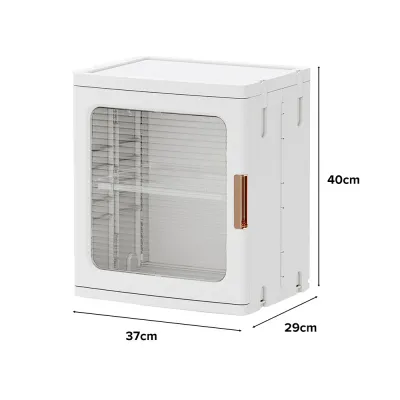
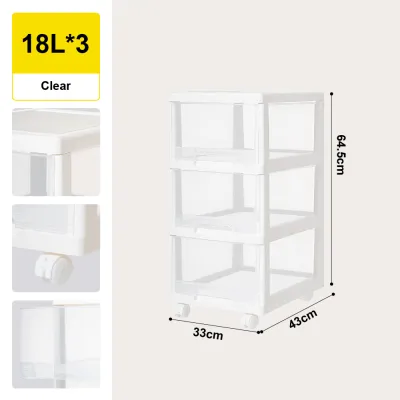
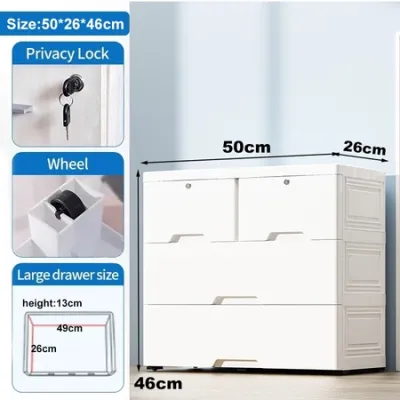
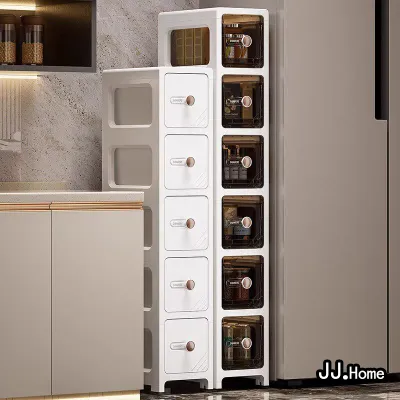
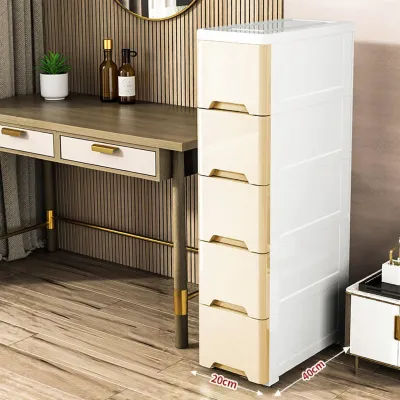
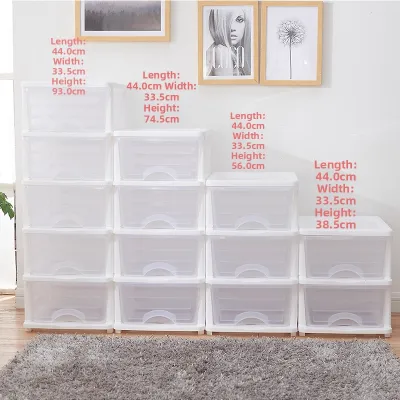
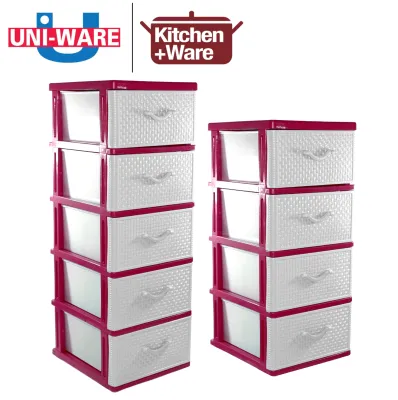
Prices are valid at publication and may change. Please refer to the product page for the latest price.
Finally, map out your household’s daily movement paths to prevent bottlenecks. In typical HDB layouts, especially newer Build-To-Order (BTO) flats where corridors and living areas are increasingly compact, even a temporary obstruction can disrupt daily life. Visualize how family members move through the home during peak hours. A folding storage cabinet must be positioned so that when it is fully opened or extended, it still allows at least 80 to 90 centimeters of walking clearance. This ensures that everyone can comfortably walk past the unit without having to squeeze or wait for the cabinet to be folded back up.
Matching Folding Storage Cabinet Types to HDB Room Configurations
Different areas of an HDB flat present distinct spatial challenges, meaning a folding storage cabinet that works perfectly in a living room might be highly impractical for a narrow hallway. By matching specific folding mechanisms and multi-functional designs to the architectural realities of each room, you can maximize utility without sacrificing floor area.

Wall-Mounted Fold-Down Cabinets for Compact Bedrooms
In HDB bedrooms where a queen-sized bed and a standard wardrobe leave very little floor area, vertical wall space becomes your most valuable asset. Wall-mounted fold-down cabinets—often featuring integrated writing desks, laptop stands, or shallow shelving—are ideal for these tight quarters. These units remain folded flat against the wall when not in use, protruding only 15 to 20 centimeters, and swing down to reveal a functional workspace or vanity when needed.
When choosing this type, you must verify the structural suitability of your bedroom walls. HDB partition walls (often made of lightweight concrete panels or drywall in newer flats) have strict weight limits and require specialized wall plugs. Heavy-duty wall-mounted units should ideally be anchored into solid concrete walls. Furthermore, you must measure the folding clearance meticulously. Ensure that when the desk or shelf is fully extended, it does not collide with your bed frame, wardrobe doors, or bedside tables, leaving enough room for you to pull up a chair and sit comfortably.
Collapsible Freestanding Units for Open-Plan Living Areas
Open-plan living and dining zones in modern HDB flats demand flexible furniture that can adapt to different social scenarios. Collapsible freestanding units, such as drop-leaf storage cabinets or expandable sideboard units, offer excellent temporary storage and surface area. These freestanding cabinets can sit quietly against a living room wall to hold everyday essentials, then roll out and unfold to double as a dining table or hosting station when guests visit.
To make an informed decision, always compare the fully expanded footprint against the collapsed footprint. A cabinet that looks compact in a showroom can easily overwhelm a living room when fully opened. Additionally, pay close attention to the unit’s stability. Examine how the support legs lock into place when the cabinet is partially or fully expanded. Units equipped with heavy-duty, lockable caster wheels offer the best of both worlds, allowing you to easily reposition the cabinet and lock it securely in place to prevent wobbling during use.
Slim Multi-Functional Consoles for Narrow Corridors and Entryways
Transitional spaces like entryways and corridors are frequently underutilized in HDB flats, yet they are prime locations for targeted storage. Slim multi-functional consoles are designed specifically to navigate these narrow passages. These units typically feature ultra-shallow profiles, often measuring less than 25 centimeters in depth, and utilize tipping or folding compartments rather than standard pull-out drawers.
When placing a cabinet in an entryway or corridor, maintaining an unobstructed walkway is paramount for safety and fire evacuation compliance. Choose a console that serves a dual purpose, such as a folding shoe storage bench where you can sit to put on your shoes, or an expandable console table that opens up into a temporary sorting station. If you plan to use the cabinet for footwear or damp items, ensure the design incorporates adequate ventilation slots or open-backed panels to prevent moisture buildup and musty odors in Singapore’s humid climate.
Critical Clearances and Installation Requirements
A folding storage cabinet can only save space if it can actually open and close without hitting other elements in your home. Failing to account for the surrounding physical infrastructure can render a multi-functional cabinet useless or, worse, cause damage to your walls and existing furniture.
When planning your cabinet’s placement, you must carefully map out all nearby structural and electrical features:
- Door Swings and Wardrobe Clearances: Ensure the cabinet does not block the swing path of bedroom doors, main entrance doors, or wardrobe doors.
- Skirting Boards: Measure the height and thickness of your skirting boards. If a freestanding cabinet does not have a base cutout to accommodate the skirting, it will sit away from the wall, creating an unstable gap and reducing clearance in front of the unit.
- Power Outlets and Data Ports: Avoid blocking access to wall sockets, light switches, or fiber optic termination points. If a cabinet must sit in front of an outlet, ensure it has built-in cable management cutouts.
- Hinge and Drawer Paths: Verify that hinges, drop-down doors, and slide-out compartments have a clear path to extend fully without scraping against adjacent walls or furniture.
Furthermore, you must strictly adhere to Housing & Development Board (HDB) renovation guidelines before undertaking any wall-mounting work. Drilling into the reinforced concrete walls of your flat’s household shelter (commonly known as the bomb shelter) is strictly prohibited by law, as it compromises the structural integrity and airtight seal of the emergency shelter. For non-shelter walls, always use a digital stud finder to locate embedded electrical conduits and water pipes before drilling. If you are renting your flat, check your tenancy agreement, as many landlords prohibit drilling and require tenant-installed furniture to be entirely freestanding.
Checking Material Specs and Hardware Durability
Singapore’s tropical climate—characterized by high humidity and warm temperatures year-round—places unique demands on furniture materials and moving hardware. A folding storage cabinet relies heavily on its joints and hinges; if these components fail or the wood warps, the entire folding mechanism becomes useless.
Instead of relying on generic material names like “wood” or “metal,” look closely at the manufacturer’s technical specifications for humidity and moisture resistance. Engineered woods, such as Medium-Density Fibreboard (MDF) or particleboard, are highly susceptible to swelling and warping when exposed to ambient moisture. If choosing engineered wood, verify that it features high-quality, high-pressure laminate (HPL) finishes and professional edge banding. Edge banding seals the raw edges of the board, preventing humid air from penetrating the core. For maximum longevity in tropical conditions, solid wood treated with moisture-resistant sealants or powder-coated metal frames are superior options.
Equally important is the quality of the moving hardware. Inspect the hinges, gas struts, and tracks that facilitate the folding action. Look for stainless steel or brass hardware, which resists rust and corrosion far better than cheap plated steel. Heavy-duty piano hinges (which run the entire length of the folding joint) distribute weight more evenly than small butt hinges, reducing stress on the cabinet frame. Always check the manufacturer’s stated weight capacity on the product label. Avoid overloading folding shelves, and make it a habit to distribute heavy items evenly across the lower, non-folding sections of the cabinet to maintain a low center of gravity.
Common Space-Matching Mistakes to Avoid
When shopping for space-saving furniture, it is easy to get caught up in clever designs and overlook practical limitations. Avoiding a few common pitfalls can save you from buyer’s remorse and potential safety hazards in your HDB flat.
One of the most frequent mistakes is forgetting to measure the “in-use” or “folded-out” footprint. A folding desk or dining table might look incredibly sleek when closed, but once unfolded, it may completely block the pathway to the kitchen or bathroom. Always tape out the fully extended dimensions on your floor using masking tape before purchasing to physically visualize how much space remains for movement.
Another critical error is placing tall folding cabinets in positions that obstruct essential home infrastructure. Avoid placing units where they block the direct airflow from your air conditioning units, obscure natural light from windows, or interfere with the sweep of ceiling fan blades. Blocking airflow can reduce your air conditioner’s efficiency and create pockets of stagnant, humid air, which encourages mold growth.
Finally, never ignore the manufacturer’s tested weight limits for folding surfaces. It can be tempting to treat a folded-out shelf as a heavy-duty storage deck, but overloading these cantilevered surfaces puts immense leverage on the hinges and wall anchors. Over time, this stress can cause the screws to pull out of the wall or the hinges to bend, leading to sudden structural failure and potential injury.
Frequently Asked Questions (FAQ)
Can I mount a folding cabinet on my HDB household shelter door or walls?
No, you cannot drill into or mount any items on the walls or steel door of your HDB household shelter (bomb shelter). The household shelter is a reinforced structural compartment designed to protect occupants during emergencies. Under HDB and Civil Defence regulations, drilling, hacking, or modifying the shelter’s walls, floor, ceiling, or door is strictly prohibited, as it can compromise its structural integrity and airtight seal. If you need storage near your household shelter, opt for slim, freestanding folding cabinets that can be placed adjacent to the shelter without being anchored directly to its structure.
How should I maintain folding hinges to prevent stiffness in humid weather?
To keep your cabinet’s folding mechanisms operating smoothly in Singapore’s humid climate, conduct regular visual inspections and basic maintenance. Wipe down metal hinges, tracks, and joints once a month with a clean, dry microfiber cloth to remove accumulated dust, lint, and moisture, which can trap humidity and accelerate rust. If you notice any stiffness or squeaking, apply a tiny amount of silicone-based spray lubricant or light machine oil directly to the hinge pivot points. Avoid using heavy grease or harsh chemical cleaners, as these can attract dirt or degrade the protective finish of the hardware and surrounding wood.

Community discussion
Share your experience or ask a question. Comments are reviewed before publication.