
Selecting a foldable tatami fabric sofa for a Singapore HDB apartment requires looking beyond aesthetic appeal to evaluate structural integrity, fabric durability, and precise spatial compatibility. Because HDB layouts prioritize space optimization, a reliable brand is one that provides transparent dimensions, robust local warranties, and high-density foam fillings that withstand Singapore’s humid climate. Rather than searching for a single universally perfect brand, homeowners should focus on brands that offer clear specifications, physical showroom testing, and reliable delivery services tailored to HDB lift and doorway constraints.
By understanding what makes a foldable tatami sofa durable and functional, you can transform a compact living room, study, or spare room into a highly versatile space. This guide outlines the essential standards for evaluating brand reliability, product adaptability, and the physical checks needed to make a confident purchase for your home.
Defining the Role of Foldable Tatami Sofas in HDB Layouts
Foldable tatami sofas, often referred to as floor sofas or low-profile sofa beds, are characterized by their ground-level or near-ground design. Unlike traditional sofas that stand on tall wooden or metal legs, these pieces rest directly on the floor or on a very low plinth. They typically feature adjustable internal metal joints that allow the backrest, headrest, and sometimes even the armrests to tilt at various angles. When fully unfolded, the cushions lay completely flat, instantly converting the seating area into a supportive sleeping surface for guests or a relaxed lounging pad for movie nights.
Products mentioned in this guide
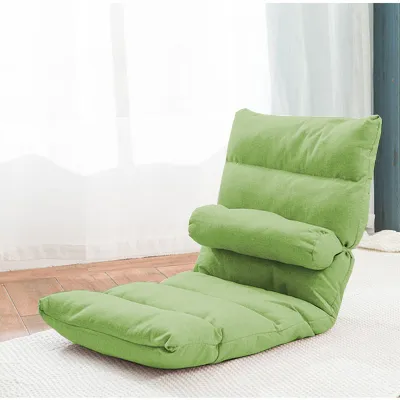
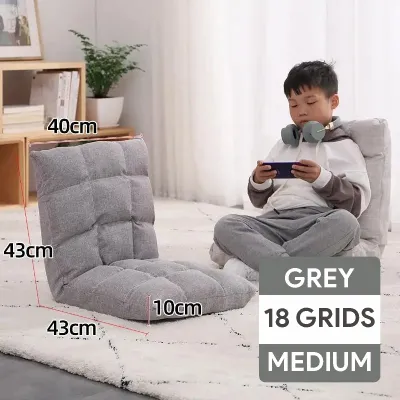
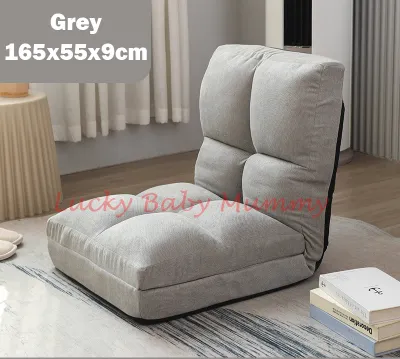
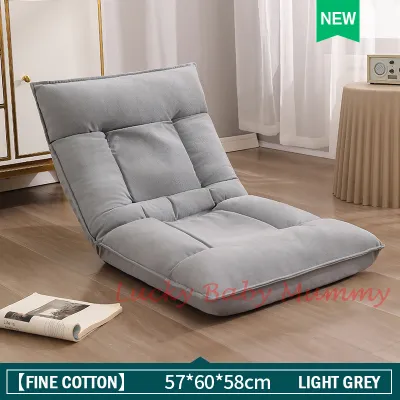
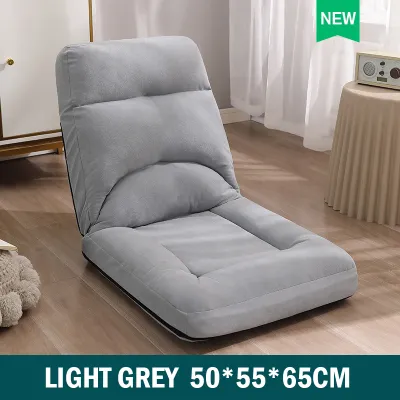


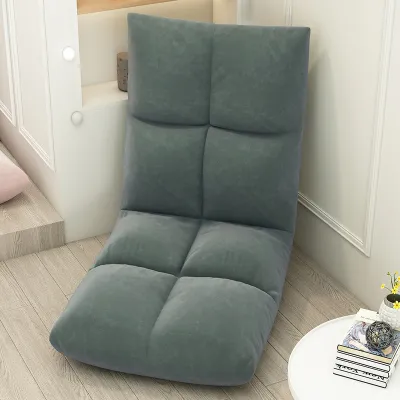
Prices are valid at publication and may change. Please refer to the product page for the latest price.
In the context of Singapore’s HDB flats, where floor area is at a premium, these low-profile designs offer significant spatial advantages. In smaller 2-room Flexi or 3-room flats, a traditional bulky sofa can visually overwhelm the living room, making the ceiling feel lower and the space more cramped. A tatami sofa keeps the visual line low, which opens up the room and allows more natural light to circulate. Furthermore, they are highly popular choices for multi-purpose study rooms, playrooms, or even the occasional cozy corner in a larger 4-room or 5-room flat, providing flexible seating that can be tucked away or laid flat when needed.
The choice of folding mechanism directly impacts how easily you can transition the sofa between its various configurations. Multi-fold designs rely on hinged cushions that stack on top of one another for seating and unfold outward like a tri-fold mattress. Push-pull mechanisms may incorporate a low-profile slide-out frame that supports the cushions when extended, offering a more structured bed feel. Some advanced models even feature hidden storage compartments within the base, allowing you to store extra sheets, pillows, or blankets. Understanding these mechanisms helps you choose a style that matches your physical strength and the frequency with which you plan to convert the sofa.
How to Evaluate and Select Reliable Fabric Sofa Brands
When shopping for a foldable tatami sofa in Singapore, evaluating a brand’s local service record is paramount. Because these sofas rely heavily on moving mechanical parts, purchasing from a brand with a dedicated local presence ensures you have access to customer support if a joint jams or a frame warps. Look for brands that offer clear warranty terms—ideally covering both the internal frame and the folding mechanisms—and check their return and exchange policies. A brand that is responsive to inquiries and has a clear process for handling manufacturing defects provides peace of mind that online-only, overseas drop-shippers simply cannot match.

Product specification transparency is another hallmark of a reliable furniture brand. Trustworthy brands will provide exhaustive details on their product listings, including the exact dimensions of the sofa when fully folded, partially reclined, and completely flat. They should also clearly state the maximum weight capacity of the frame and provide detailed fabric composition labels. If a brand glosses over these details or uses vague marketing terms like “premium comfort foam” without specifying density or material, it is wiser to look elsewhere.
Verifying user reviews is a crucial step in filtering out low-quality options on local ecommerce platforms and furniture directories. When reading reviews, look past the initial five-star ratings and focus on detailed feedback from verified local buyers who have used the sofa for several months. Pay close attention to comments regarding how well the cushions hold their shape, whether the fabric pilling is minimal, and how the delivery team handled the installation. Be skeptical of overly generic reviews or those that seem to repeat the same promotional phrases, as these can sometimes be manipulated.
Whenever possible, choose a brand that maintains a physical showroom alongside its online store. Testing a foldable tatami sofa in person is invaluable; it allows you to feel the actual firmness of the foam, assess the texture and breathability of the fabric against your skin, and personally operate the folding joints. A showroom visit also gives you the opportunity to ask sales representatives direct questions about stock availability, customization options, and the origin of the materials, ensuring you make an informed decision based on physical reality rather than stylized product photos.
Measuring Space and Navigating HDB Delivery Constraints
Before finalizing your purchase, you must meticulously measure your usable floor space to ensure the sofa fits comfortably in both its folded and unfolded states. Use masking tape to outline the sofa’s maximum footprint on your floor, keeping in mind that you need at least 60 to 70 centimeters of clearance around the perimeter for comfortable walking paths. Ensure that when the tatami sofa is fully extended into a bed, it does not block access to main walkways, built-in wardrobes, balcony sliding doors, or bedroom entryways, as blocking these paths can create daily inconveniences and safety hazards.
Navigating the physical delivery process is a common bottleneck when purchasing furniture for HDB flats. You must verify the dimensions of your building’s passenger lift, including the door opening width, interior height, and diagonal depth, to ensure the packaged sofa can fit inside. Additionally, measure your flat’s main entrance door frame and any tight corridor turns leading into the designated room. If the sofa is delivered pre-assembled and cannot fit into the lift, you may face steep staircase delivery surcharges, or worse, find yourself unable to bring the furniture into your home.
Visual proportions and utility placement also require careful planning. Because tatami sofas sit very low to the ground, placing them against a large, blank wall can sometimes make the room look unbalanced. You can counter this by pairing the sofa with low-profile wall art, floating shelves, or a low coffee table. Furthermore, check the location of your wall power sockets and light switches. A low sofa should not block access to these outlets, especially if you plan to plug in phone chargers, reading lamps, or laptop adapters while lounging on the sofa.
Inspecting Fabric Quality, Frame Stability, and Folding Mechanisms
Singapore’s hot and humid climate demands careful consideration of fabric materials. Look for highly breathable fabrics such as linen blends, flat-weave polyesters, or specialized performance tech-fabrics that resist moisture retention and heat buildup. If you have pets or young children, prioritize fabrics with high abrasion resistance (often indicated by a high Martindale cycle count) and those treated with water-resistant or stain-resistant coatings. Removable, machine-washable covers are highly recommended for tatami sofas, as they sit close to the floor where dust, pet hair, and floor dirt naturally accumulate.
Below the fabric cover lies the core of the sofa’s comfort and longevity: the internal fillings and support structure. High-density polyurethane foam or pocket spring systems are essential for preventing the sofa from sagging over time. When testing the sofa, press down firmly; you should not feel the hard metal or wooden frame beneath the cushioning. A quality tatami sofa will utilize a solid metal inner frame—often steel—to support the weight of multiple users when configured as a bed, whereas cheaper models may use flimsy wire frames or low-grade particle board that can bend or snap under sudden pressure.
The folding joints and hardware are the most active components of a tatami sofa and require close inspection. Test the mechanism by cycling it through its various reclining angles multiple times. The transition should feel smooth, deliberate, and require moderate effort; it should not feel loose, jerky, or excessively stiff. Listen closely for any grinding, clicking, or squeaking noises, which can indicate poor alignment or cheap hardware that will wear out quickly. Ensure that once a specific angle is locked into place, the backrest remains completely stable and does not wobble when you lean back.
Finalizing Logistics, Assembly, and Warranty Details Before Purchase
Before you click the purchase button or sign the sales order at a showroom, clarify all logistical details with the retailer. Confirm whether their standard delivery fee covers delivery directly to your HDB unit, and ask about specific surcharges for non-lift accessible floors or deliveries scheduled during peak weekend hours. If you are replacing an old sofa, inquire if the delivery team offers a disposal service. Many retailers offer this for a fee, typically ranging from S$50 to S$100, which can save you the hassle of coordinating bulky item removal with your local Town Council.
Assembly requirements can vary significantly between different tatami sofa models. Some designs are delivered fully assembled and ready to use straight out of the box, while others arrive flat-packed and require you to bolt the frame together or slide the cushions into place. If assembly is required, ask if professional installation is included in the purchase price or if it can be added as an optional service. If you choose to assemble it yourself, verify that all necessary tools and clear, English-language instruction manuals are included in the package.
Finally, read the fine print of the product warranty to understand exactly what is covered and for how long. A standard warranty should cover manufacturing defects in the internal steel frame and the folding gear mechanisms for at least one to three years. Be aware of common exclusion clauses, which often omit coverage for normal fabric wear and tear, pilling, minor foam softening, or damage caused by exceeding the stated weight limits. Keeping a digital copy of your receipt and the warranty certificate will ensure a smooth claims process should any mechanical issues arise down the road.
Frequently Asked Questions (FAQ)
Can a foldable tatami sofa serve as a permanent bed replacement?
While a foldable tatami sofa is excellent for temporary lounging, daytime naps, or hosting overnight guests, it is generally not recommended as a permanent, long-term bed replacement. These sofas are designed with multiple folding joints and segmented cushions, which can create uneven pressure points along your spine over extended periods of use. Additionally, because they sit directly on the floor, they lack the under-bed airflow that standard bed frames provide. In Singapore’s humid climate, this lack of ventilation can trap body heat and moisture between the floor and the cushions, potentially leading to mold growth and hygiene issues.
How do I clean and maintain the fabric if it is not removable?
If your tatami sofa does not have a removable cover, regular preventive maintenance is key to keeping it clean. Vacuum the entire surface at least once a week using an upholstery brush attachment to remove dust, skin flakes, and pet dander that settle near the floor. For accidental spills, act immediately by blotting the liquid with a clean, dry microfiber cloth; avoid rubbing, as this pushes the stain deeper into the fibers. You can treat localized stains using a mild fabric cleaner or a mixture of warm water and a drop of gentle dish soap, testing it on an inconspicuous area first. For deep cleaning or stubborn odors, consider hiring a professional local upholstery cleaning service once a year to steam-clean and sanitize the fabric deep within the foam layers.

Community discussion
Share your experience or ask a question. Comments are reviewed before publication.