
Selecting the right firmness for a single mattress is one of the most critical decisions you will make for your sleep quality and physical health. Because a single mattress is designed for an individual sleeper, you have the unique advantage of tailoring the bed entirely to your personal physical profile without having to compromise with a partner. The ideal firmness level is not a universal standard; rather, it is a dynamic balance between spinal alignment and pressure relief. By understanding how your body interacts with different materials and support levels, you can avoid the common pitfalls of buying a bed that is either too rigid or too soft.
To navigate the mattress market effectively, it helps to understand the standard firmness scale used by most manufacturers. This scale typically ranges from 1 to 10, where 1 represents an incredibly soft surface with almost no resistance, and 10 represents a surface as rigid as a wooden floor. Most high-quality single mattresses fall between a 3 (soft) and an 8 (firm). Finding your place on this scale requires a systematic look at your sleeping habits, physical build, and local living conditions.
Assess Your Primary Sleeping Position
Your dominant sleeping posture dictates how your body weight is distributed across the mattress surface and where you need the most support. When you sleep, your spine should maintain its natural, neutral curve. If a mattress is too firm or too soft for your specific position, your muscles will work overtime to keep your body aligned, leading to stiffness and aches in the morning.
Products mentioned in this guide
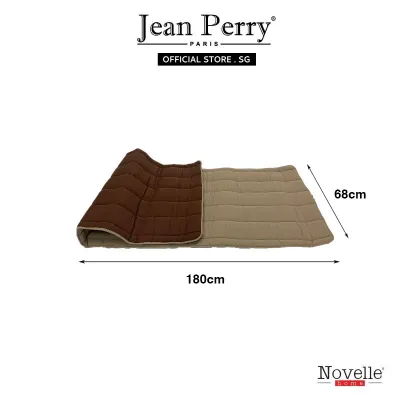
![[1-2 day delivery ] Single size and Queen Size Foam Mattress](https://img.lazcdn.com/g/ff/kf/S53f34f438945453bac9eb7ad88f413a5N.jpg_400x400q80.jpg_.webp)
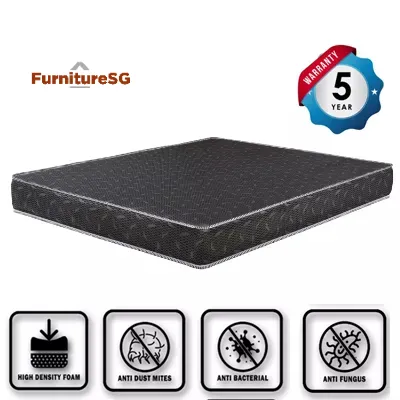
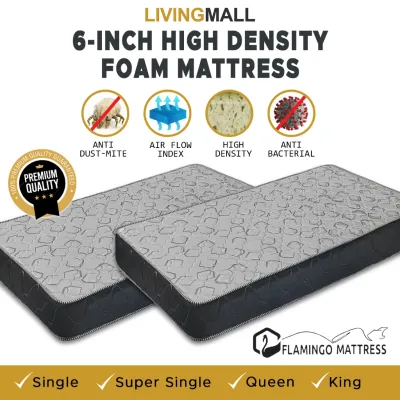
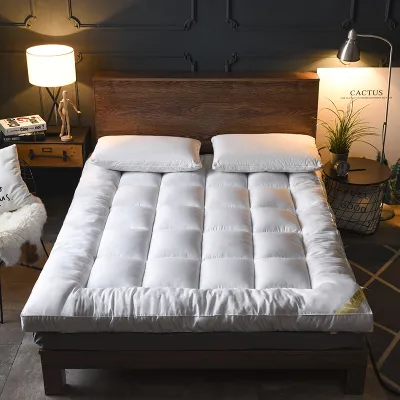

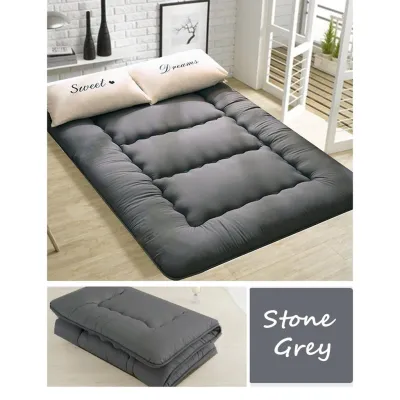
![[1-2 day delivery] Foldable Foam Mattress 3-Fold Mattress](https://img.lazcdn.com/g/ff/kf/Se38f308a460b4ba3aef73a3da6703c621.jpg_400x400q80.jpg_.webp)
Prices are valid at publication and may change. Please refer to the product page for the latest price.
Side sleepers require a mattress that offers significant contouring and pressure relief, typically falling in the soft to medium range (4 to 6 on the scale). When you lie on your side, your shoulders and hips bear the brunt of your body weight. A mattress with sufficient give allows these wider areas to sink in comfortably, which prevents the spine from curving sideways and keeps the neck in a neutral position.
Back sleepers need a balanced combination of support and cushioning, usually found in the medium to medium-firm range (6 to 7 on the scale). The mattress must support the natural curve of the lower lumbar spine without letting the hips sink too deeply. If the mattress is too soft, the pelvis drops, straining the lower back; if it is too firm, the mattress cannot fill the gap under the lower back, leaving it unsupported.
Stomach sleepers require a firmer surface, generally ranging from 7 to 8 on the scale. Sleeping on your stomach naturally puts pressure on your spine, and if your midsection sinks into a soft mattress, your back will arch uncomfortably. A firm single mattress keeps your hips and torso level with your shoulders, preventing hyperextension of the lower back.
Combination sleepers, who shift between multiple positions throughout the night, should look for a highly responsive medium mattress (around 5 to 7 on the scale). A responsive surface, often achieved through pocketed springs or resilient latex layers, allows you to turn easily without feeling stuck in a deep foam contour. This ensures adequate support regardless of whether you end up on your back, side, or stomach.
Factor in Your Body Weight and Build
Your body weight directly influences how deeply you compress the comfort layers of a single mattress. A mattress that feels perfectly medium-firm to one person might feel rock-hard to another or excessively soft to a third. Understanding this relationship helps you calibrate manufacturer firmness ratings to your actual physical build.

Lighter individuals, typically weighing under 60 kg, exert less downward force on the mattress. Because they do not compress the comfort layers deeply, standard mattresses often feel much firmer than advertised. If you have a lighter build, you may need to select a mattress rated slightly softer (such as a 4 or 5) to achieve the necessary contouring and pressure relief for your joints.
Average weight individuals, falling between 60 kg and 80 kg, generally find that standard industry firmness ratings align well with their personal experience. A classic medium-firm mattress (around 6 on the scale) will typically provide this group with the intended balance of surface comfort and deep structural support.
Heavier individuals, weighing over 80 kg, exert more pressure on the mattress and will sink deeper into the comfort layers. To prevent bottoming out against the hard support core, sleepers in this category usually require a firmer mattress (7 to 8 on the scale) or a hybrid design with robust coil support. A firmer base ensures the spine remains aligned while preventing premature wear and sagging of the mattress materials.
Before finalizing your purchase, always check the manufacturer’s specified weight limits and structural load capacities. A high-quality single mattress should clearly state its maximum weight capacity. Ensuring your mattress is rated for your build not only guarantees proper support but also protects the longevity of the internal foam or spring systems.
Evaluate Personal Comfort Preferences and Health Needs
Beyond sleeping position and weight, your local environment and physical health play a major role in determining the right mattress firmness. In tropical climates like Singapore, temperature regulation is a key consideration. Sinking deeply into a soft, enveloping memory foam mattress can restrict airflow around your body, trapping heat and causing uncomfortable night sweats. If you tend to sleep hot, a slightly firmer mattress or a hybrid model with open-cell structures can keep you positioned on top of the bed, maximizing air circulation.
If you suffer from chronic joint or back pain, finding the right firmness is a delicate balancing act. While a firm mattress provides structural support, it can aggravate joint pain in the shoulders or hips if there is not enough cushioning. Conversely, an overly soft mattress can worsen lower back pain by allowing the spine to sag. Look for zoned support systems that offer firmer support under the hips and softer cushioning under the shoulders.
Edge support is another practical factor to consider, especially for a single mattress where sleeping space is limited. If you frequently sit on the edge of your bed to get dressed, or if you tend to sleep close to the side, a mattress with weak edges can make you feel as though you are rolling off. Check if the mattress features reinforced foam encasements or thicker perimeter coils to maximize the usable sleep surface.
Finally, manage your expectations when transitioning from an old, worn-out mattress to a new one. Your body develops muscle memory over years of sleeping on a specific surface, even if that surface is sagging and unsupportive. A new, properly supportive mattress may feel unusually stiff or uncomfortable during the first few weeks as your muscles and spine adjust to correct alignment.
Test and Verify Before You Buy
To ensure you make a successful investment, you must validate your firmness choice through practical testing and careful policy checks. When testing a single mattress in a showroom, avoid the temptation to simply sit on the edge or lie down for a few seconds. Lie down in your primary sleeping position for at least 10 to 15 minutes to allow your body to settle and the mattress materials to respond to your body heat and weight.
Because a brief showroom test cannot fully replicate the experience of a full night’s sleep, prioritize brands that offer home sleep trials. Carefully read the terms and conditions of these trials before purchasing. Verify the exact duration of the trial, whether you are required to keep the mattress for a minimum adjustment period (often 21 to 30 days), and if there are any return fees, transport charges, or packaging requirements.
Keep in mind that firmness scales are highly subjective and vary between brands. A “medium” mattress from an online direct-to-consumer brand may feel significantly softer than a “medium” mattress from a traditional heritage brand. Instead of relying solely on the label, look at the specific material density, layer thickness, and customer feedback regarding firmness levels.
Additionally, pay close attention to the physical dimensions of the single mattress. Standard single mattress sizes can vary slightly by region, so measure your existing bed frame carefully to ensure a perfect fit. If you live in an apartment or high-rise building, verify that the packaged mattress can easily fit through your doorways, corridors, and lift access points during delivery.
If you experience persistent, severe, or chronic back pain, do not attempt to self-diagnose your needs solely through mattress shopping. A mattress is a supportive tool, not a medical cure. Consult a qualified healthcare professional or physical therapist who can provide personalized recommendations based on your specific musculoskeletal health.
Frequently Asked Questions (FAQ)
Can I change the firmness of my current single mattress?
Yes, you can adjust the surface feel of your current single mattress to some extent by using a mattress topper. A thick memory foam or latex topper can add cushioning and pressure relief to a mattress that feels too firm. Conversely, a high-density foam topper can add a touch of surface tension to a bed that is slightly too soft. However, a topper is only a temporary comfort adjustment and cannot fix a mattress that is structurally sagging or has broken springs. If the underlying support core of your mattress has failed, or if your bed base is uneven, a complete replacement is necessary.
Is a firmer single mattress always better for back pain?
No, a firmer mattress is not universally better for back pain. This common misconception often leads sleepers to buy rigid surfaces that actually worsen their discomfort. An overly firm mattress does not conform to the natural curves of your body, leaving a gap under your lower back and putting excessive pressure on your shoulders and tailbone. The best mattress for back pain is one that offers active support to keep your spine aligned while providing enough cushioning to relieve pressure points. Because individual body shapes and pain points vary, you should seek professional medical advice for chronic pain issues rather than relying on a hard sleeping surface.

Community discussion
Share your experience or ask a question. Comments are reviewed before publication.