
Choosing the right firmness for a 4-inch mattress requires balancing your sleeping position with the physical limits of a thin profile. Unlike standard 10- to 12-inch mattresses, a 4-inch mattress has very little room to compress before your body contacts the hard support surface underneath. To prevent discomfort, side sleepers generally need a medium-firm feel with high-density foam to cushion joints without bottoming out, while back and stomach sleepers require a firm or extra-firm rating to keep the spine aligned and prevent the midsection from sagging.
A 4-inch mattress is highly versatile, often serving as a space-saving guest bed, a portable sleeping mat, or a temporary setup in Singapore’s compact apartments. However, because the comfort layer is thin, selecting the wrong firmness can quickly lead to a painful night of sleeping directly on the hard floor or bed slats. Finding the right balance depends on how your sleeping posture distributes weight across this thin profile.
Understanding How Thickness Changes Firmness
A standard mattress uses multiple layers of comfort foam, transition foam, and deep support coils to distribute body weight gradually. In contrast, a 4-inch mattress must compress, support, and contour within a very limited vertical space. This structural difference fundamentally changes how firmness ratings feel in practice.
Products mentioned in this guide
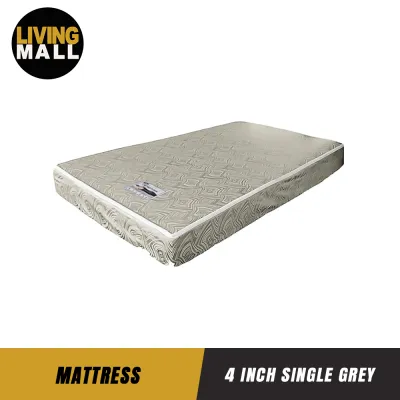
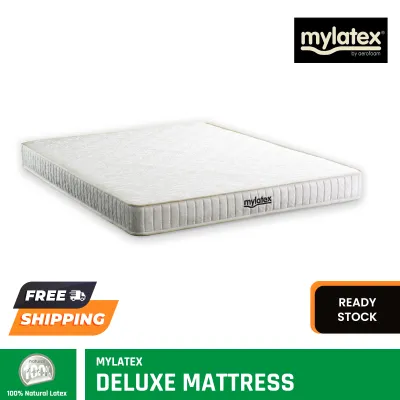
![[INNDESIGN.SG] High Density Foam Single Mattress 4 Inch 5 Inch Single Mattress (Fully Assembled and Free Delivery)(Single/Super Single/Queen/King)](https://img.lazcdn.com/g/p/075aaa1466807dde322bbe9d7e9f034f.jpg_400x400q80.jpg_.webp)

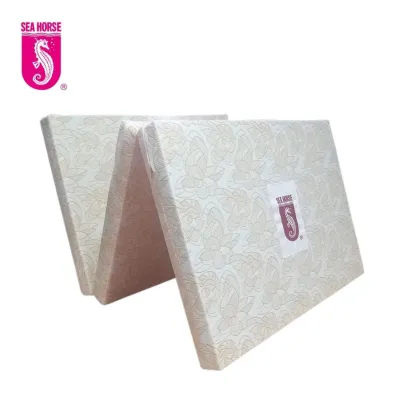

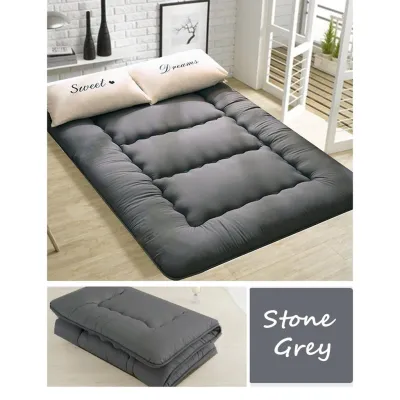
Prices are valid at publication and may change. Please refer to the product page for the latest price.
The primary risk with a thin mattress is “bottoming out.” This occurs when your heaviest body parts, such as your hips or shoulders, compress the foam completely and press against the rigid surface beneath. A mattress that feels like a plush “medium” at 10 inches deep will often feel incredibly soft and bottom out completely at 4 inches, leaving you with no support at all.
Material composition plays a significant role in how this thickness behaves under pressure. Memory foam, for instance, contours closely to the body but tends to soften significantly as it absorbs body heat. In a 4-inch profile, this heat-sensitive softening can cause you to sink rapidly to the base. High-density polyurethane foam or natural latex, on the other hand, provides more immediate pushback and structural integrity, making them more reliable choices for maintaining support in a thin mattress.
Your experience also depends on whether you use the 4-inch mattress as a standalone bed or as a mattress topper. When placed directly over an existing firm mattress, the 4-inch layer acts as a comfort cushion, allowing you to choose a softer feel. As a standalone bed, however, the mattress must handle all your body weight, requiring a denser, firmer construction to remain comfortable.
The base surface underneath plays a critical role in the final feel. Placing a thin mattress on a solid floor or a solid wooden divan base provides a rigid foundation that makes the mattress feel firmer. If you place it on a slatted bed frame, wide gaps between the slats can cause the thin mattress to sag, reducing its support and accelerating wear. To prevent this, ensure the slats are spaced no more than 5 to 7 centimeters apart.
Matching Firmness to Your Sleeping Position
Your sleeping position determines where your body exerts the most pressure, making it the most critical factor when choosing a firmness level for a thin profile.

Side sleepers face the greatest challenge on a 4-inch mattress. This position concentrates your entire body weight onto narrow pressure points at the shoulders and hips. If the mattress is too firm, these joints will bruise and ache; if it is too soft, you will sink straight through to the hard base. For side sleeping, look for a medium-firm high-density foam mattress that offers just enough surface contouring to cushion the joints while maintaining enough structural resistance to keep you suspended. Additionally, using a pillow with the correct loft is crucial to keep your neck aligned while your shoulder sinks slightly into the thin mattress.
Back sleepers distribute their weight more evenly across the mattress surface, but still require targeted support to maintain the natural curve of the lumbar spine. A medium-firm to firm 4-inch mattress is ideal here. It provides enough surface give to accommodate the buttocks while keeping the lower back supported, preventing a hollow gap from forming between your spine and the bed. If the mattress is too firm, it can create uncomfortable pressure points on your tailbone and shoulder blades.
Stomach sleepers require the firmest surface possible, especially on a thin mattress. Sleeping on your stomach naturally coaxes the pelvis to sink forward, which arches the lower back and strains the spine. A soft 4-inch mattress will allow your midsection to sag completely to the floor or slats. To keep your body in a flat, neutral alignment, stomach sleepers should opt for a firm or extra-firm mattress with minimal sinkage, ensuring the chest and pelvis remain on the same plane.
Factoring in Body Weight and Compression
Firmness is highly subjective and depends heavily on your body weight, which dictates how deeply you compress a 4-inch mattress.
Lighter individuals, typically those weighing under 60 kilograms, exert less force on the mattress. They can comfortably use softer or medium-firm 4-inch mattresses without the risk of bottoming out. For these sleepers, a softer foam will still provide adequate contouring and pressure relief because their body weight is not sufficient to compress the thin layer entirely.
Heavier individuals, particularly those weighing over 80 kilograms, will compress a thin mattress much more deeply. If you fall into this category, a soft or standard medium mattress will almost certainly bottom out. To prevent this, look for firm or extra-firm options made from high-density polyurethane foam or natural latex, which offer higher resistance to compression and maintain their shape under load.
Body shape and weight distribution also affect how the mattress compresses. Individuals with broader shoulders or wider hips will experience more concentrated pressure points, requiring careful consideration of foam density to prevent bottoming out. High-density foam, typically rated at 30 kilograms per cubic meter or higher, offers better durability and support than low-density foam, which can degrade quickly under daily use.
When shopping, do not rely solely on generic “soft” or “firm” labels, which are not standardized across brands. Instead, verify the manufacturer’s weight limits and material specifications. Look for high-density foam ratings or firm core constructions, such as high-density support foam bases, which indicate the mattress can handle daily compression without collapsing.
Testing and Verifying Your Choice
Because you cannot fully evaluate a mattress without sleeping on it, a systematic verification process is essential to ensure your 4-inch mattress provides the right support.
Start by reviewing the retailer’s trial periods and return policies before making a purchase. Many online mattress brands offer home trials, but some may charge restocking or delivery fees for returns, especially in Singapore where logistics costs can be high. Ensure you understand the terms, including whether the mattress must be returned in its original packaging or if a protective cover is required during the trial.
Upon delivery, perform a physical check of the mattress. Lay it on your intended sleeping surface and sit on the edge to evaluate its edge support and responsiveness. Press your hand firmly into the center to feel how quickly the material recovers its shape. If the mattress feels flimsy or bottoms out immediately under hand pressure, it is unlikely to support your body weight overnight.
To verify your spinal alignment, have a partner or friend observe your posture while you lie in your typical sleeping position. Your spine should form a straight, neutral line from your neck to your tailbone. If they notice your hips sagging or your shoulders being pushed upward, the mattress firmness is likely incorrect.
Finally, monitor your physical comfort during the first two to three weeks of use. It takes time for your muscles and ligaments to adjust to a new sleeping surface, especially if you are transitioning from a thicker, softer bed to a firmer 4-inch profile. Pay close attention to any morning stiffness, lower back pain, or tingling sensations in your shoulders and hips. Persistent discomfort after a fortnight is a clear sign that the firmness level is incorrect for your sleeping position and body type.
Frequently Asked Questions (FAQ)
Can I use a 4-inch mattress directly on the floor?
Yes, you can use a 4-inch mattress directly on the floor, which provides a very stable and firm foundation. However, this setup limits air circulation beneath the bed, which can trap moisture and lead to mold growth, particularly in humid climates like Singapore. To maintain hygiene, prop the mattress against a wall during the day to let it air out, and vacuum the floor underneath regularly.
Will a firm 4-inch mattress feel too hard?
A firm 4-inch mattress can feel quite rigid, especially when placed on a solid floor or a non-yielding bed base. If you find it too hard but still need the structural support to prevent bottoming out, you can soften the surface feel by adding a plush, thin mattress topper or using a quilted mattress protector. This adds surface comfort without compromising the deep support of the mattress core.
Is a 4-inch mattress suitable for everyday long-term use?
While a high-quality 4-inch mattress made from high-density foam or latex can offer decent support, it is generally not recommended for everyday, long-term use as a primary adult bed. The limited thickness means the materials wear out and compress permanently much faster than standard mattresses. They are best suited for guest rooms, daybeds, children’s rooms, or temporary living arrangements.

Community discussion
Share your experience or ask a question. Comments are reviewed before publication.