
Selecting the ideal firmness for a single bed topper is the most effective way to customize your sleep surface without the expense of buying a new mattress. The correct choice hinges on your dominant sleeping position, which determines how your body weight is distributed and where pressure points develop. A well-matched topper aligns your spine, cushions sensitive joints, and prevents morning stiffness. By understanding how your sleep posture interacts with different materials and density levels, you can make an informed decision that significantly improves your sleep quality.
Identify Your Dominant Sleeping Position and Pressure Points
To choose the right topper, you must first identify your primary sleeping posture. While many people fall asleep in one position, the posture you wake up in is often the most accurate indicator of your dominant style. Spend a few mornings noting your body’s alignment the moment you open your eyes. If you consistently find yourself on your side, your shoulders and hips are bearing the brunt of your body weight throughout the night.
Morning stiffness is another valuable diagnostic tool for locating your pressure points. If you wake up with a dull ache in your lower back, your spine may have lacked support, a common issue for back and stomach sleepers. Conversely, localized numbness or tingling in your shoulders or outer thighs suggests that your current sleeping surface is too hard, compressing the blood vessels in those prominent joint areas. On a single bed (typically 91 cm by 190 cm in Singapore), your body weight is concentrated over a narrower zone than on a larger bed, making targeted pressure relief even more critical.
Products mentioned in this guide
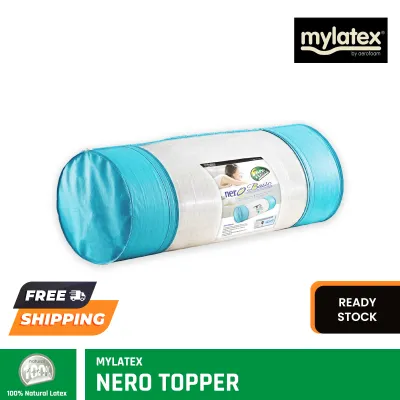
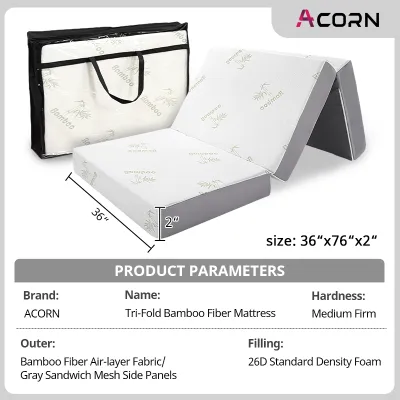
Prices are valid at publication and may change. Please refer to the product page for the latest price.
Match Topper Firmness to Your Sleep Posture
The primary goal of any bed topper is to maintain a neutral spinal alignment, where your ears, shoulders, hips, and ankles align naturally without unnatural bending. Achieving this balance requires matching the firmness of the topper to the specific physical requirements of your sleep posture.

Side Sleepers
Side sleepers require a softer, more forgiving surface to accommodate the sharp curves of the shoulders and hips. When you sleep on your side, these two areas protrude deeply into the bed. If the topper is too firm, these joints experience high pressure, leading to tossing, turning, and poor circulation. Look for manufacturer labels indicating a “plush” or “soft” feel, and prioritize contouring materials like low-density memory foam or natural latex with a lower indentation load deflection (ILD) to fill the gap around your waist and support your flanks.
Back Sleepers
Back sleepers need a balanced medium to medium-firm topper that supports the natural curve of the spine. If a topper is too soft, your hips and pelvis will sink too deeply, creating an unnatural downward curve in your lower back. If it is too firm, the topper will fail to fill the lumbar gap, leaving your lower back muscles tense and unsupported. Look for product descriptions specifying a “medium” or “medium-firm” comfort level that balances surface contouring with a supportive core that pushes back against your body weight.
Stomach Sleepers
Stomach sleeping is highly demanding on the spine, requiring a firm or extra-firm topper to prevent hyperextension of the lower back. When you lie on your stomach, your body weight concentrates around your pelvis and abdomen. A soft surface allows this midsection to sink, arching your back excessively and straining the lumbar vertebrae. To avoid this discomfort, prioritize toppers labeled as “firm” or “extra-firm” that emphasize structural support and resistance over deep sinkage, such as high-density foam or firm Dunlop latex.
Combination Sleepers
If you frequently rotate between your back, side, and stomach during the night, you are a combination sleeper. Your primary challenge is finding a versatile topper that offers enough cushion for your side-sleeping moments while maintaining enough support for when you roll onto your back or stomach. A medium-firm topper is generally the safest compromise. Focus on highly responsive materials, such as open-cell latex or resilient polyfoam, which adapt quickly to your movements and prevent you from feeling “stuck” when changing positions.
Adjust for Your Base Mattress Condition and Body Weight
While your sleeping position is the primary guide, you must also calibrate your choice based on the current state of your existing single mattress. A bed topper is designed to alter the comfort layer of your bed, not to act as a structural replacement. If your current single mattress is exceptionally firm and causing joint pain, a soft, contouring topper can provide the necessary pressure relief. However, if your mattress is already sagging or overly soft, adding a soft topper will only worsen the lack of support; in this scenario, a firmer, high-density topper is required to restore a flat, supportive sleeping surface.
Your body weight and local climate also play crucial roles in how firm a topper actually feels. Lighter individuals (typically under 60 kg) exert less force and may find that medium or firm toppers feel like solid wood, making a softer topper necessary for contouring. Conversely, heavier individuals (typically over 90 kg) compress foam layers deeply and risk “bottoming out” against the hard mattress underneath, requiring a thicker, firmer topper with a higher density. In Singapore’s warm and humid climate, heavy compression in memory foam can trap body heat, making the topper feel softer and warmer over the course of the night; opting for breathable, open-cell structures or natural latex helps maintain a consistent firmness level.
Verify Firmness Through Material Labels and Thickness
To avoid relying on subjective marketing terms, evaluate objective product specifications like material density and the Indentation Load Deflection (ILD) rating. For memory foam, a density of 64 to 80 kg/m³ generally indicates a durable, supportive material that maintains its firmness over time, whereas lower density foams degrade and soften rapidly with regular use.
Thickness is another critical specification that dictates how much the topper will alter your bed’s overall feel. Single bed toppers typically range from 5 to 10 cm in thickness. A 5 cm topper is ideal for minor adjustments, such as adding a touch of softness to a slightly firm mattress. If you need to drastically change the feel of your bed—such as making a rock-hard mattress comfortable for a side sleeper—a 7.5 cm or 10 cm topper is necessary to provide sufficient depth for pressure relief.
Because firmness is subjective, verify the manufacturer’s return policy or sleep trial terms before purchasing. A sleep trial of at least 30 nights allows your body to adjust to the new alignment and ensures you can exchange or return the topper if needed. Additionally, check for practical features like non-slip bottom fabrics or adjustable elastic corner straps. Because single beds are lightweight, a topper without secure anchoring can easily slide out of place when you toss or turn.
Recognize Signs Your Topper Firmness Needs Adjusting
Once your new topper is on your single bed, pay close attention to how your body responds over the first few weeks. While your body requires a transition period to adapt to a new alignment, persistent discomfort is a clear sign that the firmness level is incorrect. Waking up with localized pain is the most common indicator. If you experience numbness in your shoulders or hips, or if you find yourself waking up to stretch your stiff joints, your topper is likely too firm.
Conversely, if you wake up with a dull, aching sensation in your lower back that fades after you stand up, your topper is likely too soft. This ache indicates that your pelvis sank too deep during the night, keeping your spine in a strained, hammock-like position. Another telltale sign of an overly soft or thin topper is “bottoming out,” where you can feel the hard, unyielding surface of the base mattress beneath the topper when you lie down. If you find yourself tossing and turning frequently, or if you feel like you have to physically struggle to roll over, your topper is either too soft or lacks the responsiveness your body needs.
Frequently Asked Questions (FAQ)
Can a single bed topper fix a severely sagging mattress?
No, a bed topper cannot fix a severely sagging mattress. A topper conforms to the shape of the surface beneath it. If your single mattress has a deep dip or a broken spring core, the topper will simply sink into that same depression, failing to provide the flat, supportive surface your spine requires. In this case, replacing the base mattress is necessary for your physical health and sleep quality.
Does a thicker single bed topper always feel softer?
Not necessarily. While a thicker topper provides more space for your body to sink before hitting the mattress, the actual feel depends on the material’s density and firmness rating. A 3-inch high-density, firm latex topper will feel significantly firmer and more supportive than a 2-inch low-density memory foam topper. Always evaluate thickness in combination with the material type and density to determine the true feel.

Community discussion
Share your experience or ask a question. Comments are reviewed before publication.