
Finding the right mattress firmness requires balancing your primary sleeping position, body weight, and personal comfort preferences to keep your spine in neutral alignment. A queen size bed mattress is the standard choice for many main bedrooms in Singapore, offering a versatile footprint that fits comfortably in typical HDB flats and condominiums while providing ample space for individuals or couples. To determine your ideal firmness, you must look beyond generic labels like “soft” or “firm” and evaluate how your body interacts with the comfort layers and support core of the bed. By matching your sleep style and weight to a specific range on the industry firmness scale, you can prevent morning aches and ensure your investment delivers lasting restorative sleep.
Understand the Mattress Firmness Scale
The mattress industry generally rates firmness on a standard 1-to-10 scale, where 1 represents an extremely soft, cloud-like surface and 10 represents a highly rigid, floor-like feel. Most mattresses on the market fall between a 3 (plush) and an 8 (firm). A rating of 4 to 5 is typically classified as medium-soft, while a 6 to 7 is considered medium-firm. Understanding these numbers helps narrow down your options when browsing online or visiting showrooms, but it is important to remember that these ratings are not universally standardized. A “medium” mattress from one manufacturer might feel like a “medium-firm” from another due to differences in material composition, quilting patterns, and regional manufacturing preferences.
Furthermore, you must distinguish between the initial surface feel and the underlying structural support. The comfort layers—usually made of memory foam, latex, or fiber quilting—determine the immediate sensation of softness or firmness when you first lie down. In contrast, the support core—composed of pocketed coils, high-density polyfoam, or thick natural latex—provides the deep upward resistance necessary to keep your spine aligned. A mattress can have a plush, contouring surface layer but still offer robust structural support underneath. When evaluating a queen size bed mattress, always look at both the top comfort layers and the base support specifications to understand how the bed will perform over an entire night of sleep.
Products mentioned in this guide
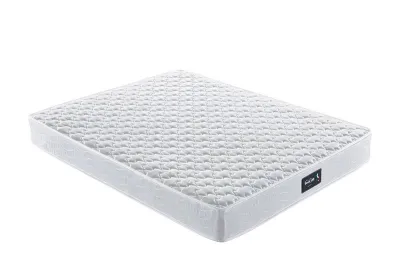
![[INNDESIGN.SG] High Density Foam Single Mattress 4 Inch 5 Inch Single Mattress (Fully Assembled and Free Delivery)(Single/Super Single/Queen/King)](https://img.lazcdn.com/g/p/075aaa1466807dde322bbe9d7e9f034f.jpg_400x400q80.jpg_.webp)

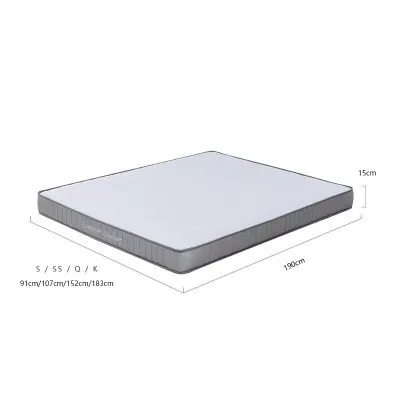
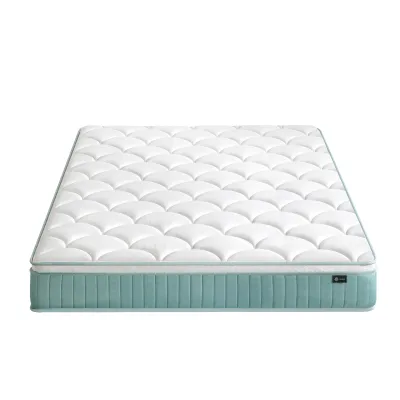
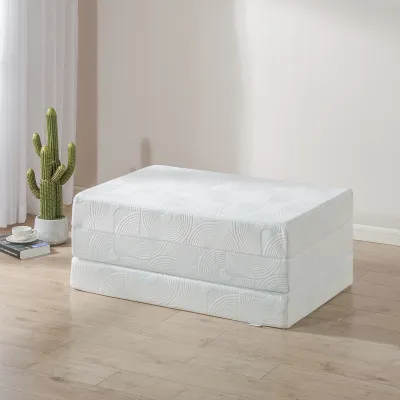
Prices are valid at publication and may change. Please refer to the product page for the latest price.
Match Firmness to Your Primary Sleeping Position
Your sleeping position is the most critical factor in determining how a mattress should contour to your body to maintain a neutral spinal alignment. When you sleep, your spine should maintain its natural curves without twisting or sagging. Different positions place pressure on different parts of the body, requiring targeted levels of resistance and cushioning from your mattress.

Side sleepers typically require a softer to medium mattress, generally falling in the 4 to 6 range on the firmness scale. In this position, the shoulders and hips bear the brunt of the body’s weight. If the mattress is too firm, these high-pressure areas cannot sink in, forcing the spine out of alignment and causing numbness or joint pain. A mattress with a thicker comfort layer allows the shoulders and hips to sink just enough to keep the spine straight from the neck to the lower back.
Back sleepers need a balanced surface that supports the natural curve of the spine, making a medium to medium-firm mattress (rated 5 to 7) the ideal baseline. If the bed is too soft, the pelvis will sink too deeply, causing the lower back to arch uncomfortably. If it is too firm, the mattress will not contour to the lumbar curve, leaving a gap that forces the lower back muscles to remain tense throughout the night. A medium-firm surface provides enough cushion for the buttocks while keeping the lower back properly supported.
Stomach sleepers require a firmer surface, typically in the 7 to 8 range, to prevent their midsection from sinking. When sleeping on the stomach, the hips tend to pull the pelvis downward into the mattress. If the bed lacks sufficient resistance, this “hammocking” effect hyperextends the lumbar spine, leading to severe lower back strain. A firm mattress keeps the hips and shoulders on a relatively level plane, protecting the lower back from unnatural bending.
Combination sleepers, who rotate through multiple positions during the night, should look for a responsive medium mattress (rated 5 to 6). This middle-ground firmness provides enough contouring for side sleeping and sufficient support for back or stomach sleeping. Additionally, combination sleepers should prioritize materials with high responsiveness, such as latex or pocketed coils, which make it easier to turn over without feeling stuck in the comfort layers.
Adjust for Your Body Weight and Type
While your sleeping position provides a baseline, your body weight dictates how deeply you will compress the mattress materials, directly altering how firm the bed actually feels to you. Standard manufacturer firmness ratings are generally calibrated for individuals of average weight, meaning lighter or heavier sleepers must adjust their expectations accordingly.
Lighter individuals (typically under 60 kilograms) exert less downward force on the mattress. Consequently, they often find standard mattresses feel firmer than advertised because they do not compress the comfort layers enough to experience the underlying contouring. For lighter sleepers, a softer mattress (rated 3 to 5) is often necessary to achieve adequate pressure relief, especially when sleeping on their side. Without this extra plushness, the mattress can feel rigid and cause pressure points.
Average weight individuals (between 60 and 90 kilograms) generally find that standard manufacturer recommendations align well with their actual experience. A medium-firm mattress will perform as intended, offering a balanced blend of surface comfort and deep support. If you fall into this category, you can rely more closely on standard sleep position guidelines when selecting your firmness level.
Heavier individuals (over 90 kilograms) exert greater pressure on the mattress, causing them to sink deeper into the comfort layers. This deep sinkage can quickly exhaust the cushioning of a soft mattress, causing the sleeper to bottom out against the hard support core. To maintain proper alignment, heavier sleepers typically require a firmer mattress (rated 7 to 8) or a specialized model featuring high-density foam and robust pocketed coils.
When shopping for a queen size bed mattress, do not rely solely on the surface firmness label. Rather than assuming a material like natural latex or memory foam is inherently durable, check the manufacturer’s density specifications and care instructions to ensure it can withstand Singapore’s humid climate without premature softening. High-density foams and thicker coil gauges offer better structural integrity and resist premature sagging under heavier loads, ensuring the mattress maintains its intended firmness and support over years of use.
Evaluate Comfort Preferences and Partner Needs
Selecting a mattress is not purely a scientific calculation; personal comfort preferences play a major role in how well you sleep. It is vital to distinguish between immediate comfort—the cozy, enveloping feeling when you first lie down—and long-term ergonomic support, which keeps your muscles relaxed and your spine aligned over an eight-hour period. A mattress that feels wonderfully plush for five minutes in a showroom might leave you with a stiff back by morning if it lacks a supportive core.
For couples sharing a queen size bed mattress, finding a single firmness level can be a challenge, especially if partners have different body types or sleeping positions. If one partner is a light side sleeper and the other is a heavier stomach sleeper, a standard compromise might not work. In such cases, couples can explore specialized options. Some manufacturers offer dual-firmness queen mattresses, where each half of the bed is customized with a different firmness level. Alternatively, using an adjustable bed base with compatible flexible mattresses can allow each person to customize their sleeping angle to relieve pressure.
When sharing a bed, secondary factors like motion isolation and edge support become highly important. A mattress with excellent motion isolation, typically achieved through pocketed coils or memory foam, prevents movement from transferring across the bed when one partner tosses or turns. Strong edge support, often reinforced with firmer foam or thicker coils around the perimeter, prevents the edges from sagging when you sit or sleep near the side. This effectively maximizes the usable sleeping surface of your queen size bed mattress, which is particularly beneficial in compact Singaporean bedrooms where space is at a premium.
Test and Verify Before Buying a Queen Size Bed Mattress
Because mattress firmness is highly subjective, verifying your choice through physical testing or a risk-free trial is essential before making a final purchase. If you are testing mattresses in a physical showroom, avoid the common mistake of simply sitting on the edge or lying down for a few seconds. To get an accurate feel, lie down in your primary sleeping position for at least 10 to 15 minutes. Wear comfortable clothing and allow your body to settle into the comfort layers so you can assess whether your spine feels neutral and your pressure points are adequately cushioned.
Before finalizing your purchase of a queen size bed mattress, ensure you measure your bedroom floor space, doorway clearances, and lift dimensions. In Singapore, tight lift lobbies and narrow apartment corridors can make delivering a standard queen size mattress challenging, so verifying these physical dimensions is just as important as choosing the right firmness. Whether you are investing S$500 or S$3,000 in a queen size bed mattress, verifying delivery access prevents costly return fees.
If you are purchasing online, pay close attention to the retailer’s sleep trial and return policies. Many modern mattress brands offer home sleep trials ranging from 90 to 100 nights. This trial period is crucial because your body typically requires a mandatory break-in period of two to four weeks to adjust to a new mattress, and for the mattress materials to settle. Ensure you understand the return conditions, including whether the company provides free pickup or if you are responsible for return shipping fees.
During your trial period, monitor your body for physical signs that the firmness is incorrect. If the mattress is too soft, you may experience a “hammocking” sensation, characterized by a dull ache or stiffness in your lower back upon waking, as your pelvis sinks too deep. If the mattress is too firm, you will likely feel localized pressure points, numbness, or tingling in your shoulders and hips, or find yourself tossing and turning frequently to find a comfortable position. Paying attention to these physical cues will help you decide whether to keep the mattress or exchange it for a different firmness level.
Frequently Asked Questions (FAQ)
Can I change the firmness of my current mattress?
Yes, you can temporarily adjust the surface feel of your current mattress without replacing the entire bed. To make a mattress feel softer and add pressure relief, you can add a high-quality mattress topper made of memory foam, gel-infused foam, or natural latex. Toppers typically range from 5 to 10 centimeters in thickness and can significantly alter the immediate comfort layer. If your mattress feels too soft or is sagging, a topper will not fix the underlying structural failure. In this case, check your bed base or foundation. A sagging slatted frame or an unsupportive divan can cause a mattress to sink; replacing or reinforcing the base can sometimes restore the mattress’s intended firmness.
Is a firmer mattress always better for back pain?
No, a firmer mattress is not universally better for back pain. While older advice often recommended an extremely firm bed, modern sleep ergonomics suggests that a medium-firm mattress generally provides the best balance of support and pressure relief for the average sleeper. An excessively firm mattress can create gaps under the lumbar spine, forcing your back muscles to work overtime to support your body, which can worsen pain. The ideal firmness depends entirely on your sleeping position and body weight. If you suffer from chronic or severe back pain, it is highly recommended to consult a healthcare professional or physical therapist to identify your specific alignment needs before choosing a mattress.

Community discussion
Share your experience or ask a question. Comments are reviewed before publication.