
Finding the perfect king size mattress when sharing a bed with a partner requires balancing two distinct sleep profiles. The ideal solution lies in identifying each person’s sleep position and body weight, then deciding whether a universal medium-firm mattress, a dual-firmness model, or a split king setup best accommodates both needs. By systematically evaluating these factors alongside motion isolation and temperature control, couples can select a mattress that supports spinal alignment for both individuals without forcing either to compromise on comfort.
Assess Your and Your Partner's Sleep Profiles
A person’s weight directly influences how deeply they sink into a mattress. Lighter individuals often prefer a softer surface because they do not exert enough pressure to compress firmer comfort layers, which can lead to shoulder and hip discomfort. Conversely, heavier individuals require a firmer support core to prevent excessive sinkage, which can throw the spine out of alignment and cause lower back pain.
Primary sleep positions dictate specific structural support needs. Side sleepers need a mattress that contours to the shoulders and hips, typically favoring a medium-soft to medium feel to relieve pressure points. Back and stomach sleepers require a flatter, firmer surface to keep the pelvis from sinking too deeply, which maintains the natural curve of the spine. When partners have conflicting sleep positions, their spinal alignment needs naturally diverge.
Products mentioned in this guide
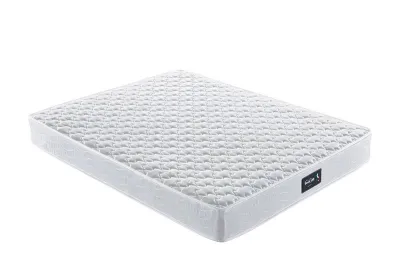
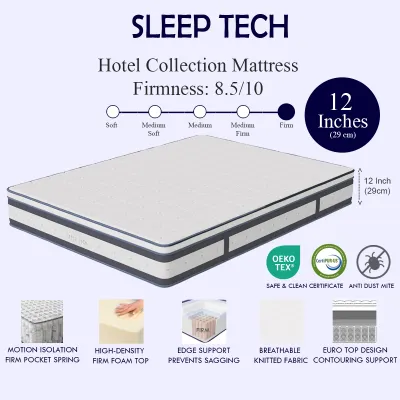
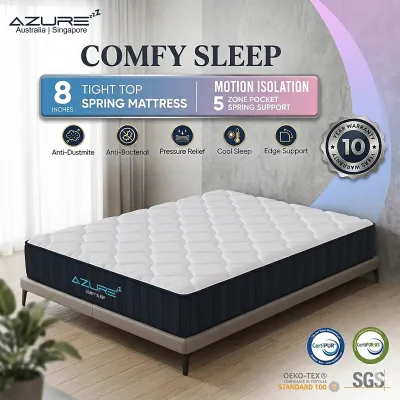
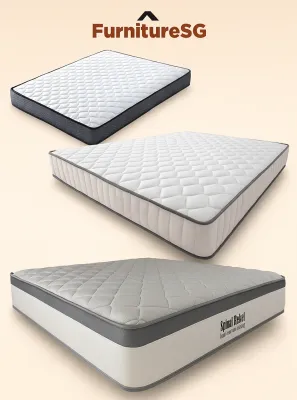
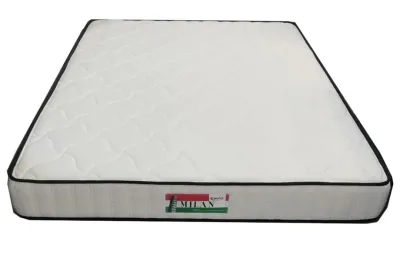
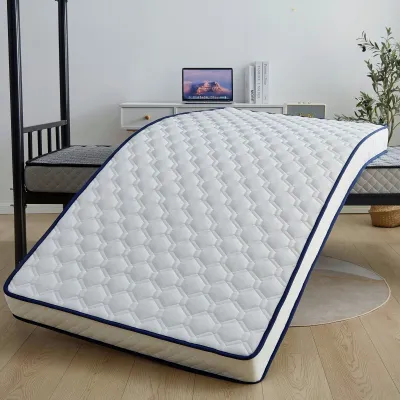
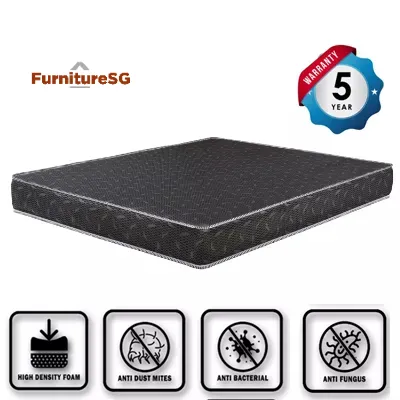
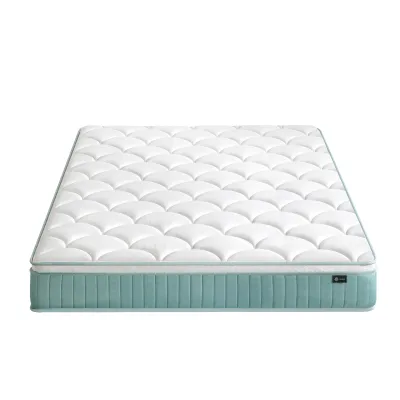
Prices are valid at publication and may change. Please refer to the product page for the latest price.
Sensitivity to nighttime disruptions also shapes the ideal mattress profile. If one partner tosses and turns, the other’s sleep quality depends heavily on the mattress’s ability to absorb movement. Additionally, individual metabolic rates and local humidity levels mean one partner may sleep hot while the other feels cold, making material breathability and thermal regulation critical factors in the overall decision.
Evaluate Firmness Compromise Strategies
For couples with only minor differences in preference, a medium-firm mattress often serves as an excellent baseline. This firmness level, typically sitting in the middle of the standard scale, offers a balanced blend of contouring pressure relief and sturdy upward support. It is versatile enough to accommodate a wide range of body types and sleeping positions, making it the most common starting point for shared beds.

When preferences are highly polarized—such as a dedicated stomach sleeper sharing with a strict side sleeper—a standard uniform mattress may cause discomfort for one partner. In these scenarios, a dual-firmness mattress is a highly effective alternative. These specialized king size mattresses feature two distinct firmness levels side-by-side within a single outer cover, allowing each partner to enjoy customized support without a physical gap in the middle of the bed.
Using a targeted mattress topper to adjust the feel of just one side of the bed is another option. While a topper can successfully soften a mattress that is too firm for one partner, it does introduce structural limitations. It can create an uneven sleeping surface with a noticeable height difference between the two sides, and finding fitted sheets that accommodate this unevenness can be challenging. Additionally, toppers can shift over time, requiring regular adjustment.
Test and Verify the Mattress In-Store or at Home
When shopping for a king size mattress, physical testing is essential to ensure long-term satisfaction. Both partners should visit the showroom together and spend at least ten to fifteen minutes resting in their typical sleeping positions. Avoid simply sitting on the edge or lying down for a brief moment; take the time to transition between positions to see how the mattress responds to joint movement.
Pay close attention to edge support and central stability during your in-store test. A high-quality king size mattress should feel stable across its entire surface, preventing a roll-together effect where both sleepers slide toward the center. Strong edge support is particularly important in space-optimized apartments, as it allows you to sleep right up to the edge of the bed, effectively maximizing the usable sleeping area.
Additionally, before finalizing your purchase, measure your home’s entryways, stairwells, and lift dimensions. A king size mattress is exceptionally large, and ensuring it can physically navigate the delivery path into your bedroom is a crucial step in the buying process.
Because a brief showroom test cannot fully replicate weeks of continuous sleep, always verify the retailer’s sleep trial policy before purchasing. Look for a trial period of at least 100 nights to allow your body to adjust to the new support structure. Carefully check the terms and conditions, including any minimum trial duration before a return is allowed, potential return shipping or restocking fees, and the specific process for mattress collection.
Address Common Partner Sleep Disturbances
Beyond firmness, motion transfer is one of the most common disruptors of shared sleep. To minimize this issue, look for mattresses constructed with individually pocketed coils or high-density memory foam. Unlike traditional interconnected open coils, pocketed coils move independently, absorbing localized pressure and preventing movement from traveling across the expansive surface of a king size bed.
Temperature regulation is another critical factor, particularly in warm and humid climates. Mattresses featuring open-cell foam structures, natural latex, or breathable covers woven with cooling fibers help dissipate body heat and promote airflow. Using separate, lightweight bedding layers can also help partners manage their individual microclimates without affecting the mattress’s core feel.
Finally, ensure your bed frame is structurally equipped to support a heavy king size mattress and two sleepers. A standard king mattress requires a robust frame with a dedicated center support beam and legs that extend to the floor. Without this central reinforcement, even the highest-quality mattress will begin to sag in the middle, compromising its firmness, support, and overall lifespan.
Frequently Asked Questions (FAQ)
Can a king size mattress prevent motion transfer better than smaller sizes?
While the larger surface area of a king size mattress provides more physical distance between partners, size alone does not prevent motion transfer. The primary factor in motion isolation is the internal construction and material composition of the mattress. Individually pocketed spring systems and memory foam layers excel at absorbing movement, whereas traditional open-coil systems will still transfer motion across a large bed.
What if there is a significant weight difference between partners?
When partners have a substantial weight difference, a standard uniform mattress may sag under the heavier partner or feel too rigid for the lighter partner. To address this, look for mattresses with zoned support systems that offer targeted resistance in high-pressure areas. Choosing a high-density support core or a dual-firmness configuration ensures both individuals receive the correct level of spinal alignment and pressure relief.
Is a split king mattress a good alternative for different firmness needs?
A split king mattress, which consists of two separate twin extra-long mattresses placed side-by-side on a single frame, is an excellent solution for couples with completely different firmness preferences. This setup offers total independence in firmness selection and eliminates motion transfer entirely. However, it does require purchasing specialized split-king bedding, and some couples find the physical gap in the center of the bed undesirable.

Community discussion
Share your experience or ask a question. Comments are reviewed before publication.