
A medium-firm to firm level typically works well for a foldable single mattress. This range provides the necessary structural support to bridge the physical gaps created by folding seams while remaining comfortable for temporary or daily use. Because foldable mattresses are segmented into bi-fold or tri-fold designs, a mattress that is too soft will sag at the hinges, causing your body to sink through to the floor. Conversely, an excessively hard mattress can feel unforgiving, especially when placed directly on tiled or vinyl floors common in space-conscious apartments. Balancing portability, storage, and sleep quality requires understanding how your sleep position, body weight, and the mattress’s physical construction interact.
How Folding Seams Impact Support and Comfort
When a mattress is designed to fold, it relies on fabric hinges or deep cuts in the foam core to allow the segments to stack neatly. While this design is excellent for saving space in smaller rooms or guest areas, these seams represent inherent structural weak points when the mattress is fully unfolded. When you lie down, your body weight is not distributed across a continuous block of foam; instead, it presses against independent segments joined by flexible seams.
If the foam core is too soft, the segments will compress unevenly under your heaviest areas, such as your hips and shoulders. This uneven compression causes the folding joints to widen, creating noticeable gaps and localized pressure points. You may feel as though you are sinking directly into the cracks, which can disrupt your sleep and lead to physical discomfort.
Products mentioned in this guide
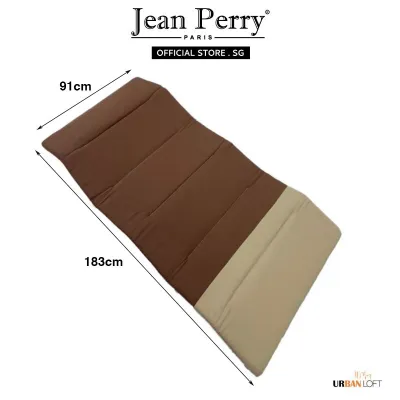
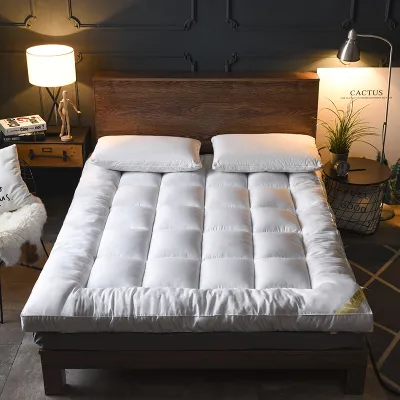
![[1-2 day delivery] Foldable Foam Mattress 3-Fold Mattress](https://img.lazcdn.com/g/ff/kf/Se38f308a460b4ba3aef73a3da6703c621.jpg_400x400q80.jpg_.webp)
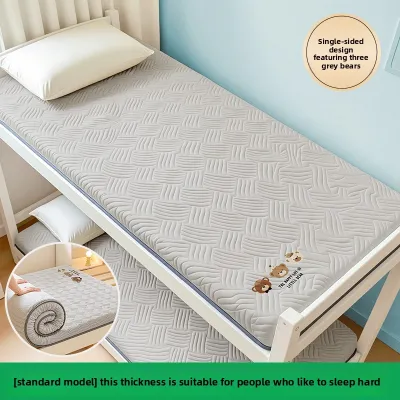
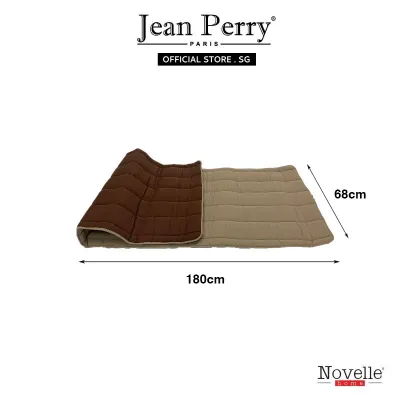
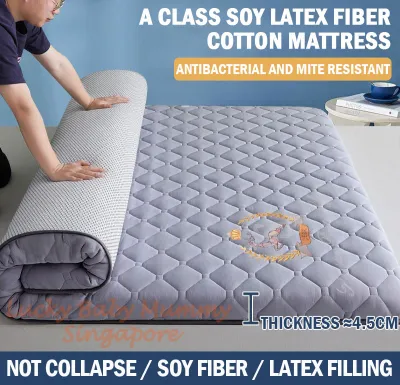
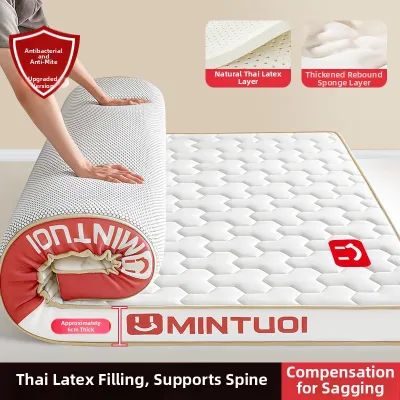
Prices are valid at publication and may change. Please refer to the product page for the latest price.
A firmer foam core acts as a structural bridge, distributing your body weight more evenly across the entire surface. By resisting deep compression, firm foam keeps the segments aligned and maintains a flat, continuous sleeping surface across the folding joints. This prevents the seams from separating under pressure, ensuring that your spine remains supported throughout the night.
The relationship between mattress thickness and perceived firmness is also critical when dealing with folding seams. A thin foldable mattress, such as one measuring 2 to 3 inches, has very little material to cushion your body from the floor. In these thin models, a high level of firmness is essential to prevent your body from bottoming out. Thicker models, ranging from 4 to 6 inches, offer more physical buffer, but they still require a supportive core to prevent the deep folding crevices from swallowing your pressure points.
Diagnosing Your Ideal Firmness Needs
To determine the right firmness for your needs, you must evaluate your personal sleeping habits and physical signals. A foldable single mattress is often used for guests, children, or temporary living arrangements, but comfort should not be compromised. Start by identifying your primary sleeping position, as this dictates how your body weight aligns with the mattress’s folding seams.

You can also use your physical sensations upon waking as a diagnostic tool. Waking up with stiffness in your lower back often indicates that the mattress is too soft, allowing your midsection to sag into a seam and throwing your spine out of alignment. On the other hand, waking up with sore joints, particularly in your shoulders and hips, suggests the mattress is too firm and lacks the necessary contouring to relieve pressure.
Your body weight is the primary force acting on the foam layers. Lighter individuals, such as children or petite adults, exert less downward pressure and may find a firm folding mattress feels like a solid board because they do not compress the foam enough to engage the comfort layers. Conversely, heavier individuals will compress soft foam entirely, pressing straight through the mattress and feeling the hard floor beneath, making a firmer density necessary.
Signs You Need a Firmer Folding Mattress
If you primarily sleep on your back or stomach, a firmer folding mattress is highly recommended. These sleeping positions require a stable, level surface to keep your spine in a neutral alignment. If the mattress is too soft, your pelvis will sink deeper than your shoulders and legs, especially if a folding seam is positioned directly under your lower back, leading to chronic morning stiffness.
Heavier individuals also require a firmer folding mattress to ensure adequate support. When testing a foldable mattress, pay attention to whether you can feel the floor when sitting up, kneeling, or shifting positions. If you easily bottom out during these movements, the foam density is insufficient for your weight, and you will need a firmer, more supportive core to maintain comfort.
Signs You Need a Softer Folding Mattress
Side sleepers generally benefit from a slightly softer, medium-firm folding mattress. When you sleep on your side, your shoulders and hips concentrate your body weight onto a very small surface area. If the mattress is too rigid, these joints bear the brunt of the impact, which can restrict circulation and cause you to toss and turn throughout the night. A softer comfort layer allows these protruding areas to sink in just enough to distribute pressure.
Lighter individuals who weigh less than average should also opt for a softer or medium-firm model. Because their bodies do not exert enough downward force to compress high-density firm foam, a rigid mattress will offer no contouring, leading to discomfort. For these sleepers, a softer surface provides the necessary cushioning without sacrificing the overall integrity of the folding segments.
Checking Construction and Material Specifications
When shopping for a foldable single mattress, look closely at the product specifications rather than relying solely on marketing terms. A durable foldable mattress typically features a dual-layer construction. This design combines a high-density polyurethane foam base for structural integrity with a thinner, softer memory foam or latex comfort layer on top. This combination ensures the mattress can withstand repeated folding without the seams tearing or the foam losing its shape.
Inspect the cover material and the quality of the stitching around the hinges. The cover fabric must handle significant tension when the mattress is repeatedly folded and unfolded. Look for durable, stretchable fabrics like polyester blends or bamboo-derived knits, and ensure the seams are reinforced. If the cover is too tight or poorly stitched, it can pull the mattress segments apart when unfolded, widening the gaps between the foam blocks.
Finally, verify the manufacturer’s stated firmness rating and thickness against your spatial constraints. While a thicker 6-inch mattress generally offers enhanced comfort, it will also be bulkier and heavier to fold, carry, and store. Measure your storage space—such as under a bed frame, inside a wardrobe, or in a utility closet—to ensure the folded dimensions fit your home layout, balancing physical comfort with practical storage needs.
Testing Your Mattress and Making Adjustments
To properly test your new foldable single mattress, set it up on the exact surface you plan to use. If you place it directly on the floor, ensure the surface is completely flat and free of debris, as uneven tiles or floorboards can distort the mattress’s support. Spend at least a few nights sleeping on it to let your body adjust to the segmented design.
If you find the mattress is slightly too firm, you can easily modify it by adding a removable single mattress topper. This adds a layer of plushness to relieve pressure points without requiring you to replace the entire mattress. If the mattress feels too soft, placing a solid wooden board or a non-slip mat underneath can provide a firmer foundation and prevent the segments from sliding apart.
Before purchasing, always verify the retailer’s return and exchange policies. Because folding mechanisms can feel different at home than in a showroom, look for brands that offer a trial period or a flexible exchange policy. Ensure you understand the conditions for returns, such as keeping the original packaging or using a mattress protector during the trial.
Frequently Asked Questions (FAQ)
Can I use a mattress topper to change the firmness of my foldable mattress?
Yes, a mattress topper is an effective way to add surface plushness to a foldable mattress that feels too firm. However, a topper cannot fix a mattress that is too soft or sagging at the seams; if the underlying foam core lacks support, adding a topper will only follow the contour of the sag. Keep in mind that a separate topper adds bulk, which can complicate storage and defeat the space-saving purpose of a foldable mattress, as you will need to store the topper separately since it cannot fold up inside the mattress.
Does a thicker foldable mattress always feel firmer?
Not necessarily. Thickness and firmness are two distinct characteristics. A mattress’s thickness refers to its physical height, while firmness is determined by the density and composition of the foam layers. A thick 6-inch mattress made of low-density, cheap foam can feel much softer and sag faster at the folding hinges than a high-quality, high-density 3-inch mattress. When comparing options, check the foam density specifications rather than just the thickness to gauge how supportive and durable the mattress will actually be over time.

Community discussion
Share your experience or ask a question. Comments are reviewed before publication.