
Selecting the right felt protector is the simplest yet most critical step in preserving both your flooring and your furniture. The ideal choice depends on three main variables: the weight of the furniture, how often it is moved, and the material of the legs. By matching these factors to the correct protector size, thickness, and attachment method, you can prevent costly floor scratches, eliminate scraping noises, and maintain the stability of your household items.
In a warm, high-humidity climate, adhesive performance and material degradation are key considerations. Standard adhesives can soften or slide under heavy loads or high moisture levels, making a systematic selection process essential. This guide provides a clear decision framework to help you evaluate your furniture and select the exact felt protectors required for long-term floor preservation.
How Furniture Weight and Movement Dictate Your Choice
Furniture pieces interact with your flooring in two distinct ways: through dynamic movement or static load. High-movement items, such as dining chairs, bar stools, and study chairs, are shifted multiple times a day. This constant sliding creates lateral friction, which quickly shears off weak adhesives or wears down low-density felt. These pieces require high shear resistance and a secure attachment method to stay centered.
Products mentioned in this guide
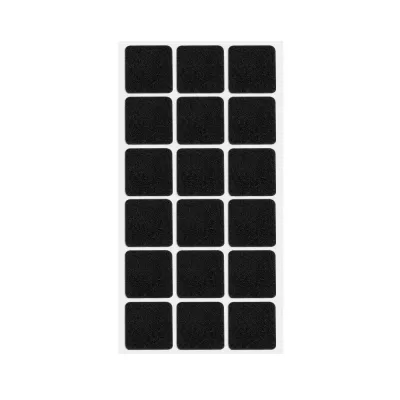
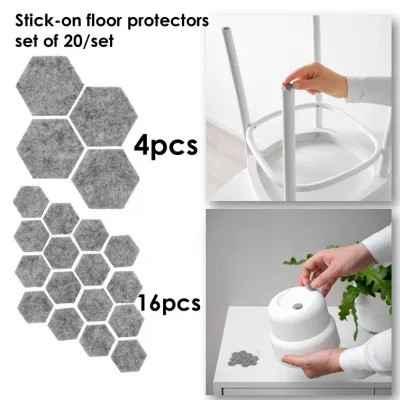
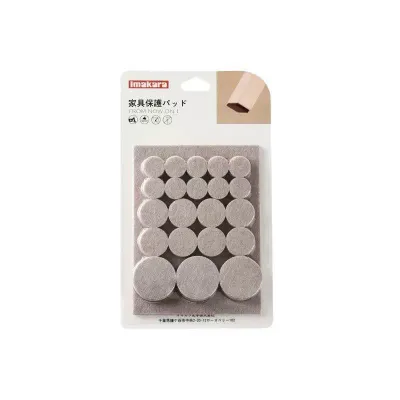
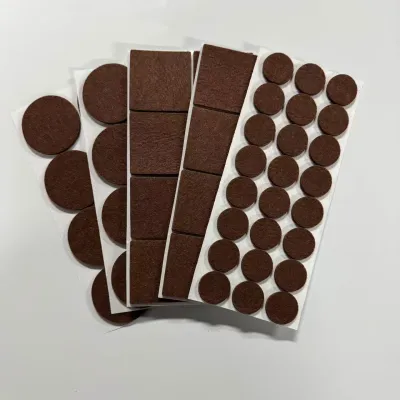
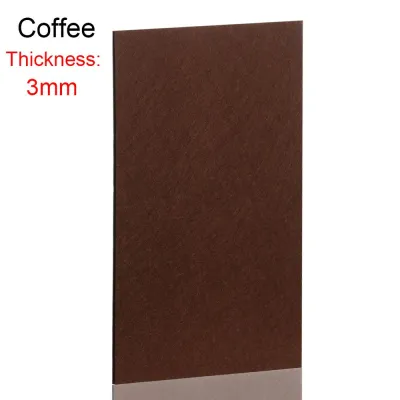
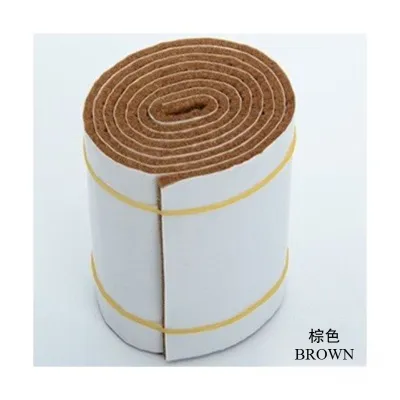
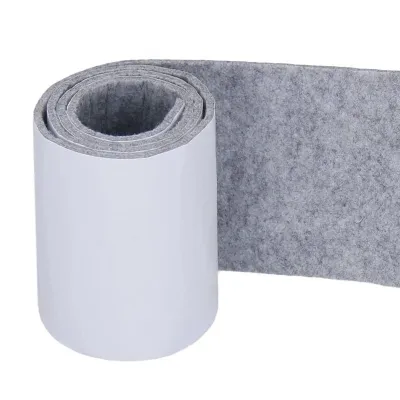
Prices are valid at publication and may change. Please refer to the product page for the latest price.
In contrast, stationary heavy items like bookshelves, display cabinets, and wardrobes exert continuous downward pressure on a single spot. These items rarely move, but their sheer weight can compress standard felt pads until they are paper-thin. Once compressed, the felt loses its cushioning, allowing the leg or hardware to press directly into the floor. For stationary heavy furniture, the priority is load distribution and high-density material that resists long-term compression.
The material of the furniture leg also dictates the type of protector you can use. Metal legs, often hollow, require protectors that grip a narrow rim or fit inside the tube. Finished wood legs accept adhesive pads well but are vulnerable to finish damage if a highly aggressive adhesive is removed later. Raw or rough-textured wood legs lack the smooth surface necessary for adhesive bonding, making mechanical fasteners like tap-on or screw-in glides far more reliable. Plastic legs often require slip-on silicone caps with integrated felt bases, as adhesives struggle to bond with low-surface-energy plastics.
Using the incorrect protector type carries significant risks. Applying a thin, low-density felt pad to a heavy dining table, for instance, leads to rapid flattening within weeks. As the table is nudged, the compressed felt can trap abrasive grit, scratching polished timber or delicate vinyl floors. Understanding these physical dynamics ensures you select a protector designed for the specific mechanical demands of each furniture piece.
Core Selection Criteria: Size, Thickness, and Attachment
To choose a reliable felt protector, evaluate three core specifications: physical dimensions, material density, and the attachment mechanism. These three variables determine how well the protector fits, how long it lasts under load, and how securely it remains attached to the furniture leg.

Accurate measurement is the foundation of a successful installation. For round furniture legs, use a caliper or a standard ruler to measure the exact diameter of the flat base. For square or rectangular legs, measure both the width and the depth of the contact surface. For tapered or angled legs, measure the portion making contact with the floor when upright.
When reviewing product packaging or specifications, look for indicators of material density rather than simple thickness. High-density felt feels firm to the touch and does not easily compress when pinched between your thumb and forefinger. Low-density felt, which is often soft and spongy, is only suitable for very light decorative items. Checking the manufacturer’s weight guidelines or density ratings helps ensure the protector can withstand the specific load of your furniture without collapsing.
Matching Size and Shape to Furniture Legs
A primary rule of thumb when sizing felt protectors is that the pad should match the shape of the leg base or be slightly smaller—by about one to two millimeters. The protector should never overhang the edges of the furniture leg. An overhanging felt edge quickly collects dust, pet hair, and floor debris, creating an unsightly dark ring around the bottom of the leg. Exposed adhesive on an overhanging pad can also stick to the floor, leaving dirty residues.
For furniture with irregular, angled, or highly tapered legs, standard pre-cut circular or square pads may not fit correctly. In these cases, purchasing customizable felt sheets that you can cut to shape with heavy-duty shears is highly effective. Alternatively, specialized slip-on protectors with flexible silicone bodies can stretch to accommodate unusual leg profiles, ensuring the felt base remains flat against the floor even if the leg meets the ground at an angle.
Determining the Right Thickness and Density
The thickness of a felt protector must be balanced against the weight of the furniture to maintain stability. Heavy furniture requires thicker, high-density felt (typically four to six millimeters) to provide adequate cushioning under high static pressure. This prevents the leg from bottoming out and making direct contact with the floor.
However, using excessively thick or soft felt on lightweight chairs can introduce unwanted instability. If a light dining chair is fitted with very thick, spongy pads, it may wobble or feel insecure when a person sits down, especially on slightly uneven tile or timber floors. For lightweight, high-movement chairs, a medium thickness of two to three millimeters combined with high density offers the best balance of floor protection, smooth sliding, and structural stability.
Adhesive vs. Non-Adhesive and Alternative Attachments
Choosing how the felt protector attaches to the furniture leg is critical for long-term performance. Self-adhesive backing is the most common and convenient option, performing exceptionally well on smooth, clean, and flat surfaces such as finished wood, metal, or smooth plastic. However, in warm and humid environments, standard adhesives can degrade over time, causing the pads to slip sideways and leave sticky residue on your floors.
For delicate, antique, or highly valuable unfinished wood furniture, aggressive adhesives should be avoided. Adhesive chemicals can penetrate wood fibers or strip delicate finishes when the pad is eventually removed. For these items, non-adhesive slip-on caps or wrap-around fabric sleeves provide excellent protection without risking permanent damage to the wood’s surface or finish.
For heavy, frequently moved wooden furniture, mechanical attachments like tap-on or screw-in felt glides offer a far more permanent and secure solution. These glides feature a metal or plastic base with an integrated felt pad, secured to the leg via a small nail or screw. While they require drilling a small pilot hole, they completely prevent the protector from sliding off.
Felt Protector Selection Matrix by Furniture Type
To simplify your selection process, use this targeted matrix to match specific furniture categories with their ideal protector profiles based on observable household conditions.
Dining Chairs & Stools
Dining chairs and bar stools experience the highest frequency of movement and lateral stress. For these items, select high-density, medium-thickness (two to three millimeters) felt protectors. Because these chairs are dragged daily, standard adhesive pads can easily fail. Opt for heavy-duty self-adhesive pads with reinforced acrylic backing, or choose slip-on silicone caps with fused felt bases. For solid wood chairs, screw-in felt glides provide a durable connection that never slips out of alignment.
Heavy Tables & Desks
Dining tables, study desks, and heavy workbenches exert significant static pressure and are occasionally shifted for cleaning or rearranging. These pieces require large-diameter, high-thickness (four to six millimeters) felt pads to distribute the weight across a wider surface area. For heavy tables, tap-on or screw-in glides prevent the felt from shifting when pushed. If using adhesive pads, ensure the leg surface is perfectly flat and clean, and select a high-density felt that resists flattening under heavy, continuous loads.
Cabinets, Dressers & Bookshelves
Storage furniture like wardrobes, bookshelves, and dressers are heavy, stationary, and rarely moved. The primary goal here is long-term load-bearing capacity and floor protection against deep indentations. Choose extra-thick, high-density felt pads or heavy-duty tap-on glides. While lateral shear is low for these items, the risk of complete felt compression is extremely high. Check the manufacturer’s specifications to verify that the protectors are rated for heavy static loads before positioning these massive furniture pieces.
Sofas & Beds
Sofas, armchairs, and beds support both the heavy static weight of the furniture frame and the dynamic weight of people sitting or lying down. This combined load can easily crush standard felt pads. For these items, use wide-base caster cups lined with high-density felt, or large-diameter tap-on glides. For wide, block-style legs, apply multiple heavy-duty adhesive pads to distribute weight evenly. This prevents the felt from bottoming out and ensures the heavy frame does not dent or scratch your flooring during sudden movements.
Installation Steps and Replacement Signals
Proper installation and regular maintenance are essential to ensure your felt protectors perform as intended and do not cause accidental damage to your floors.
To install adhesive protectors correctly, start by preparing the bottom of the furniture leg. Clean the surface with a damp cloth and a mild degreasing agent, such as rubbing alcohol, to remove any dust, wax, polish, or old adhesive residue. Allow the wood or metal to dry completely before proceeding. Once dry, peel the backing from the felt pad, taking care not to touch the adhesive surface with your fingers. Press the pad firmly onto the center of the leg base, applying strong pressure for thirty seconds to activate the bond.
After applying adhesive protectors, allow the adhesive to cure before subjecting the furniture to heavy use or sliding. Ideally, let the furniture sit undisturbed for twenty-four hours. This allows the adhesive bond to reach maximum strength, reducing the likelihood of the pad shifting when moved.
Felt protectors are not permanent fixtures and will wear out over time. You should inspect them every six months for observable signs of wear. Replace the protectors immediately if you notice severe flattening, peeling or lifting edges, or if the felt has become hard and compacted. Over time, felt traps abrasive grit; if the pad looks dirty or feels rough, replace it immediately. Another clear signal for replacement is any new scraping or dragging sound when moving the furniture.
When replacing old adhesive pads, safely remove the worn protector and clean off any remaining sticky residue. You can soften stubborn adhesive residue using a small amount of mineral oil or a gentle adhesive remover applied to a cloth. Avoid harsh chemical solvents or sharp metal tools that can scratch the finish or wood. Once the residue is completely cleared and the surface is dry, you can safely apply a fresh felt protector.
Frequently Asked Questions (FAQ)
Can I use felt protectors on vinyl or laminate flooring?
Yes, felt protectors are highly suitable and recommended for vinyl, luxury vinyl tile (LVT), and laminate flooring. These floor types are susceptible to scuffs and scratches from hard plastic or metal furniture glides. Because some vinyl and laminate finishes react with adhesive solvents, monitor the installation closely. For these surfaces, slip-on silicone caps or mechanical tap-on glides are excellent alternatives that eliminate adhesive contact. Always check your flooring manufacturer’s specific care guidelines to ensure compatibility.
How do I clean felt protectors without removing them?
You can extend the life of your felt protectors by regularly removing trapped dust, pet hair, and loose debris. Use a vacuum cleaner with a soft brush attachment to gently vacuum around the base of the furniture legs. For stubborn hair or lint, a lint roller or soft-bristled brush can lift the debris. Avoid using excessive water or harsh chemical cleaners directly on the felt, as moisture can seep into the adhesive backing, weakening the bond and causing the protector to slide off the furniture leg.

Community discussion
Share your experience or ask a question. Comments are reviewed before publication.