
Selecting the right felt pad depends on the intersection of your furniture leg shape, floor material, and movement frequency. Adhesive pads work well for flat-bottomed legs on standard hard floors, slip-on caps secure rounded or irregular legs, and nail-on or screw-on options provide a strong hold for heavy, frequently moved items. Matching the right pad to your specific setup prevents surface damage and extends the lifespan of both your furniture and your flooring.
In environments with high humidity or dust, choosing the correct attachment method becomes even more critical. Moisture can weaken standard adhesives, while fine grit can accumulate under the legs, acting like sandpaper if not properly managed. Understanding the physical constraints of your furniture and floors is the first step toward long-term protection.
Assess Your Furniture and Floor Requirements
Before purchasing any floor protectors, examine the bottom of your furniture legs to identify their shape and material. Flat wooden legs offer a broad, stable surface area, whereas thin metal tubes or angled legs present a much smaller contact point. Irregular or tapered legs require specialized solutions, as standard flat pads will not remain centered.
Products mentioned in this guide
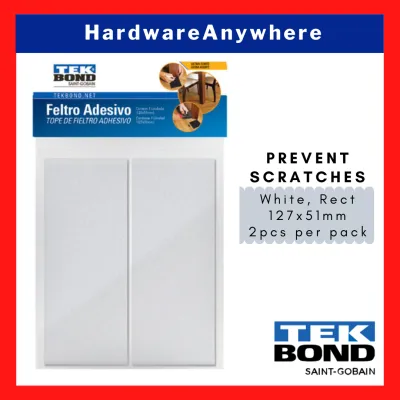
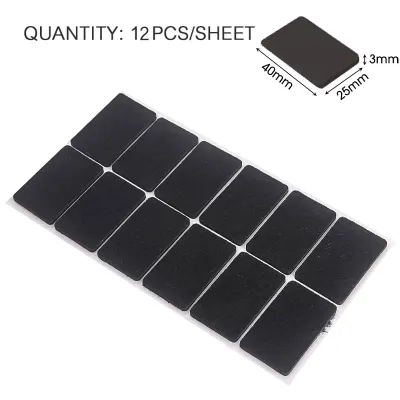
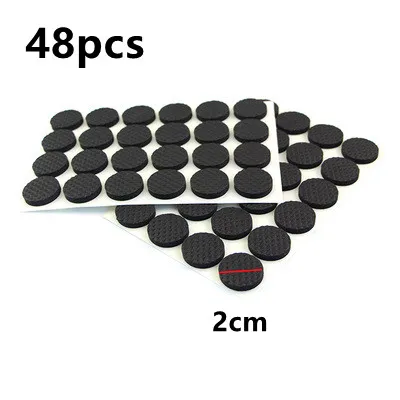
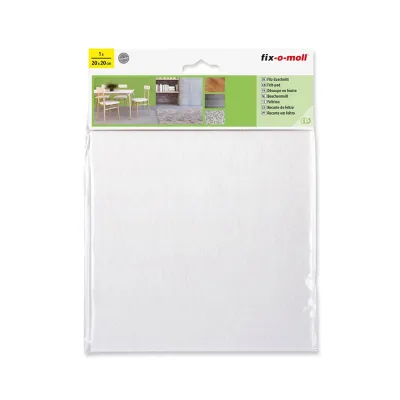
Prices are valid at publication and may change. Please refer to the product page for the latest price.
Next, identify your flooring material and check the manufacturer’s care guidelines. Hardwood and engineered timber are susceptible to surface scratches from trapped grit and debris. Vinyl and laminate are resilient but can still suffer from micro-abrasions or deep gouges under heavy, concentrated loads. Tile floors are harder but have grout lines that can snag poorly fitted pads.
Assess how often the furniture moves and the weight it supports. Dining chairs slide multiple times a day, creating continuous friction that tests the durability of any pad. Heavy sideboards, beds, or cabinets remain stationary but exert high, concentrated pressure on small areas, requiring dense cushioning to prevent deep indentations.
When assessing legs, check if they are structurally sound. A loose leg joint can cause the leg to sit at an angle, which unevenly wears down any felt pad you apply. Ensuring the furniture is stable and level before applying protectors prevents premature wear and keeps the pads flat against the floor.
Consider the local environment and household habits. In warm, humid climates, dust and grit cling to surfaces more easily, turning a simple slide into an abrasive action if the leg is unprotected. Keeping these factors in mind allows you to select a pad that matches your specific household dynamics.
Compare Felt Pad Attachment Types
Selecting the right attachment method ensures the pad stays centered under load and does not slide off during movement. The three primary options—adhesive, slip-on, and mechanical fasteners—each suit different leg designs and usage levels. Always check the manufacturer’s packaging for specific weight limits and surface compatibility rather than relying solely on material descriptions.

Adhesive Felt Pads
Adhesive felt pads are the most common and accessible option for household furniture. They feature a peel-and-stick backing that adheres directly to the bottom of flat, smooth wooden or metal legs. These pads are easy to install and replace, making them a popular choice for quick household updates.
To ensure a long-lasting bond, thorough surface preparation is essential. Clean the bottom of each leg with a mild degreaser or rubbing alcohol to remove dust, old wax, and manufacturing oils, then allow it to dry completely before applying the pad. Press the pad firmly in place to activate the adhesive.
These pads perform poorly on textured, porous, or heavily curved surfaces where the adhesive cannot make full contact. Over time, lateral forces from sliding the furniture can cause the adhesive to slide off-center, leaving a sticky residue on your floor that attracts dust and hair.
Slip-On Felt Caps
Slip-on felt caps offer a flexible solution for challenging leg shapes, such as rounded, tapered, or angled metal legs. These caps feature a flexible silicone or rubber sleeve that stretches over the leg, holding a felt base securely against the floor. They provide a clean look and prevent the metal edges of the legs from contacting the floor.
Achieving a proper fit requires precise measurement of the leg’s bottom diameter or width. A cap that is too loose will slide off when the chair is moved, while one that is too tight may split or tear during installation. Use a caliper or a flexible measuring tape to get an accurate reading before purchasing.
Regularly inspect the flexible housing for signs of degradation, especially in warm or humid conditions. Over time, the silicone can stretch, crack, or collect dust, reducing its grip. Replacing worn caps promptly ensures the metal leg does not break through the protective sleeve and scratch the floor.
Nail-On and Screw-On Pads
Nail-on and screw-on felt pads provide a permanent, heavy-duty attachment method for solid-wood furniture. They are frequently recommended for dining chairs, bar stools, and heavy tables that experience daily movement. Because they are mechanically fastened, they do not suffer from adhesive failure.
Installation requires mechanical fastening, which involves drilling a small pilot hole or carefully hammering the glide into the center of the leg. Before proceeding, verify that the wooden leg is thick enough to accept the fastener without splitting and does not contain an internal metal support core.
While these fasteners offer a strong mechanical hold and will not slide off under lateral pressure, they do leave permanent holes in the furniture. If you decide to remove or replace them, you must fill the holes or use the same mounting points for the new pads to maintain stability.
Determine the Right Size and Thickness
Selecting the correct dimensions for your felt pads is critical to maintaining both floor protection and furniture stability. The pad should match the shape of the leg base as closely as possible, covering the entire contact area. A pad that is too small will concentrate weight on a tiny area, reducing its effectiveness.
Aim for a pad diameter or width that is flush with or slightly smaller than the bottom of the leg. If the pad extends beyond the edges of the leg, it can catch on rugs, collect dust, or peel away when the furniture is moved. For square legs, square pads are preferred, while round pads work best for circular legs.
For legs that are not perfectly round or square, such as oval or triangular bases, you can purchase larger adhesive felt sheets and cut them to size using heavy-duty shears. This custom-cut approach ensures complete coverage without any overhang, maintaining the clean lines of your furniture while providing tailored protection.
Thickness is another vital factor that depends on the weight of the furniture and the vulnerability of the flooring. Heavy items like sofas, wardrobes, and dining tables require thicker, high-density felt pads to distribute weight and prevent the leg from compressing the pad completely.
For lighter items on hard tile floors, thinner pads are often sufficient to prevent minor scratches without raising the furniture noticeably. Softer flooring materials, such as engineered timber or soft wood, benefit from thicker pads that cushion the impact of daily use.
Never stack multiple adhesive felt pads to increase height or thickness. Stacking creates an unstable, squishy base that easily wobbles, leading to uneven weight distribution, rapid adhesive failure, and a potential tipping hazard for the furniture. If you need more height, select a single pad designed with the correct thickness.
Installation and Maintenance Checklist
Proper installation and ongoing maintenance are key to ensuring your felt pads protect your floors over the long term. Follow this checklist to keep your furniture moving smoothly and safely:
- Prepare the surface: Sand away any rough wood splinters or old adhesive residue from the bottom of the furniture leg. Wipe the area clean with a damp cloth and allow it to dry completely.
- Apply the pad: For adhesive pads, press firmly for at least thirty seconds to activate the bond. For nail-on or screw-on pads, drill a straight pilot hole to guide the fastener and prevent the wood from splitting.
- Inspect regularly: Establish a monthly routine to check the condition of the felt. Look for embedded debris such as grit, sand, or pet hair, which can turn the soft felt into an abrasive surface that scratches your floors.
- Monitor wear: Replace any pads that have become flattened, hardened, or shifted off-center. Once the felt loses its cushioning properties, it no longer provides adequate protection.
- Know when to seek help: If you are dealing with antique, fragile, or highly valuable furniture, avoid DIY drilling or hammering. Consult a professional furniture restorer to find a non-invasive protection method that preserves the integrity of the piece.
Frequently Asked Questions (FAQ)
Can I use standard felt pads on outdoor furniture or patio floors?
Standard indoor felt pads are not designed to withstand outdoor environments. Exposure to moisture, rain, and high humidity will quickly degrade the felt fibers and cause the adhesive backing to dissolve or peel away. Additionally, UV exposure can weaken plastic or silicone housings on slip-on caps. For outdoor furniture on patios or balconies, check manufacturer labels for weather-resistant glides made of durable plastics, rubber, or specialized outdoor-rated materials that resist moisture absorption.
Do felt pads prevent dents on vinyl and laminate flooring?
Felt pads are effective at preventing surface scratches and scuffs, but they cannot prevent structural dents caused by heavy, concentrated weight. On resilient flooring like vinyl or laminate, heavy items—such as pianos, large bookcases, or heavy appliances—can compress the floor’s core layer regardless of the felt pad. To prevent denting, use wider, load-distributing furniture cups or specialized caster cups that spread the weight over a larger surface area, reducing the pressure on any single point.

Community discussion
Share your experience or ask a question. Comments are reviewed before publication.