
The choice between silicone and felt chair leg covers depends on your specific flooring material, how often the furniture is moved, and your home’s environmental conditions. Felt covers excel at providing smooth, quiet gliding on hard, dry surfaces like hardwood and laminate, while silicone covers offer a secure, form-fitting grip that protects against moisture and holds tight on uneven surfaces like tiles.
To make the right choice for your home, you must evaluate your floor’s vulnerability to scratches, the shape and size of your chair legs, and local environmental factors—such as high indoor humidity, which can affect adhesive backings and trap moisture. By matching the right protective material to your floor type, you can prevent costly surface damage and keep your furniture moving quietly.
Assessing Your Floor Type and Furniture Usage
Before selecting a chair leg cover, you must identify the specific vulnerabilities of your flooring. Hardwood floors, such as parquet, are highly susceptible to scratching, denting, and moisture damage. Laminate flooring is also sensitive to surface scratches and can swell if moisture seeps into the seams between planks. Ceramic, porcelain, or homogenous tiles are highly durable and scratch-resistant, but they feature grout lines that can snag thin protectors and cause chairs to wobble or scrape.
Products mentioned in this guide
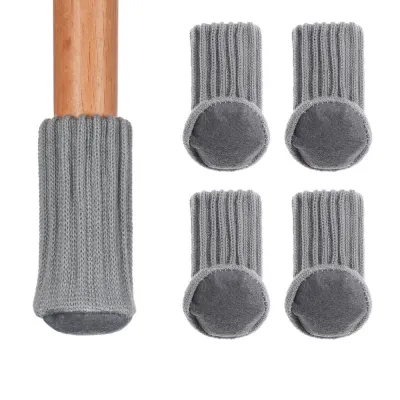
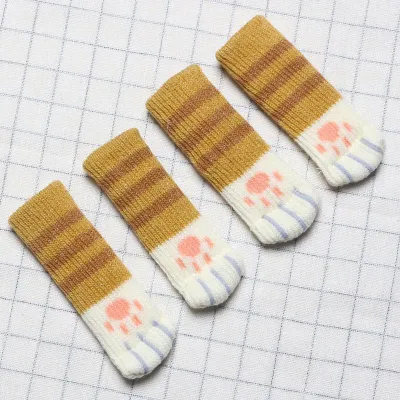
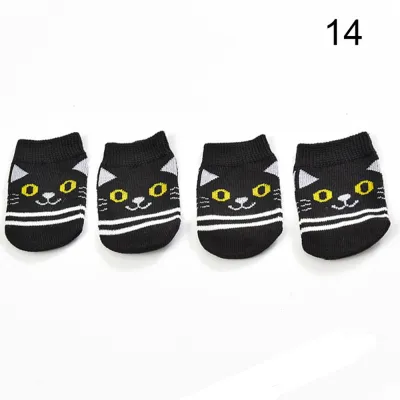
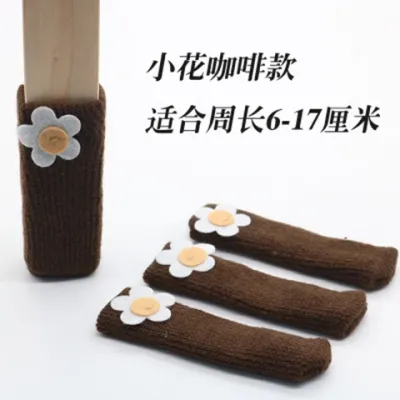
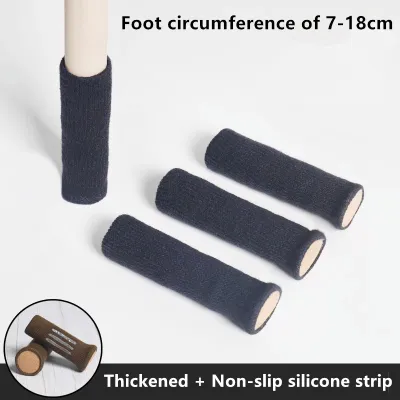
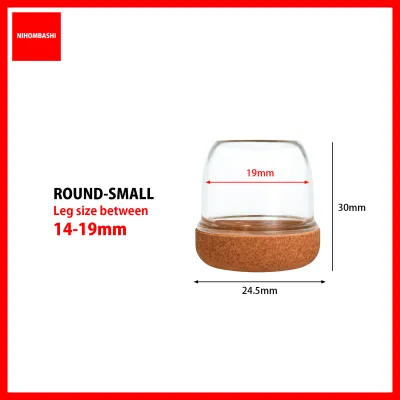
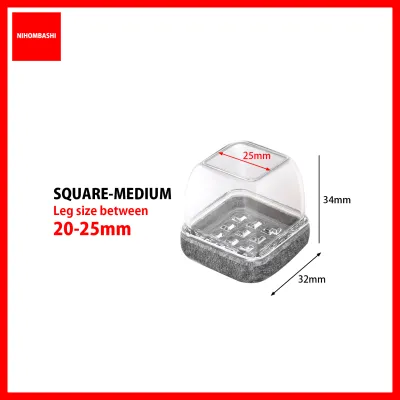
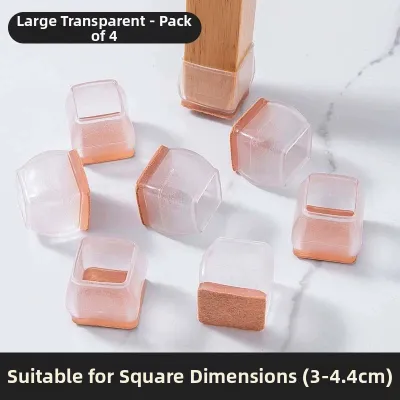
Prices are valid at publication and may change. Please refer to the product page for the latest price.
Next, evaluate how your furniture is used daily. Consider the weight of the chair, the shape of its legs, and how frequently it is moved. A heavy dining chair that is pulled out multiple times a day requires a low-friction, highly durable glide to prevent wear. Conversely, static furniture like an accent stool, side table, or shelving unit requires stability and slip resistance rather than smooth gliding, making different protective materials appropriate.
Finally, verify your flooring manufacturer’s warranty guidelines before purchasing any protective accessories. Some warranties for hardwood, engineered wood, or luxury vinyl tiles (LVT) specify the types of protective pads required to maintain coverage. Certain manufacturers explicitly warn against using specific rubber backings or strong chemical adhesives that might react with the floor’s polyurethane finish and cause permanent discoloration.
Evaluating Silicone Chair Leg Covers
When considering silicone chair leg covers, you must inspect their structural design rather than assuming they all perform the same way. Examine the thickness of the silicone material, as thin walls can tear easily under the weight of heavy chairs. Look for internal grip patterns, ribs, or textured bumps that help the cover cling to the chair leg. Additionally, check whether the cap is made of solid silicone or if it features a hybrid design with an integrated felt or rubber bottom pad to facilitate smoother gliding.

Silicone covers rely on tension to stay in place, making exact sizing critical. You must verify that the cover is rated for your specific chair leg shape, whether round, square, rectangular, or tapered. Check the manufacturer’s sizing chart carefully before purchasing. An oversized silicone cover will slide down, bunch up, or fall off entirely, while an undersized cover will be extremely difficult to install and may split under tension during use.
Care and maintenance requirements are also essential when evaluating silicone. While silicone itself is non-abrasive, its naturally tacky surface easily attracts dust, pet hair, and floor grit. Over time, this trapped debris can accumulate on the bottom of the cover, acting like sandpaper against your floor finish. To prevent this, you must establish a routine to regularly wipe down or wash the silicone covers to keep them free of abrasive particles.
Evaluating Felt Chair Leg Covers
Felt chair leg covers come in several attachment styles, each with distinct advantages and drawbacks. Self-adhesive felt pads are highly common and easy to apply, but the adhesive can degrade over time, causing the pad to slide off and leave a sticky residue on your floor. Slip-on caps with felt bottoms offer a secure fit without adhesives, while nail-on or screw-on felt glides provide a permanent mechanical attachment but require drilling into the bottom of wooden chair legs.
When selecting felt, you must assess the density and thickness of the material. Densely packed, heavy-duty felt is designed to resist compression under heavy loads, making it suitable for dining chairs and frequently used furniture. Light-duty, thin felt pads compress quickly under weight, losing their cushioning properties and offering minimal protection. Always check the manufacturer’s specifications to ensure the felt density matches your furniture’s weight.
Felt covers do not last indefinitely, so you must learn to identify signs of wear. Over time, felt becomes compressed, hard, and heavily soiled with embedded dirt. Inspect the pads regularly for flattening, fraying, or peeling. If the felt feels hard to the touch or has worn down to the plastic or metal base of the glide, replace it immediately to prevent the bare chair leg from scraping directly against your floor.
Material Match: Choosing Between Silicone and Felt by Floor Type
Hardwood floors require smooth-gliding materials that minimize friction and prevent surface scratches. Densely packed felt pads or silicone caps with integrated felt bottoms are highly suitable for these surfaces. You should avoid using solid silicone caps without a felt base on hardwood, as the high friction of raw silicone can cause the chair to drag, potentially scuffing the wood finish or trapping moisture underneath in humid climates.
Laminate flooring is highly sensitive to moisture and scratching from trapped grit. For this floor type, secure-fitting covers are essential to prevent the chair leg from slipping out and exposing hard wood or metal edges. A hybrid silicone cover with an integrated felt bottom provides the ideal balance: the silicone sleeve grips the chair leg securely, while the felt base allows the chair to glide smoothly without scratching the laminate’s protective wear layer.
Tile floors present a different challenge due to their hard surfaces and uneven grout lines. Solid silicone covers or heavy-duty rubber-bottomed caps provide excellent shock absorption and noise reduction on hard tiles. If you choose to use felt on tile floors, ensure the felt is exceptionally thick and dense; thin felt pads can quickly tear or wear down as they repeatedly bump over grout lines.
| Floor Type | Recommended Cover Features | Key Considerations |
|---|---|---|
| Hardwood | Thick felt pads or silicone caps with integrated felt bases | Avoid solid silicone without felt; check for moisture trapping under caps |
| Laminate | Secure-grip silicone caps with integrated felt bottoms | Ensure a tight fit to prevent slipping; clean regularly to remove trapped grit |
| Tile | Heavy-duty solid silicone caps or thick, dense felt | Focus on shock absorption; ensure materials can withstand crossing grout lines |
Sizing, Installation, and Maintenance Guidelines
To ensure your chair leg covers provide maximum protection, you must measure your chair legs accurately before purchasing. Use a caliper or a flexible tape measure to find the exact diameter of round legs or the width of square legs. Always measure the very bottom of the leg where the cover will sit, as many modern chair legs taper and are narrower at the base than they are further up.
During installation, perform a series of checks to ensure a proper fit. The cover should fit snugly over the leg without requiring extreme force to install. If you are using slip-on silicone covers, gently stretch them over the leg base, making sure the bottom of the cover sits completely flat against the floor. Overstretching the silicone can cause the material to tear prematurely or lose its structural grip, leading to slippage.
Establish a regular maintenance routine to extend the lifespan of both your covers and your floors. Inspect the covers every three to six months for signs of damage. Clean silicone covers by wiping them with a damp cloth to remove dust and hair. For felt pads, use a stiff brush or a vacuum attachment to clear away embedded debris. If you notice any tearing, severe compression, or adhesive failure, replace the cover immediately.
Frequently Asked Questions (FAQ)
Can I use standard silicone chair leg covers on uneven or textured tiles?
Standard silicone caps are generally not recommended for highly textured or uneven tiles. The high friction of raw silicone can cause the cover to grip the textured tile surface too tightly, resulting in jerky movements, loud noises, or causing the cover to roll off the chair leg entirely. For textured tiles, check the manufacturer’s guidelines to see if the covers are rated for uneven surfaces, or opt for heavy-duty glides with a smooth, hard plastic or thick felt base that can slide over texture easily.
Do adhesive felt pads leave residue on hardwood floors?
Yes, adhesive felt pads can leave a sticky residue on hardwood floors, especially if the adhesive degrades due to heat, high indoor humidity, or the friction of heavy sliding. This residue can attract dirt and abrasive grit, which may scratch the floor finish over time. To mitigate this risk, test the adhesive on an inconspicuous area of your floor first, or choose slip-on silicone caps with integrated felt bottoms or mechanical nail-on glides that do not rely on chemical adhesives.
Community discussion
Share your experience or ask a question. Comments are reviewed before publication.