
Choosing the right felt pad for your furniture legs is the simplest way to protect your floors from scratches, scuffs, and deep gouges. While it may seem like a minor detail, selecting the wrong thickness, size, or adhesive type can lead to unstable furniture, peeling pads, or damaged flooring. By matching the pad specifications to the weight of your furniture and the specific type of flooring in your home, you can ensure smooth movement and long-lasting protection.
How Furniture Weight and Floor Type Dictate Felt Pad Thickness
The weight of your furniture and the sensitivity of your flooring are the primary factors that determine how thick your felt pads should be. Heavy furniture, such as solid wood dining tables, sofas, and large cabinets, exerts significant downward pressure on the legs. If the felt pad is too thin, the weight will compress the fibers completely, causing the hard furniture leg to press directly against the floor and defeat the purpose of the pad. Conversely, lightweight items like dining chairs or side tables do not compress the felt as much, allowing for a wider range of thickness options.
Your flooring material also dictates the level of cushioning required. Hardwood, engineered wood, and delicate laminate floors are highly susceptible to scratching and require substantial padding to absorb friction. Harder surfaces like ceramic tiles or polished concrete are more resilient but still benefit from felt pads to reduce noise and prevent chipping. When matching thickness to your floors, look for medium-thickness pads for standard chairs and tables to maintain stability, while reserving thicker, high-density pads for heavy, stationary pieces that rarely move.
Products mentioned in this guide
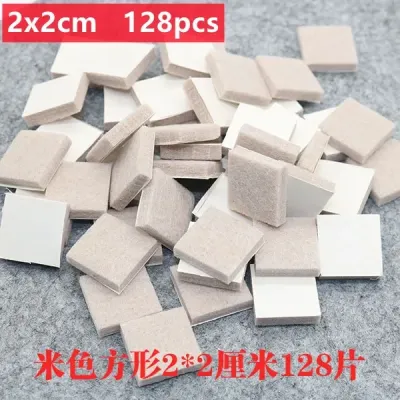
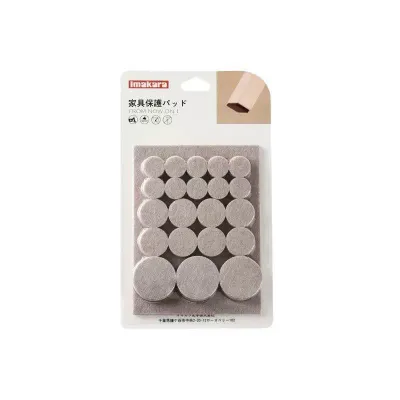
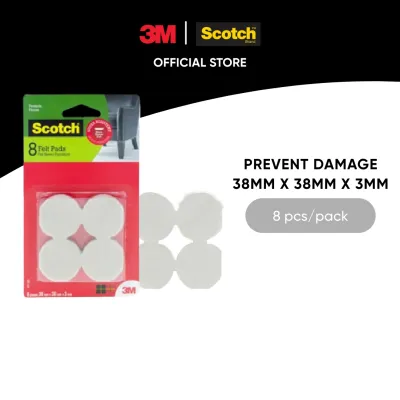
![[Min Buy Any 3] Steve & Leif Heavy Duty Round Felt Self Adhesive Furniture Felt Sliders Anti-Skid Pads](https://img.lazcdn.com/g/p/044da93e9c9e56f3e393d27958cba463.jpg_400x400q80.jpg_.webp)
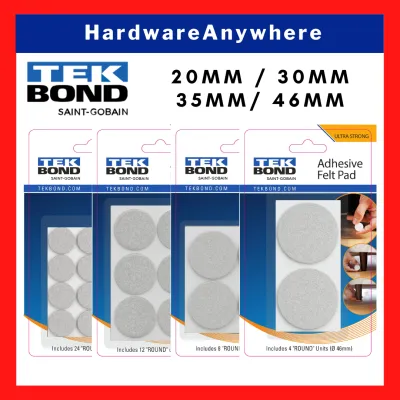

Prices are valid at publication and may change. Please refer to the product page for the latest price.
Using the wrong thickness carries distinct risks. Pads that are too thin will wear through quickly, leaving your floors vulnerable to sudden scratches when furniture is shifted. On the other hand, excessively thick pads on lightweight chairs can create an unstable, wobbly base, making the seating feel insecure and increasing the risk of the pad tilting and peeling off under lateral pressure.
Selecting the Correct Felt Pad Diameter and Shape
To provide effective protection, a felt pad must match the footprint of the furniture leg as closely as possible. Measuring the contact area is a straightforward process. For round legs, measure the diameter across the center of the bottom surface. For square or rectangular legs, measure both the width and length. If your furniture has angled or tapered legs, make sure to measure only the flat portion that actually makes contact with the floor, rather than the wider section higher up the leg.

The felt pad should never exceed the dimensions of the leg footprint. When a pad is too large and overhangs the edges, it creates an unsightly border that easily collects dust, pet hair, and debris. More importantly, this overhanging edge is prone to catching on rugs or floor transitions, which quickly peels the pad away from the adhesive backing. Ideally, select a pad that is slightly smaller than the leg base—by about one to two millimeters—to ensure it remains completely hidden and secure.
For furniture with exceptionally wide or irregular bases, a single standard pad may not offer sufficient coverage or stability. In these cases, using multiple smaller pads distributed evenly across the contact surface can prevent rocking and ensure even weight distribution. Alternatively, you can purchase large felt sheets and custom-cut them to match the exact shape of unique furniture feet, ensuring a perfect fit that keeps the protective barrier intact.
Evaluating Adhesive Strength and Felt Density
Felt pads are available in several attachment styles, each suited to different leg materials and usage patterns. Self-adhesive pads are the most common and convenient option, making them ideal for lightweight to medium furniture on smooth surfaces. For heavy chairs that are moved constantly, slip-on caps or wrap-around felt sleeves offer a more secure fit that cannot slide off. For wooden furniture legs that can tolerate minor alteration, nail-on or screw-on felt glides provide a permanent mechanical attachment that will not fail over time.
The density of the felt itself is just as important as the attachment method. High-density felt is tightly packed and firm to the touch, allowing it to support heavy loads without flattening completely. This density ensures smooth gliding and prevents the furniture from sinking, which is crucial for maintaining floor protection over years of use. Low-density felt is softer and more compressible, making it suitable only for light decorative items or small side tables that experience minimal movement.
To ensure self-adhesive pads bond successfully, proper surface preparation is essential. Dust, old adhesive residue, wax, and manufacturing oils on the bottom of the furniture leg will prevent the glue from sticking. Before applying a new pad, clean the bottom of the leg thoroughly with rubbing alcohol or a mild degreaser and allow it to dry completely. If the wood surface is rough or uneven, a light sanding with fine-grit sandpaper will create a smooth, clean surface that maximizes adhesive contact and longevity.
Installation and Maintenance Checklist for Long-Lasting Protection
To get the most out of your floor protectors, follow a systematic approach to installation and ongoing maintenance. Start by gathering your materials, including your chosen felt pads, rubbing alcohol, a clean cloth, and sandpaper if needed. Clean the bottom of each furniture leg to remove all dirt and oils, then let the surface dry completely. Once dry, peel the backing from the pad, press it firmly onto the center of the leg, and hold it under pressure for at least thirty seconds to activate the adhesive bond.
Maintaining your felt pads is crucial for preventing accidental floor damage over time. Felt naturally attracts dust, hair, and small grit from the floor, which can become embedded in the fibers. Over time, this trapped debris can turn the soft felt into an abrasive surface that scratches your floors as the furniture moves. Inspect the pads under your chairs and tables every few months, running your finger over them to check for hardness, wear, or flattening.
You should replace your felt pads immediately if you notice they have become thin, hard, or heavily soiled with embedded dirt. If a pad begins to slide out of place or show signs of adhesive failure, peel it off, clean the leg surface to remove any sticky residue, and apply a fresh pad. Regularly replacing worn pads ensures your floors remain pristine and your furniture continues to glide quietly and smoothly.
Frequently Asked Questions (FAQ)
Can I use felt pads on chairs with casters or wheels?
Felt pads are not designed for chairs with casters or wheels, as they cannot be securely attached to a rolling surface. For wheeled office chairs or mobile furniture, the best way to protect your floors is to replace the standard hard plastic wheels with soft polyurethane caster wheels designed specifically for hard floors, or to place a protective chair mat over the area.
Why do my self-adhesive felt pads keep falling off?
Self-adhesive pads usually fall off due to poor surface preparation or excessive lateral movement. If the bottom of the furniture leg has dust, old glue, or wood oils, the adhesive cannot form a strong bond. Cleaning the leg with rubbing alcohol before application, allowing it to dry, and choosing high-density pads can prevent this issue.
Are thicker felt pads always better for heavy furniture?
Thicker pads are not always better, as excessive thickness can compromise stability. While heavy furniture requires high-density felt to prevent bottoming out, a pad that is too thick can cause chairs or tables to wobble or tilt. Focus on choosing high-density, firmly compressed felt rather than simply looking for the thickest pad available.

Community discussion
Share your experience or ask a question. Comments are reviewed before publication.