
Selecting the right fabric electric 3-seater sofa for a Housing & Development Board (HDB) flat in Singapore requires balancing modern comfort with the realities of compact urban living. While motorized recliners offer an elevated lounging experience, their dynamic movement, electrical requirements, and physical weight demand careful planning before you make a purchase. To find a model that fits seamlessly into your home, you must look beyond aesthetic appeal and evaluate specific spatial clearances, fabric durability under local climate conditions, and the logistics of navigating tight HDB corridors and lifts. By focusing on these practical dimensions, you can select a high-performing sofa that enhances your living room without overcrowding it.
Assessing Space and Clearance for HDB Living Rooms
HDB living rooms, particularly in newer Built-To-Order (BTO) flats, often feature compact layouts where floor space is at a premium. Before exploring different sofa brands, map out your living room’s exact dimensions using painter’s tape to visualize the footprint of a standard 3-seater sofa, which typically measures between 180 and 220 centimeters in width. It is essential to maintain a clear walkway of at least 60 to 75 centimeters between the front of the sofa and other furniture pieces, such as coffee tables or television consoles, to ensure comfortable daily movement. Additionally, keep in mind that in a standard 3-seater electric recliner, typically only the two outer seats recline while the middle seat remains static, which may influence how you position side tables or floor lamps.
Unlike static seating, an electric recliner has a dynamic footprint that changes significantly during operation. You must account for both the closed dimensions and the fully extended depth of the footrest and backrest, which can add an extra 50 to 80 centimeters to the sofa’s overall depth. If a coffee table is placed too close to the sofa, the extending footrest may collide with it, risking damage to the internal motor or tipping over items on the table.
Products mentioned in this guide
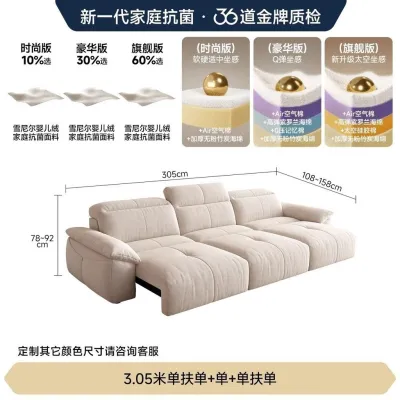
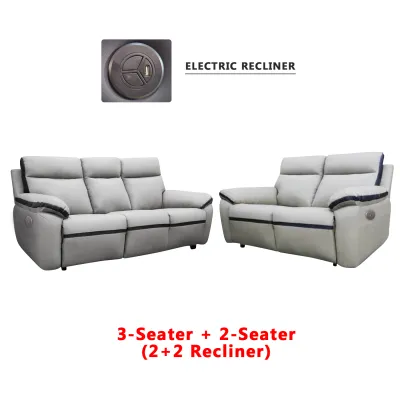
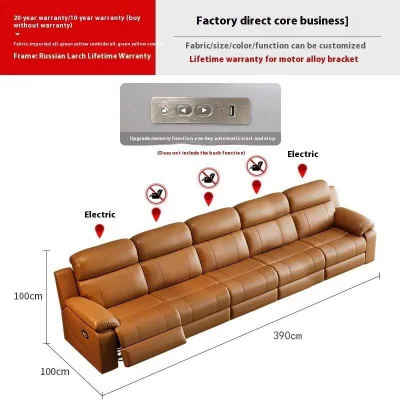
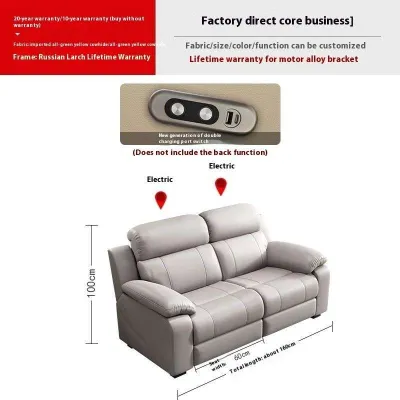
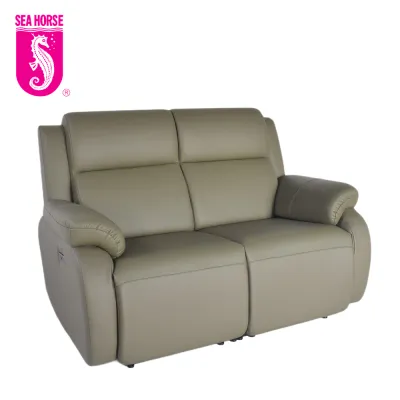
Prices are valid at publication and may change. Please refer to the product page for the latest price.
The distinction between standard recliners and wall-hugger mechanisms is a critical factor for HDB layouts. Standard electric recliners pivot backward as they recline, requiring a clearance of 15 to 30 centimeters between the back of the sofa and the wall behind it, which creates a substantial amount of wasted space. In contrast, wall-hugger designs utilize a forward-sliding track mechanism that allows the seat to glide forward as it reclines, requiring as little as 5 to 10 centimeters of rear clearance. Opting for a brand that features wall-hugger technology allows you to position the sofa almost flush against your living room wall, preserving valuable floor space in your flat.
Comparing Fabric Durability and Motor Specifications
Singapore’s warm and humid climate makes fabric selection a primary consideration for long-term comfort and durability. When comparing different brands, look closely at the fabric composition and ask retailers for the Martindale or Wyzenbeek rub count, which measures wear resistance. For a daily-use family sofa in a typical household, a rub count of at least 15,000 to 20,000 cycles is recommended, while households with high activity levels should look for heavy-duty fabrics rated above 30,000 cycles. Synthetic blends, such as high-grade polyester or nylon performance fabrics, generally offer superior resistance to stretching, sagging, and moisture absorption compared to pure natural fibers. Tightly woven synthetic microfibers are also highly resistant to dust mite penetration, which is a common allergen concern in local households.

Always verify the manufacturer’s cleaning codes before finalizing your purchase to understand how to manage spills and stains. These codes—typically designated as W for water-based cleaning, S for solvent-based cleaning, or WS for both—will dictate your routine maintenance options. In humid environments, spills that cannot be easily cleaned can quickly lead to mold growth or deep-set odors. Many modern brands offer proprietary stain-resistant or “technology” fabrics that mimic the texture of leather while maintaining the breathability of woven textiles; check the specific care instructions for these materials to ensure they do not require specialized, costly treatments.
The motor and reclining mechanism represent the mechanical core of your electric sofa, and their specifications directly influence the lifespan of the furniture. Prioritize brands that offer dedicated, multi-year warranties specifically covering the electrical motors and metal mechanisms, separate from the standard frame or fabric warranty. When testing sofas in a showroom, listen closely to the operational noise levels; a high-quality motor should operate with a smooth, quiet hum rather than a strained, grinding, or clicking sound. Additionally, check if the model includes a manual override or a built-in battery backup system, which allows you to return the sofa to an upright position during a power outage.
The internal frame must be robust enough to withstand both the weight of the occupants and the mechanical stresses of the motorized parts. Look for frames constructed from kiln-dried hardwood or heavy-duty engineered wood, reinforced with steel brackets at key joints. Avoid brands that rely heavily on unreinforced softwoods or lightweight plastics in their structural joints, as these materials can warp or crack under the repetitive torque of the reclining motor, leading to misalignment and mechanical failure over time.
Preparing for Delivery, Assembly, and Power Setup
One of the most common challenges when purchasing large furniture in Singapore is navigating the physical delivery path into an HDB flat. Electric 3-seater sofas are significantly heavier and less flexible than static sofas due to their integrated steel mechanisms and motors. Before placing an order, measure the height, width, and diagonal clearance of your building’s passenger lift, as well as any tight corridor corners and your flat’s main doorway. HDB lift doors typically have a clear opening width of 80 to 90 centimeters, and the internal cabin depth can vary significantly between older corridor-style blocks and newer BTO developments. Ensuring the packaged dimensions of the sofa can safely clear these entry points prevents costly delivery failures or damage to your home’s walls and door frames.
Power management is another essential preparation step that affects both safety and aesthetics. Electric sofas require a continuous power supply, meaning they must be positioned near electrical outlets. Plan your living room layout to avoid running power cords across high-traffic walkways, which creates a tripping hazard and subjects the cables to physical wear. If your desired layout places the sofa away from a wall outlet, inquire if the brand offers optional rechargeable lithium-ion battery packs, which allow the sofa to operate cord-free for several weeks between charges. Additionally, ensure that the external transformer brick (the power adapter) is placed in a well-ventilated area on the floor, rather than stuffed under the sofa’s fabric dust cover where heat can build up.
Review the manufacturer’s assembly conditions and delivery policies in detail before purchasing. Because of their mechanical complexity, electric recliners are rarely delivered fully assembled. Most reputable furniture brands in Singapore include professional assembly as part of their delivery service, where trained technicians connect the modular sections, secure the motor cables, and test the reclining functions. If you are considering a self-assembly option from an online marketplace, ensure you have the necessary tools and technical comfort to safely align the heavy steel tracks and connect the low-voltage wiring harness.
Routine Care and Maintenance for Fabric Electric Sofas
Preserving the appearance and mechanical integrity of a fabric electric sofa requires a consistent maintenance routine. For the fabric exterior, vacuum the sofa at least once a week using a soft brush attachment to remove dust, pet dander, and abrasive crumbs that can wear down the fibers. When addressing spills, blot the area immediately with a clean, dry cloth rather than rubbing, and use only the cleaning agents recommended by the manufacturer’s care label to avoid discoloring or damaging the fabric fibers.
On the mechanical side, perform periodic inspections of the moving parts and electrical connections. Every few months, unplug the sofa from the wall outlet and check the underside for accumulated dust, pet hair, or stray objects that may have fallen into the reclining mechanism. Debris trapped in the steel tracks can cause the motor to work harder, leading to premature wear or overheating. Ensure that all power cables are routed safely away from the moving scissor joints of the recliner to prevent the wires from being pinched or severed during operation.
Be vigilant for warning signs of motor or mechanical strain. If you notice unusual squeaking, jerky movements, uneven reclining speeds between different seats, or a burning smell during operation, immediately stop using the electrical functions. Unplug the power cord from the wall outlet and contact a qualified technician or the brand’s customer service department. Continuing to operate a strained or obstructed motor can cause permanent electrical damage or pose a safety hazard in your home.
Frequently Asked Questions (FAQ)
Do wall-hugger electric recliners actually save space in HDB flats?
Yes, wall-hugger electric recliners are specifically engineered to maximize floor space, making them highly suitable for compact HDB living rooms. Unlike traditional recliners that tilt backward and require substantial clearance from the wall, wall-huggers utilize a forward-sliding track mechanism. As you activate the recline function, the seat base slides forward while the backrest lowers, allowing the sofa to operate efficiently with very little rear clearance.
To verify if a specific model will work in your space, always check the exact minimum wall clearance specified in the product manual or technical specifications sheet. While some wall-huggers require as little as 5 to 10 centimeters of space behind the backrest, others may require slightly more depending on the depth of the headrest. Measuring this clearance beforehand ensures you can position the sofa close to your living room wall without risking damage to your paintwork or wallpaper when reclining.
Is it safe to use an extension cord for an electric sofa?
While it is physically possible to connect an electric sofa to an extension cord, doing so requires careful attention to electrical safety. Motorized furniture draws a variable electrical load when the motors are actively adjusting the seat positions. Using an undersized, low-quality, or daisy-chained extension cord can lead to voltage drops, overheating, and potential electrical hazards.
To ensure safety, prioritize a direct connection to a permanent wall outlet whenever possible. If an extension cord is unavoidable due to your HDB layout, consult the sofa’s electrical specifications in the user manual to determine the required wattage and amperage. Use only a high-quality, fused extension cord that is rated to handle the maximum load of the sofa’s motors, and ensure the cord is routed safely along walls where it cannot be stepped on, pinched under furniture legs, or damaged by the recliner’s moving parts.

Community discussion
Share your experience or ask a question. Comments are reviewed before publication.