
Selecting the right dining chair leg cover material depends entirely on your specific flooring type, the weight of your dining chairs, and how frequently they are moved. While felt pads allow smooth gliding on hardwood and laminate, flexible silicone or rubber caps excel at absorbing shock and reducing noise on hard tile or stone. Fabric socks offer a temporary, washable alternative for light-use areas but require frequent maintenance to prevent dust buildup. Choosing the correct material prevents deep scratches, reduces scraping noises, and avoids permanent chemical stains, ensuring your floors remain in pristine condition while maintaining chair stability.
Assess Your Floor Type and Its Specific Vulnerabilities
Every flooring material has unique physical properties that dictate how it responds to the daily friction, pressure, and weight of dining chairs. Hardwood and laminate floors are highly susceptible to micro-scratches and finish wear. When chairs are dragged across these surfaces, any trapped grit beneath the legs acts like sandpaper, slowly eroding the protective polyurethane or lacquer topcoat. Once this protective barrier wears away, the underlying wood or laminate core becomes vulnerable to moisture penetration and permanent discoloration.
Tile and stone floors present a different set of challenges, primarily related to impact and noise. While these surfaces are exceptionally hard, they are brittle and prone to chipping if heavy chair legs strike them at an angle. The grout lines between tiles create uneven transitions; as chairs slide across these joints, the sudden drops and impacts can damage both the tile edges and the chair joints. Additionally, the friction of bare wood or metal against stone produces a harsh, high-pitched scraping noise.
Products mentioned in this guide
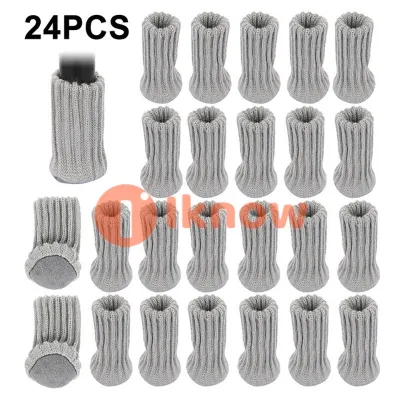
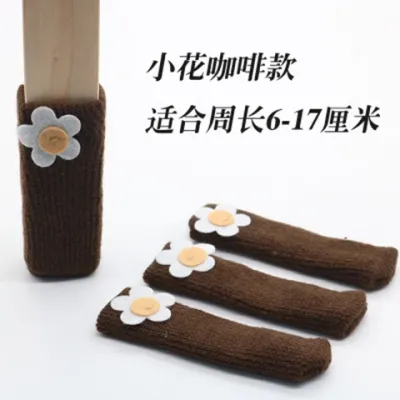
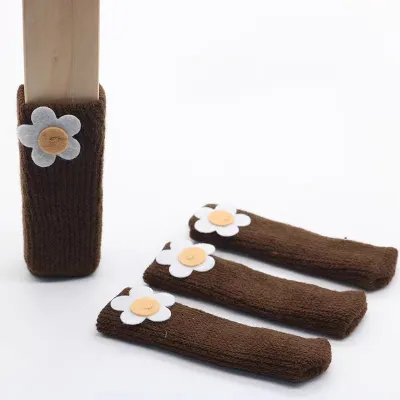
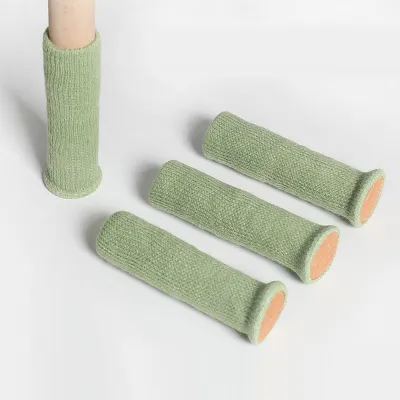
![[SG Seller] 4 Pcs Chair Foot Protective Cover Non-slip Chair Leg Protector Cover Anti Scratch Table Furniture Leg Cover](https://img.lazcdn.com/g/p/8ebd2b13161ca8fe7dec03418ddd4d21.jpg_400x400q80.jpg_.webp)
Prices are valid at publication and may change. Please refer to the product page for the latest price.
Vinyl and linoleum are softer, resilient flooring options that require careful protection against pressure and chemical reactions. Because of their pliable nature, these floors are highly vulnerable to permanent indentations from heavy static loads, especially when chairs are occupied for long periods. Furthermore, certain synthetic materials, particularly dark-colored rubbers, can chemically react with the plasticizers in vinyl, leading to permanent yellow or brown staining that cannot be cleaned or polished out.
Carpeted floors present unique physical demands that differ significantly from hard surfaces. Instead of scratching, the primary issues here are chair legs sinking deep into the pile, snagging delicate fibers, and leaving permanent depressions over time. Rough wooden edges or metal glides on the bottom of chair legs can catch on looped carpet fibers, causing unsightly pulls and runs that ruin the carpet’s texture.
Compare Common Chair Leg Cover Materials
To select the most effective protection, you must understand the physical properties, advantages, and limitations of the primary material categories available. Each material interacts differently with various floor finishes, affecting how easily a chair slides and how securely the protector stays in place.

Felt Pads and Slides
Felt-based protectors facilitate smooth gliding while preventing abrasive contact. High-density wool or synthetic felt pads absorb the friction of movement, allowing chairs to slide effortlessly across smooth surfaces without leaving micro-scratches. However, the open, fibrous structure of felt naturally traps dust, pet hair, and microscopic grit over time. If these pads are not cleaned or replaced regularly, the embedded debris can turn the soft felt into an abrasive surface that damages your floor finish. When selecting felt pads, verify the thickness and density specified by the manufacturer, as thin, low-density felt tends to compress quickly under heavy loads, compromising both floor protection and chair stability.
Silicone and Rubber Caps
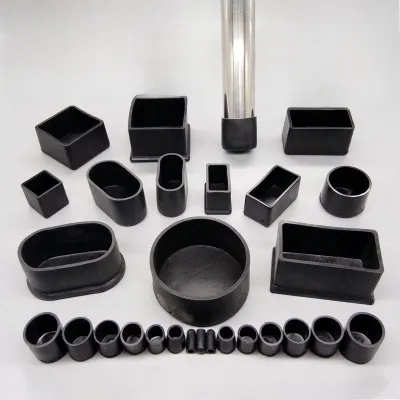
Elastomer caps, made from silicone or rubber, offer excellent shock absorption, noise dampening, and slip resistance. These flexible covers stretch over the bottom of the chair leg, providing a secure, form-fitting grip that prevents the protector from sliding off during use. While they are highly effective at cushioning heavy impacts on hard tile floors, some rubber formulations can leave dark scuff marks on sensitive finishes if the material degrades or rubs too firmly against the surface. When choosing silicone or rubber caps, check the manufacturer’s specifications regarding material stability and stretch limits to ensure they fit your specific chair leg shape without tearing.
Fabric Sock-Style Covers
Knitted or woven fabric socks provide full-coverage protection and excellent sound dampening, making them a popular choice for households seeking aesthetic flexibility. These covers slide easily over various leg shapes and are simple to install without adhesives or tools. However, fabric socks are highly prone to trapping dust, pet hair, and moisture underneath, which can scratch the floor or damage the wood finish of the chair legs. They require frequent washing to maintain hygiene and prevent floor staining from absorbed liquid spills, and they may slip down the chair legs over time if they lose their elasticity.
Match the Right Material to Your Flooring Scenario
Choosing the right protector requires matching the physical properties of the cover material to the specific vulnerabilities of your flooring environment. For hardwood and laminate surfaces, prioritize dense felt pads or specialized hard-floor glides. These materials allow the chair to slide smoothly, minimizing the lateral friction that causes micro-scratches. When installing felt on hardwood, check that the adhesive is strong enough to resist shearing forces, or opt for tap-on felt glides if your chair legs can accommodate small screws or nails without splitting.
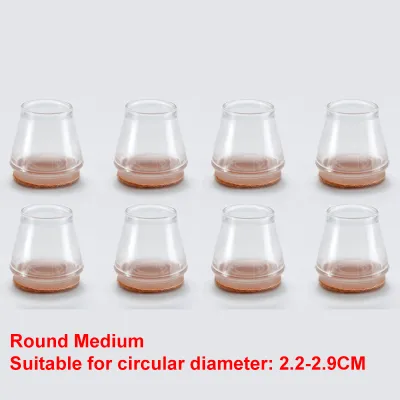
For tile and stone floors, thick silicone or rubber caps are the most effective choice. The shock-absorbing properties of these elastomers cushion the impact of the chair leg hitting the hard surface, while the high-friction material prevents the chair from sliding too easily on slick tiles, reducing the risk of accidental slips. If you want the noise reduction of silicone but still need the chair to slide easily for dining, look for hybrid caps that feature a silicone body with an integrated felt base.
When dealing with vinyl, linoleum, or other highly sensitive surfaces, select non-staining, non-marking materials. Avoid dark-colored rubber caps, which can leach plasticizers and leave permanent yellow stains on vinyl. Instead, look for clear silicone caps or light-colored, high-density felt pads that are explicitly labeled as safe for vinyl floors. Always verify the manufacturer’s care instructions for both the flooring and the protectors to ensure chemical compatibility.
In mixed-use spaces where chairs frequently transition between different floor types—such as moving from a carpeted dining area to a tiled kitchen floor—you must select a versatile protector. A hard plastic glide with a felt insert can slide smoothly over carpet fibers without snagging, while still providing a cushioned barrier when the chair is moved onto the tile. Alternatively, heavy-duty, stretch-on silicone caps with felt bottoms offer a reliable balance of grip, cushion, and glide across multiple surfaces.
Installation, Maintenance, and When to Replace
Proper installation and regular maintenance are essential to ensure your chair leg covers continue to protect your floors effectively. Before applying any protector, thoroughly clean and dry the base of the chair leg. Use a mild solvent like isopropyl alcohol to remove old adhesive residue, dirt, and oils, allowing the new adhesive to bond securely or the cap to grip tightly. If you are using stretch-on silicone caps, measure the finished dimensions of your chair legs carefully with a caliper or tape measure to ensure the cap fits snugly without overstretching, which can cause the material to tear prematurely.
Establish a routine to inspect your chair leg covers every few months. Run your finger over felt pads to check for embedded grit, pet hair, or flattened fibers; if the felt feels hard, crusty, or thin, it is no longer providing adequate protection. For silicone or rubber caps, inspect the edges for signs of cracking, hardening, or tearing, and check that they have not slipped out of alignment.
Replace your chair leg covers immediately if you notice visible thinning of the felt, a loss of grip that causes caps to slide off, or new scuff marks on your floor. Keeping a small stock of replacement pads or caps on hand ensures you can swap out worn protectors before they cause permanent, costly damage to your flooring.
Frequently Asked Questions (FAQ)
Can I use the same chair leg covers for indoor and outdoor dining sets?
Indoor chair leg covers are not designed to withstand outdoor environmental conditions. Standard felt pads quickly absorb rainwater and dirt, trapping moisture against both the chair leg and the patio surface, which can lead to mold, rot, or rust. Silicone and rubber caps designed for indoor use may degrade rapidly when exposed to UV radiation, causing them to crack and lose their grip. For outdoor dining sets, select specialized glides or caps explicitly rated for outdoor use, which are made from UV-resistant plastics or weather-grade rubber designed to withstand moisture and temperature fluctuations.
How do I remove adhesive residue left by old felt pads?
To remove stubborn adhesive residue without damaging your floor’s finish, start by applying gentle heat from a hairdryer to soften the glue. Once the residue is warm, gently wipe it away with a soft microfiber cloth dampened with a mild, floor-safe solvent or a mixture of warm water and a few drops of dish soap. Avoid using abrasive scrubbing pads, steel wool, or harsh chemical solvents like acetone, which can strip the protective finish off hardwood, laminate, or vinyl. Always test any cleaning solution on an inconspicuous area of the floor first to ensure it does not cause discoloration.
Do chair leg covers void the warranty on new hardwood floors?
Some hardwood flooring warranties contain specific clauses regarding the types of protective accessories allowed on the surface. Certain manufacturers may void the warranty if they find that damage was caused by unapproved materials, such as dark rubber caps that cause chemical staining or abrasive, dirty felt pads. To protect your investment, carefully review your flooring manufacturer’s warranty terms and care guidelines. Choose high-quality, non-marking protectors that align with their recommendations, and keep your purchase receipts to demonstrate that you have taken the required steps to maintain and protect the floor.

Community discussion
Share your experience or ask a question. Comments are reviewed before publication.