
Quick Answer: Sizing Principles for Foldable Cabinets
Finding the right foldable plastic cabinet for a compact bedroom in a Singapore HDB flat requires balancing storage capacity with physical clearance. There is no single universal dimension that fits every home; instead, the ideal size depends entirely on your specific room layout, available floor space, and what you plan to store.
When selecting a cabinet, you must evaluate both its fully deployed footprint and its collapsed, folded thickness. A successful choice ensures that the unit fits comfortably within your designated space without blocking walkways, bedroom doors, or wardrobe panels. Prioritizing a slim profile that matches your room’s natural traffic paths allows you to maximize vertical storage without making the sleeping area feel cramped.
How to Measure Your Bedroom Space for a Cabinet
Before browsing online marketplaces or visiting home furnishing stores, you need to establish the absolute maximum dimensions your bedroom can accommodate. Taking precise physical measurements prevents the frustration of purchasing a cabinet that blocks essential pathways or sits awkwardly against the wall.
Products mentioned in this guide
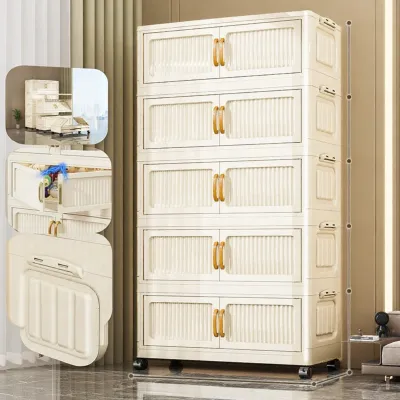
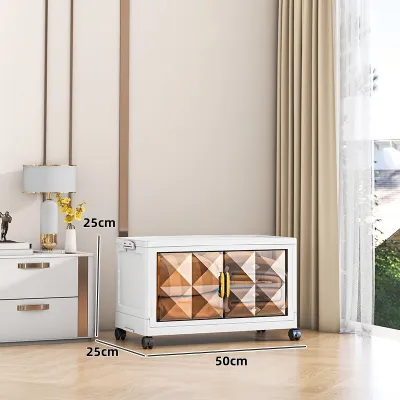
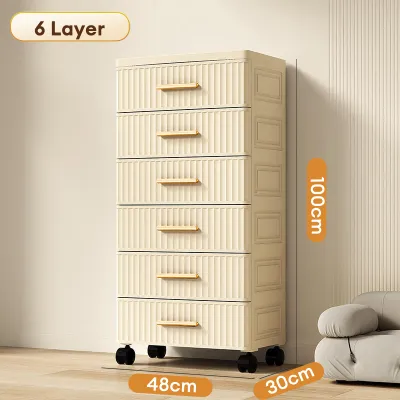
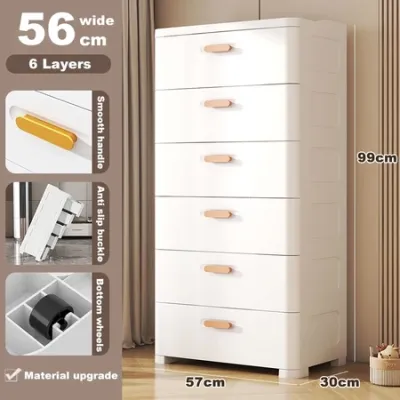
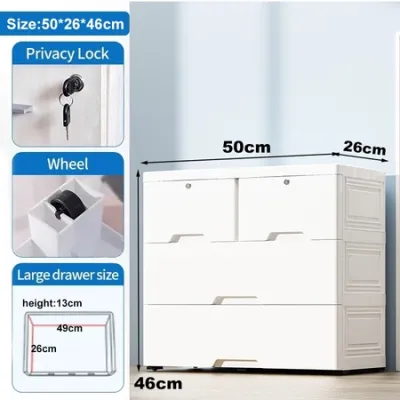
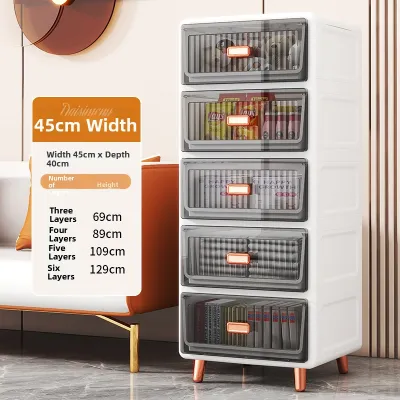
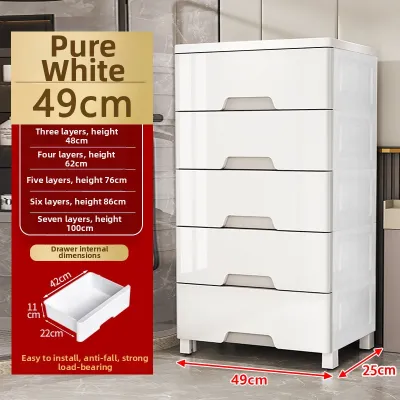
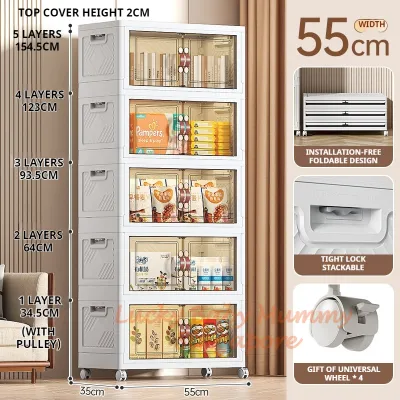
Prices are valid at publication and may change. Please refer to the product page for the latest price.

Start by measuring the target floor footprint where you plan to position the cabinet. Use a physical measuring tape to record the available length and width of the floor space. Additionally, measure the vertical height from the floor to any overhead obstructions, such as wall-mounted air-conditioning units, floating shelves, or decorative wall art.
Next, map out the clearance zones required for daily movement. Open your bedroom door, built-in wardrobe doors, and any nearby drawers to their fullest extent, measuring the remaining gap between these open doors and your proposed cabinet location. A standard walkway in a bedroom should ideally maintain a clear path of at least 60 to 70 centimeters to allow you to walk past comfortably without turning sideways.
Finally, identify any physical obstacles along the wall that could prevent the plastic cabinet from sitting completely flush. Look out for protruding skirting boards, electrical power sockets, light switches, window sills, and air-conditioning trunking. If a cabinet cannot sit flush against the wall due to these obstacles, it will protrude further into your walking path than its official depth specification suggests.
Key Dimensions to Check on Foldable Plastic Cabinets
Once you have your room measurements, you can compare them against the product specifications of various foldable plastic cabinets. Understanding how to read these dimensions ensures the unit is both functional and safe for daily use.
Deployed versus Folded Dimensions
Always verify two sets of dimensions: the fully assembled (deployed) size and the collapsed (folded) size. The deployed dimensions tell you how much space the cabinet will occupy when active. The folded dimensions, particularly the collapsed thickness, are crucial if you plan to store the cabinet away periodically under a bed, inside a household shelter, or behind a wardrobe during seasonal cleaning.
Internal Shelf Spacing
The external size of the cabinet does not always reflect its usable internal space. Check the manufacturer’s specifications for the height, width, and depth of the individual internal shelves. Compare these figures with the items you intend to store, such as standard plastic storage boxes, folded clothing stacks, or shoe organizers, to ensure they will slide in and out without getting stuck.
Weight Capacity and Structural Stability
Because plastic is lighter than wood or metal, checking the manufacturer’s rated weight capacity per shelf is essential for long-term durability. Look for reinforced shelving designs if you plan to store heavier items like books or thick bedding. Additionally, verify the cabinet’s base dimensions; a wider and deeper base generally offers better structural stability than an ultra-narrow, top-heavy design.
Space-Saving Layouts for Compact Bedrooms
Integrating a new piece of furniture into a small HDB bedroom requires strategic placement to preserve a sense of openness. The goal is to place the cabinet where it supports your daily routine rather than disrupting it.
- Corner Placements: Positioning the cabinet in an underutilized corner is one of the most effective ways to keep central walkways clear. This placement utilizes dead space and keeps the visual bulk of the furniture away from the center of the room.
- Bedside or Bed-End Positioning: If your bedroom layout allows, place a low-profile foldable cabinet at the foot of the bed or alongside it. Ensure there is sufficient clearance to step out of bed comfortably and that the cabinet doors do not collide with the bed frame when opened.
- Multi-Functional Alignments: Look for a cabinet height that aligns logically with your existing furniture. A medium-height foldable cabinet can serve a dual purpose, functioning as a nightstand next to your bed or as an extended vanity surface, eliminating the need for an extra table.
Common Sizing and Placement Mistakes to Avoid
Avoidable mistakes during the planning phase can lead to an unusable cabinet or an uncomfortable bedroom environment. Keeping these common oversights in mind will help you make a more practical purchase.
One frequent error is ignoring the operational depth of the cabinet. While the cabinet might fit your floor space when closed, you must account for the extra clearance needed when the cabinet doors or fold-out panels are fully opened. If the space in front of the cabinet is too tight, accessing your stored items will be incredibly difficult.
Another common mistake is overlooking the visual bulk of the furniture. Choosing dark, solid colors or thick, heavy frames can make a small HDB bedroom feel visually crowded and dark. Opting for lighter shades, pastel tones, or semi-translucent cabinet doors helps reflect light and maintains a more spacious, airy atmosphere.
Finally, never neglect the risk of a cabinet tipping over. Lightweight plastic cabinets can easily become top-heavy when loaded with items on the upper shelves. If you have young children or pets in the home, failing to secure a tall, narrow cabinet to the wall poses a serious safety hazard. Always check if the manufacturer provides anchoring hardware or recommends specific stabilization methods.
Frequently Asked Questions (FAQ)
Do foldable plastic cabinets require assembly tools?
Most modern foldable plastic cabinets are designed for quick setup and do not require specialized assembly tools. They typically feature snap-together joints, interlocking panels, or pre-assembled fold-out frames that secure into place with manual pressure. However, you should always review the manufacturer’s instructions prior to assembly to confirm if any specific locking clips, stabilizing feet, or wall-anchoring hardware require basic household tools to install.
How can I prevent a tall plastic cabinet from tipping over?
To prevent a tall, lightweight plastic cabinet from tipping, always place heavier items on the bottom shelves to lower the overall center of gravity. Ensure the cabinet is positioned on a completely flat, level floor surface. For maximum safety, utilize the anti-tip straps, brackets, or wall anchors recommended by the manufacturer to secure the top of the cabinet firmly to the wall.

Community discussion
Share your experience or ask a question. Comments are reviewed before publication.