
Finding the right cotton mattress firmness requires balancing how you sleep with how much pressure your body exerts on the mattress. Because cotton is a natural fiber that behaves differently from synthetic foams or metal springs, its support system relies heavily on fiber density and compaction. By matching your primary sleeping position and body weight to the correct density, you can maintain proper spinal alignment and prevent waking up with back pain or joint stiffness.
Understanding Cotton Mattress Firmness Labels
Unlike synthetic memory foam or pocket spring mattresses that use standardized mechanical testing to determine firmness, cotton mattresses rely on the natural loft and density of cotton batting. This means a “medium” label from one manufacturer might feel significantly firmer than a “medium” foam mattress. Cotton fibers naturally compress under weight, creating a solid, supportive surface that contours gently rather than sinking deeply.
When shopping for a cotton mattress, look closely at the internal construction rather than relying solely on descriptive labels like soft, medium, or firm. A soft cotton mattress often incorporates a flexible core, such as latex or pocket springs, wrapped in plush cotton layers. A firm cotton mattress, such as a traditional futon, typically consists of densely packed, layered cotton batting without any inner springs, offering a highly stable and flat sleeping surface.
Products mentioned in this guide
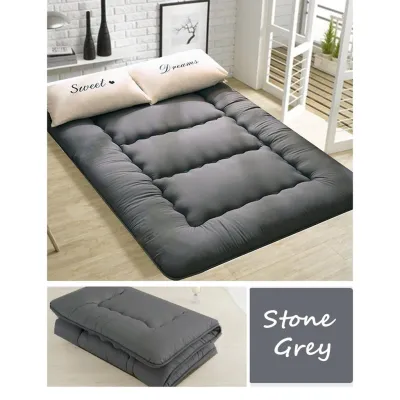
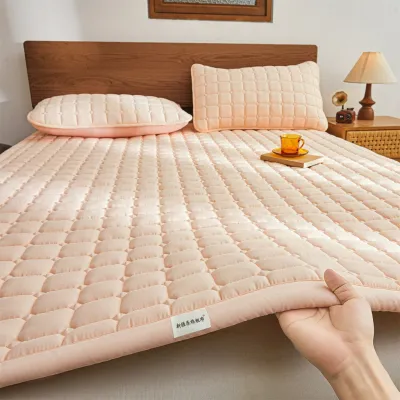
Prices are valid at publication and may change. Please refer to the product page for the latest price.
To interpret these labels accurately, check the manufacturer’s specifications for the weight of the cotton used per square meter or the total layer count. A higher density of cotton layers per inch generally indicates a firmer, more supportive feel that resists deep compression. If the specifications are ambiguous, ask the retailer about the ratio of cotton batting to other materials in the core, as this directly influences how the mattress will feel over time.
Matching Firmness to Your Primary Sleeping Position
Your sleeping position determines where your body needs pressure relief and where it requires firm support to keep your spine in a neutral position. Because cotton does not have the rapid rebound of synthetic foam, choosing the wrong firmness can lead to localized pressure buildup or unnatural spinal curvature.

Side sleepers require a softer to medium-firm cotton mattress that allows the shoulders and hips to sink in slightly. If the mattress is too firm, these high-pressure areas will bear the brunt of your body weight, leading to poor circulation and morning soreness. A cotton mattress with a flexible natural latex core or plush outer tufting can provide the necessary contouring while keeping the spine straight.
Back sleepers benefit from a balanced medium to firm cotton mattress that supports the natural curve of the lower back. The mattress must be firm enough to keep the pelvis from sinking too deep, yet forgiving enough to cushion the shoulder blades and buttocks. Densely layered cotton batting without springs often provides the stable, even support that back sleepers need to prevent lumbar strain.
Stomach sleepers need a firm to extra-firm cotton mattress to keep the body aligned. If the mattress is too soft, the pelvis sinks into the bed, arching the lower back uncomfortably and straining the neck muscles. A traditional, dense cotton futon or a firm cotton mattress with a supportive inner spring system keeps the midsection elevated and the spine in a healthy, flat position.
Adjusting Your Choice Based on Body Weight
Your body weight directly affects how deeply you compress the cotton fibers, which alters your perception of how firm the mattress feels. A mattress that feels like a solid board to a lighter individual might feel soft and unsupportive to a heavier sleeper.
Lighter individuals, typically weighing under 60 kg, exert less downward force and may find that standard firm cotton mattresses do not compress enough to offer any contouring. For these sleepers, a soft to medium cotton mattress, or one with a plush wool or latex comfort layer, is necessary to prevent pressure points on the hips and shoulders. Without this slight sinkage, the mattress can feel uncomfortably hard.
Heavier individuals, typically weighing over 90 kg, require a much denser cotton mattress to prevent bottoming out against the bed frame. Densely packed cotton batting or a hybrid cotton mattress with heavy-gauge pocket springs provides the structural integrity needed to support more weight. A mattress that is too soft will compress completely, leaving the sleeper on an unyielding surface without adequate support.
To find a suitable match, cross-reference your weight with your sleeping position. For example, a heavier side sleeper will need a thicker, medium-firm mattress with deep cushioning layers to protect the joints without sinking through to the support core. Conversely, a lighter stomach sleeper can comfortably use a medium-firm mattress because their lower body weight will not cause excessive pelvic sinkage.
How to Test and Verify the Mattress Fit Before Committing
Before finalizing your purchase, testing the mattress in person is a reliable way to verify if the firmness matches your physical needs. When visiting a showroom in Singapore, plan to spend at least fifteen to twenty minutes resting on the mattress in your actual sleeping position rather than just sitting on the edge.
While lying down, pay close attention to physical signals of alignment and comfort. Your spine should feel relaxed and neutral, with no noticeable gaps between your lower back and the mattress surface. If you feel pressure points pinching your shoulders or hips, or if you find it difficult to roll over, the mattress is likely too firm or lacks sufficient contouring layers.
Because cotton fibers undergo an initial settling phase, look for retailers that offer a home trial period of at least thirty nights. This trial allows the cotton batting to break in and adapt to your body shape in your home environment. Always verify the return and exchange policies, including any transport fees, so you can make adjustments if the firmness does not meet your expectations after a few weeks of use.
Frequently Asked Questions (FAQ)
Can I change the firmness of my existing cotton mattress?
Yes, you can adjust the perceived firmness of your cotton mattress by adding a mattress topper or rotating the bed regularly. A soft wool or natural latex topper can add plushness to a mattress that feels too hard, while a firm coconut fiber or dense cotton pad can add surface stability. Rotating the mattress from head to toe every few months helps distribute body weight evenly, preventing localized sagging and maintaining a consistent firmness level across the entire surface.
Does a cotton mattress get softer or firmer over time?
A cotton mattress naturally becomes firmer over time as the natural fibers compact and settle with regular use. Unlike synthetic foams that break down and lose their supportive qualities, cotton batting packs down to form a denser, more solid sleeping surface. Regular sunning and airing can help restore some of the loft, but you should expect the mattress to feel slightly firmer and more settled after the first few months of sleep.

Community discussion
Share your experience or ask a question. Comments are reviewed before publication.