
Finding the right coir mattress firmness depends on how your sleeping posture and body weight interact with the natural rigidity of coconut fiber. Because coir is inherently firmer than synthetic foams, selecting the correct balance ensures your spine remains neutrally aligned without creating painful pressure points. Generally, back and stomach sleepers benefit from the robust support of a firm or extra-firm coir core, while side sleepers and lighter individuals typically require a medium-firm feel or a thick comfort layer to cushion the shoulders and hips.
Understanding Coir Mattress Firmness Levels
Coir mattresses are constructed from processed coconut husks, often bonded with natural rubber latex to create a supportive, highly breathable core. This fibrous structure is naturally resilient and offers a much firmer baseline than traditional polyurethane foam or pocket springs. When you lie on a coir mattress, you experience a supportive, floating sensation on top of the bed rather than a sinking feeling.
Because of this natural rigidity, industry firmness scales for coir mattresses differ slightly from standard mattresses. A medium-firm coir mattress might feel significantly firmer than a medium-firm memory foam model. Manufacturers typically offer coir mattresses in medium-firm, firm, and extra-firm variations, making it crucial to understand these distinctions before selecting a surface.
Products mentioned in this guide
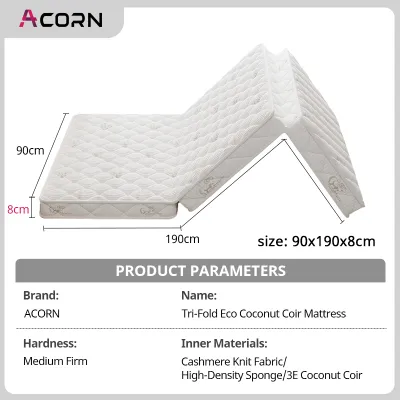
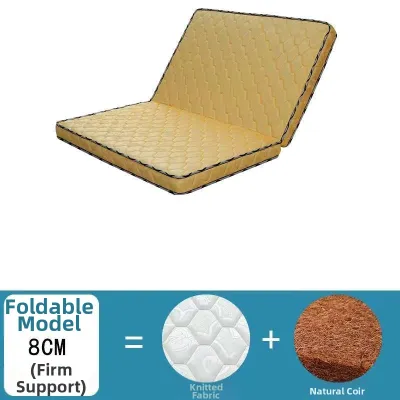
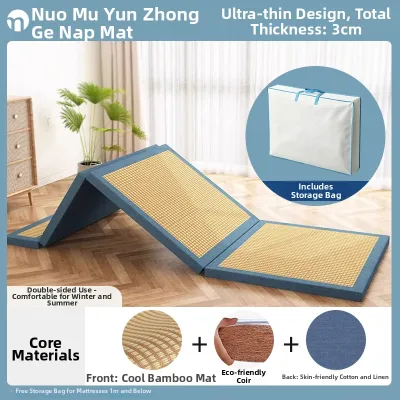
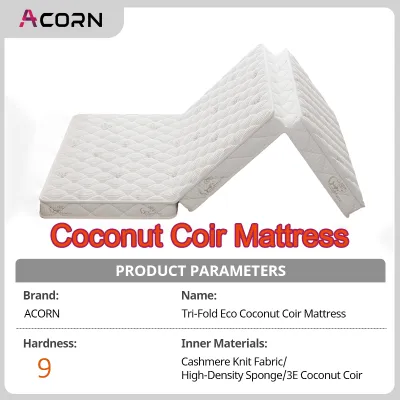
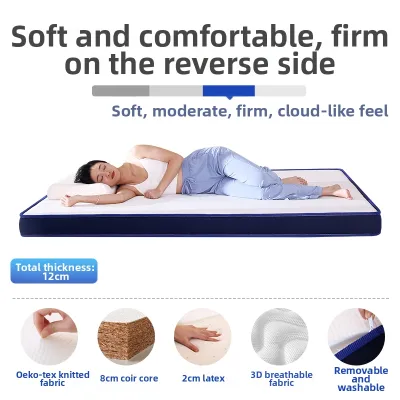
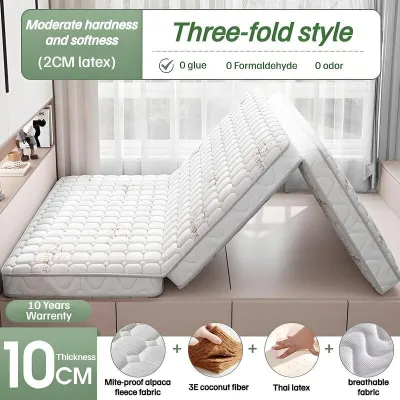
Prices are valid at publication and may change. Please refer to the product page for the latest price.
To bridge the gap between rigid support and surface comfort, many coir mattresses incorporate comfort layers. These layers, often made of natural latex, wool, or high-density foam, are quilted into the top cover or layered directly over the coir core. They provide the initial contouring needed to relieve pressure points while relying on the underlying coir to deliver deep, structural support.
Matching Firmness to Your Sleeping Position
Your primary sleeping position determines where your body exerts the most pressure and how your spine should be supported. Side sleepers face the greatest challenge on a highly rigid surface because the shoulders and hips must sink slightly into the mattress to keep the spine straight. A pure, extra-firm coir mattress without a cushioning comfort layer can compress these joints, leading to numbness or morning aches. For side sleeping, a medium-firm coir mattress or a model with a thick latex comfort layer is usually necessary.

Back sleepers require a balance of firm support and subtle contouring. The natural curvature of the lower back needs to be filled to prevent muscle strain, but the hips must not sink so deep that the spine curves downward. Coir mattresses excel in this category because their natural rigidity prevents the lower back from hammocking, and a firm coir mattress typically provides the ideal resistance to keep the pelvis aligned with the shoulders.
Stomach sleepers need a very firm surface to maintain healthy posture. If the mattress is too soft, the heavy midsection sinks into the bed, arching the lower back uncomfortably and straining the lumbar spine. An extra-firm coir mattress keeps the hips and chest on the same level plane, minimizing spinal extension and making coir an excellent material choice for those who sleep primarily on their stomachs.
Adjusting for Body Weight and Type
Body mass directly influences how deeply you compress a mattress, which alters your perception of firmness. Heavier individuals exert more downward force, causing standard comfort layers to compress fully. To prevent bottoming out against the core, heavier sleepers generally require a firmer coir mattress or a thicker core design, along with reinforced edge support to prevent the sensation of rolling off the bed when sleeping near the perimeter.
Conversely, lighter individuals exert very little pressure on the mattress surface. On a standard firm coir mattress, a lighter sleeper may not compress the comfort layer at all, making the bed feel excessively hard. For these individuals, a medium-firm coir mattress or a model featuring a plush, thick top layer is highly recommended to allow the shoulders and hips to sink just enough to relieve pressure.
When shopping, always check the manufacturer’s specifications for weight limits, core thickness, and density. A thicker coir core, such as ten to fifteen centimeters, generally offers better structural integrity and weight distribution than thinner options. Reviewing these technical details on the product label helps ensure the mattress can support your body type over years of daily use.
How to Verify Firmness Before You Buy
Because firmness is highly subjective, relying solely on online descriptions can lead to mismatched expectations. When researching options, carefully read the technical specifications of the mattress. Look for details on the thickness of the coir core versus the thickness and material of the comfort layers, as a mattress with a thick latex topper over a coir core will feel vastly different from a pure, unpadded coir block.
If you are shopping in a physical showroom, perform a structured lie-down test rather than a quick touch test. Sit on the edge to check the support, but more importantly, spend at least ten to fifteen minutes resting in your primary sleeping position. Pay close attention to whether your shoulders and hips feel compressed, and check if you can easily slide a hand under your lower back; a large gap indicates the mattress may be too firm, while no gap at all with a sinking sensation suggests it is too soft.
For online purchases, look for retailers that offer a clear sleep trial period. A sleep trial allows you to test the mattress in your own home for a set number of nights to see how your body adjusts. Be sure to read the return policies and conditions carefully, noting any fees for pickup or return shipping, and ensure you use a compatible bed frame, as an improper foundation can alter the mattress’s actual firmness and void the warranty.
Frequently Asked Questions (FAQ)
Can I make a firm coir mattress softer?
Yes, you can easily adjust the surface feel of a firm coir mattress by adding a separate mattress topper. Toppers made of natural latex, memory foam, or micro-coils can provide the plush cushioning your shoulders and hips need while preserving the supportive, breathable coir base underneath. Before purchasing a topper, check your mattress manufacturer’s warranty terms to ensure that adding an external layer does not void your coverage or alter the expected wear patterns of the mattress.
Do coir mattresses sag over time?
Coir mattresses are highly durable, but like all natural fiber products, their longevity depends on environmental conditions and proper care. High moisture levels and humidity can soften the natural fibers over time, potentially leading to localized sagging if the mattress is not allowed to breathe. To maintain even wear and preserve the firmness of the core, rotate the mattress 180 degrees every three to six months according to the manufacturer’s care instructions, and ensure it rests on a solid, well-ventilated slatted foundation.

Community discussion
Share your experience or ask a question. Comments are reviewed before publication.