
Finding the right coat rack with an integrated umbrella stand requires balancing vertical storage capacity with moisture management. In Singapore, where sudden tropical downpours are common and high humidity is a constant factor, an entryway organizer must do more than just hold bags and keys. It must serve as a reliable wet-to-dry transition zone. A poorly chosen unit can lead to water damage on your flooring, rusted joints, or a cluttered, unstable entryway that blocks your main thoroughfare. To make a smart purchase, you must evaluate how the unit handles wet umbrellas, how much weight its hooks can safely support, and how its physical footprint fits into your specific home layout.
By focusing on structural integrity and practical design features, you can find a unit that keeps your entryway organized and dry. This guide outlines the essential factors to evaluate, from material durability to spatial planning, helping you make an informed decision for your home.
Key Features to Evaluate Before Buying
When selecting a combination coat rack and umbrella stand, the first step is assessing how well the unit’s functional components match your household’s daily habits. Hook capacity and spacing are critical for maintaining an organized entryway. You should calculate your required capacity by considering the number of people in your home and the typical items they carry daily, such as work bags, hats, cardigans, or reusable shopping bags. Ideally, look for a unit that offers at least two hooks per family member. Spacing between these hooks is equally important; if they are clustered too closely together, hung items will overlap, which restricts airflow and prevents damp items from drying efficiently in Singapore’s humid climate.
Products mentioned in this guide
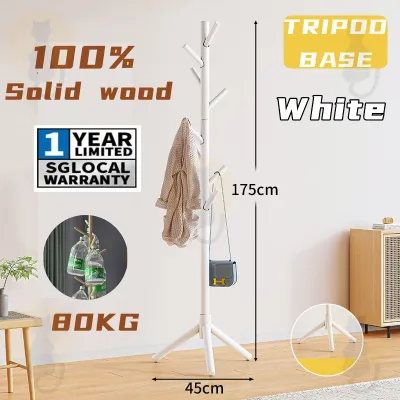
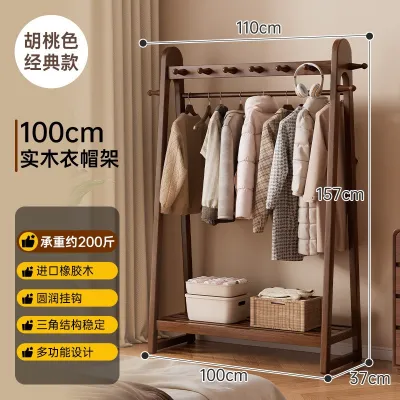

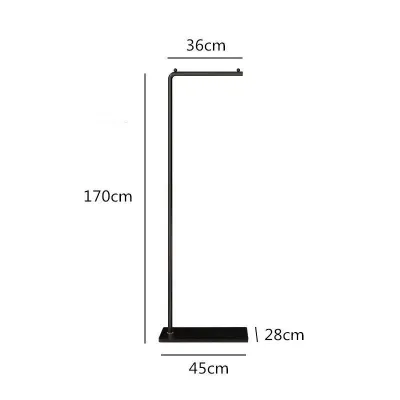
Prices are valid at publication and may change. Please refer to the product page for the latest price.
The umbrella stand portion of the unit requires careful inspection, specifically regarding how it collects and manages water. A high-quality stand must feature a dedicated drip tray or drainage mechanism at the base. Verify the depth of this tray; extremely shallow trays can easily overflow during heavy monsoon downpours when multiple wet umbrellas are placed in the stand at once. Furthermore, ensure the drip tray is fully removable. A fixed tray makes it incredibly difficult to empty collected water and clean out accumulated dirt, which quickly leads to stagnant water and unpleasant odors.
Secondary storage features can significantly enhance the utility of your entryway unit, provided they do not interfere with primary hanging functions. Many modern designs incorporate lower shelves for shoes or top shelves for smaller accessories like keys and mail. When evaluating these multi-functional units, check that the lower shelves are positioned far enough below the hooks so that long coats or bags do not drape directly onto dirty shoes. Similarly, top shelves should be easily accessible without requiring you to reach through a cluster of hanging outerwear.
Material and Build Quality Checks
Given the high humidity levels in Singapore, material selection is paramount to ensure your coat rack does not deteriorate prematurely. Do not rely solely on generic marketing terms like “heavy-duty metal” or “solid wood.” Instead, inspect the product specifications for explicit details regarding protective surface treatments. For metal units, look for powder-coated finishes, anodized aluminum, or rust-resistant coatings that seal the base metal from moisture. If you prefer wood or bamboo, verify that the material has been treated with a water-resistant sealant or polyurethane coat to prevent warping, swelling, and mold growth caused by contact with wet umbrellas.

The structural joints of the unit dictate its long-term stability and resistance to wobbling. Examine how the individual components are joined together. Welded connections on metal frames offer the highest level of stability and are highly resistant to loosening over time, though they make the unit more difficult to disassemble if you move homes. For flat-packed units that rely on screwed assemblies, check if the manufacturer uses threaded metal inserts within the wooden or metal poles. Screws inserted directly into soft wood or medium-density fibreboard (MDF) tend to strip the material over time, leading to a permanently wobbly and unsafe structure.
Finally, always verify the manufacturer-stated weight limits for both individual hooks and the overall unit. A sturdy-looking rack can still fail if its internal joints or mounting brackets are weak. A reliable freestanding unit should specify a maximum weight capacity of at least 3 to 5 kilograms per hook, with an overall weight limit that comfortably exceeds the combined weight of your household’s heaviest bags and outerwear. If a retailer cannot provide clear weight specifications, it is best to look for alternative options that offer transparent structural ratings.
Space, Stability, and Safety Considerations
Before purchasing any entryway furniture, precise spatial planning is necessary to ensure a safe and functional layout. Begin by measuring the exact floor footprint where you plan to place the unit. You must verify that the rack will not obstruct the swing path of your main door, safety gate, or nearby closet doors. Additionally, ensure there is sufficient clearance for walkways; a coat rack that juts into a narrow corridor can become a constant tripping hazard, especially when fully loaded with bulky bags. Aim to leave at least 70 to 80 centimeters of clear walkway space in front of the unit.
The physical stability of a freestanding coat rack is directly determined by its base-to-height ratio and weight distribution. A tall unit with a narrow, lightweight base is highly susceptible to tipping over, particularly when heavy items are hung near the top or on one side. To minimize this risk, look for units that feature a wide, heavy base made of dense materials such as cast iron, solid marble, or thick steel. As a general rule of thumb, the base diameter should be at least one-third of the unit’s total height to provide a stable foundation.
In households with young children or active pets, additional safety measures are essential to prevent tip-over accidents. Even a relatively stable freestanding rack can be pulled down if a child climbs on it or a pet bumps into it. For these environments, prioritize units that include anti-tip wall anchoring hardware, or plan to purchase compatible anchors separately. Anchoring the top of the rack to the wall completely eliminates the risk of tipping, providing peace of mind while maintaining a clean, organized entryway.
Matching the Unit to Your Entryway Layout
The layout of your foyer will largely dictate whether a freestanding, wall-mounted, or corner-style coat rack is the most practical choice. For homes with narrow hallways or limited floor space, such as many modern HDB flats and condominiums, corner units are exceptionally efficient. These designs feature a triangular footprint that fits snugly into underutilized corner spaces, keeping the main walkway completely clear. Linear freestanding models, on the other hand, work best against longer, flat walls where they can serve as a prominent organizational hub.
Wall-mounted coat racks with integrated umbrella loops offer excellent space-saving benefits, but they require careful structural evaluation before installation. In Singapore, many entryway walls are constructed of solid concrete or serve as structural bomb shelter walls. Drilling into these surfaces requires a masonry drill, heavy-duty wall plugs, and sometimes specific management approvals in condominium developments. If your entryway walls are made of drywall, you must locate the internal timber studs to secure the mounting screws, as drywall alone cannot support the weight of a fully loaded coat rack.
Freestanding units offer the distinct advantage of mobility, allowing you to rearrange your entryway layout or move the rack closer to a balcony or service yard to dry out during exceptionally wet periods. However, they do occupy valuable floor space that could otherwise be used for shoe storage or seating. Wall-mounted alternatives keep the floor entirely clear, making it easier to sweep and mop the entryway, but they lack this flexibility and leave permanent holes in your walls if you decide to remove them later. Weigh these trade-offs against your long-term housing plans and cleaning preferences.
Building Your Final Shortlist
To ensure you make a successful purchase, compile a shortlist of candidate units and systematically cross-reference their specifications against your household requirements. Start by comparing the physical dimensions of each product with your measured entryway clearances. Do not forget to measure the height of your longest umbrellas to ensure they will fit comfortably within the stand’s retaining ring without leaning outward at an awkward, space-consuming angle.
Using a structured comparison framework can help clarify the pros and cons of each option. You can create a simple evaluation matrix to compare your top choices side by side:
| Candidate Model | Overall Dimensions (cm) | Max Weight Capacity (kg) | Base Stability Features | Drip Tray Removability |
|---|---|---|---|---|
| Model A | e.g., 30 x 30 x 175 | e.g., 15 kg total | Weighted marble base | Yes (Slide-out plastic) |
| Model B | e.g., 40 x 40 x 180 | e.g., 25 kg total | Wide metal tripod base | Yes (Removable metal cup) |
| Model C | e.g., 25 x 45 x 170 | e.g., 10 kg total | Wall-anchored frame | No (Fixed metal tray) |
Before finalizing your order, confirm the assembly requirements and the tools included with the product. Some units require specialized tools that may not be present in a standard household toolkit, while others arrive fully assembled but require two people to lift and position safely. Finally, carefully review the retailer’s return policy, particularly regarding bulky or heavy furniture items. Ensure you can return or exchange the unit if it arrives with manufacturing defects, misaligned pre-drilled holes, or if it proves incompatible with your entryway space upon delivery.
Frequently Asked Questions (FAQ)
How do I prevent mold or odors in the umbrella stand section?
To prevent mold and unpleasant odors, you must establish a routine for managing moisture in the umbrella compartment. Always empty and dry the removable drip tray immediately after a rainstorm rather than letting water sit for days. Wipe the tray down with a mild disinfectant or a mixture of water and white vinegar to eliminate bacteria. If your unit has a solid, non-removable base, place a highly absorbent, quick-drying diatomite coaster at the bottom to soak up excess water, and ensure the stand is positioned in an area with active airflow to facilitate rapid evaporation.
Can I add extra hooks to a freestanding coat rack later?
Modifying a freestanding coat rack by drilling or attaching aftermarket hooks is generally not recommended. Altering the original structure can compromise the unit’s balance, shift its center of gravity, and void any manufacturer warranties. If you find yourself facing an overflow of items, it is safer to utilize alternative storage solutions, such as over-the-door hook organizers on nearby room doors, or to replace the unit with one that offers a higher built-in capacity. Always select a rack that slightly exceeds your current storage needs to accommodate guests and seasonal changes.

Community discussion
Share your experience or ask a question. Comments are reviewed before publication.