
Singapore’s tropical climate brings sudden, heavy downpours alongside year-round high humidity, making a well-organized entryway essential for keeping a home dry and orderly. When stepping inside from a sudden monsoon shower, having a dedicated spot to immediately shed wet umbrellas and damp outerwear prevents water from tracking onto polished indoor floors. A combined coat rack and umbrella stand serves as a highly functional, space-saving gateway that consolidates wet-weather storage into a single, compact footprint. Choosing the right unit requires balancing structural stability, moisture-resistant materials, and the specific spatial constraints of local apartments. By focusing on verifiable product specifications and practical layout planning, you can select an entryway organizer that handles daily use while keeping your foyer clean and safe.
Key Features to Look for in Entryway Coat Racks
To effectively manage wet weather gear, an entryway organizer must possess specific design elements that handle moisture without degrading. The most critical feature to look for is an integrated drip tray or a removable water catcher situated at the base of the umbrella compartment. Without a dedicated tray, water from wet umbrellas will pool directly onto your flooring, potentially damaging laminate, warping timber, or creating slippery hazards on tiled surfaces. Opt for trays that can be easily slid out or lifted, allowing you to empty collected rainwater without having to lift or tilt the entire heavy rack structure.
Beyond water collection, the overall finish of the unit must be rated to withstand constant exposure to damp items. Look for manufacturer specifications that explicitly detail rust-resistant coatings, powder-coated steel, or specially treated wood surfaces. Standard metal finishes can corrode rapidly when exposed to dripping umbrellas, leading to unsightly rust stains on both the rack and your stored items. Similarly, untreated wood can absorb moisture, leading to swelling, warping, and structural failure over time.
Products mentioned in this guide
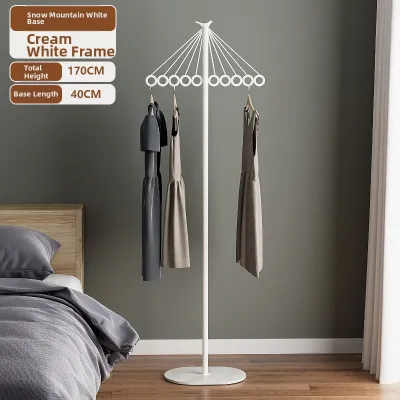

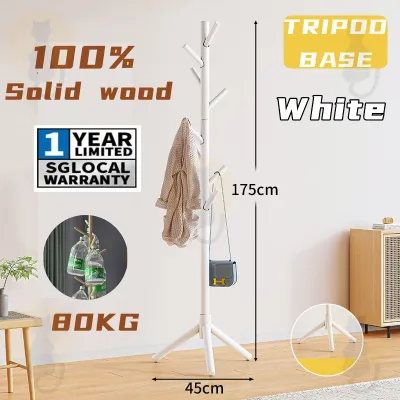
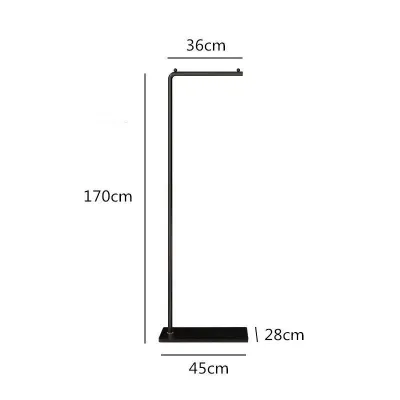
Prices are valid at publication and may change. Please refer to the product page for the latest price.
Hook design and spacing also play a vital role in how quickly damp items dry. Ensure the hooks are positioned with sufficient clearance between them to allow air to circulate freely around hanging coats, rain jackets, and bags. When damp items are crowded together, they remain wet for longer periods, which encourages musty odors and mildew growth. Look for multi-tiered hook arrangements that let you separate heavy bags from damp outerwear, maximizing airflow and accelerating the drying process.
Finally, a stable base design is essential to prevent the entire unit from tipping over when loaded unevenly. Because wet umbrellas and heavy bags can concentrate weight on one side of the rack, the base must feature a wide footprint or a weighted bottom to maintain equilibrium. When evaluating different models, check the base-to-height ratio; a wider, heavier base provides a much lower center of gravity, ensuring the rack remains upright even when you hang a heavy wet trench coat on a single top hook.
Assessing Your Entryway Space and Layout
Before purchasing any entryway furniture, precise spatial planning is necessary to ensure the unit fits comfortably within your home’s layout. Begin by measuring the available floor footprint where you plan to position the rack, keeping in mind that Singapore apartments often feature compact foyers or narrow corridors. You must also check for height restrictions, especially if you plan to place the unit near low-hanging ceiling fixtures, wall-mounted distribution boards, or decorative lighting. Ensure there is ample vertical clearance for long umbrellas to be inserted and removed easily without hitting surrounding structures.

Another critical factor is accounting for door swing arcs and daily foot traffic patterns. Open your main entrance door fully and measure the clearance to ensure the coat rack will not obstruct the door’s path or force guests to squeeze past it upon entering. The unit should sit comfortably outside the primary traffic flow, allowing household members to move freely without bumping into hanging bags or protruding hooks.
When deciding between freestanding and wall-mounted options, consider your floor space limits and structural constraints. Freestanding units offer excellent flexibility as they can be moved easily for cleaning or redecorating, but they require a larger dedicated floor footprint to remain stable. Wall-mounted coat racks with integrated lower umbrella stands save valuable floor space, making them ideal for exceptionally narrow corridors, but they require secure anchoring into solid walls and cannot be easily relocated.
Additionally, you must identify and mitigate potential tripping hazards or visual clutter in narrow walkways. A coat rack that juts out too far into a corridor can easily catch on clothing or cause trips, particularly in low-light conditions. Choosing a streamlined, semi-circular, or corner-fitting design can help keep the walkway clear while still providing full storage functionality.
Material and Finish Considerations for Humid Climates
Singapore’s high ambient humidity demands careful scrutiny of furniture materials to ensure long-term durability. When browsing options, always check the manufacturer’s product specifications for explicit mentions of rust-proofing, anti-corrosion treatments, or moisture resistance. Do not rely solely on generic material names like “metal” or “wood” to assume durability; instead, look for verified details such as powder-coated finishes, anodized aluminum, or stainless steel grades that are chemically formulated to resist oxidation in damp environments.
For units incorporating wooden elements, verify that the wood has been treated with waterproof seals or protective lacquers. Hardwoods like teak or engineered woods with high-pressure laminate finishes generally perform better in humid conditions, provided all edges and joints are fully sealed. Check that there are no exposed, raw wood surfaces, particularly at the base or around screw holes, as these areas are highly susceptible to absorbing moisture from the air and dripping umbrellas.
Pay close attention to the metal joints, hinges, and connection points, as these are often the first areas to show signs of corrosion. High-quality units typically feature brass, stainless steel, or specially coated hardware that resists rust even when exposed to wet umbrellas resting nearby. Inspecting these small components in the product specifications can save you from premature structural failure caused by rusted screws and weakened joints.
Ultimately, the most reliable way to gauge a product’s suitability is to rely on the manufacturer’s care labels and official usage instructions rather than making assumptions based on material aesthetics. If a product label indicates it is for “indoor dry use only” or warns against exposure to moisture, it is unlikely to withstand the demands of a wet umbrella stand, regardless of how robust the material appears.
Evaluating Stability and Weight Capacity
Safety is a paramount consideration when selecting a tall, vertical storage unit like a coat rack. Always locate and adhere to the manufacturer’s stated maximum weight limits for both the individual hooks and the overall frame. Overloading a rack beyond its engineered capacity can lead to structural bending, joint failure, or sudden tipping, which poses a safety risk to everyone in the household.
To ensure the unit remains balanced, examine the base width and check if the product features a weighted bottom or includes anti-tip wall anchors. A heavy cast-iron or concrete-filled base provides the necessary ballast to offset the weight of items hung high on the hooks. If you select a taller or more slender model, utilizing the manufacturer-provided wall anchors to secure the top of the rack to a wall stud or solid masonry is highly recommended to eliminate any risk of tipping.
The way you distribute items on the rack also directly affects its center of gravity. Train household members to distribute weight evenly across all hooks rather than hanging multiple heavy bags on a single side. When placing umbrellas in the stand, position them symmetrically to keep the base balanced, and avoid placing excessively heavy items near the top of the rack while the base remains empty.
If you choose a wall-mounted unit or decide to anchor a freestanding rack for added safety, know when to stop and consult a professional installer. Drilling into entryway walls in Singapore homes can be complex due to concealed electrical wiring, water pipes, or reinforced concrete structures. A qualified professional can ensure the correct wall plugs and fasteners are used, guaranteeing the rack remains securely anchored under heavy loads.
Maintenance and Care for Longevity
Regular maintenance is key to extending the lifespan of your entryway organizer and keeping your foyer clean and hygienic. The most important routine task is emptying and cleaning the umbrella drip trays immediately after heavy rain. Allowing stagnant rainwater to sit in the tray for extended periods creates a breeding ground for mosquitoes, mold, and unpleasant odors, which can quickly spread throughout your entryway.
In addition to moisture management, perform periodic structural checks on the unit. Over time, the daily action of hanging bags and coats can cause screws, bolts, and joint connections to loosen slightly. Set a schedule to inspect the hardware every few months and gently tighten any loose fittings using the appropriate tools to maintain the rack’s structural integrity and prevent wobbling.
When cleaning the surfaces of your coat rack, always follow the manufacturer’s specific cleaning instructions. Avoid using harsh chemical cleaners, abrasive scrubbing pads, or bleach, as these can strip away protective rust-resistant coatings or damage waterproof wood seals. In most cases, a simple wipe-down with a soft, damp microfiber cloth followed immediately by a dry cloth is sufficient to keep the unit looking pristine.
Finally, focus on improving the overall ventilation in your entryway to reduce ambient moisture buildup. If your foyer is enclosed or lacks natural airflow, consider using a small fan or keeping nearby windows slightly open to help damp coats and umbrellas dry faster. Good air circulation not only protects your furniture from mold but also keeps your entire entryway smelling fresh and welcoming.
Frequently Asked Questions (FAQ)
Can I use a freestanding coat rack on a slippery tile floor?
Yes, you can use a freestanding coat rack on slippery tile floors, provided you take specific safety precautions. First, check if the product base comes equipped with non-slip rubberized feet or silicone pads, which provide essential grip and prevent the unit from sliding when loaded. If the base is bare metal or polished wood, you should evaluate the need for aftermarket anti-slip felt or rubber pads to protect both the floor and the rack. Additionally, always ensure the tile floor beneath the base is completely dry before positioning the rack, as trapped moisture can cause the unit to slide easily and may damage the flooring underneath over time.
How do I prevent mold in the umbrella stand compartment?
Preventing mold in the umbrella stand requires active moisture management and regular cleaning. You should make it a habit to remove standing water from the drip trays immediately after a rainstorm rather than letting it evaporate naturally. Whenever possible, allow wet umbrellas to dry partially in an open area before placing them into enclosed or semi-enclosed compartments. Clean the compartment and drip tray regularly using mild, manufacturer-approved soapy water, and dry all surfaces thoroughly afterward. Avoid storing completely soaked items in unventilated base compartments for extended periods, as the lack of airflow combined with tropical warmth creates the perfect environment for fungal growth.
Community discussion
Share your experience or ask a question. Comments are reviewed before publication.