
In Singapore’s compact apartments and high-density living spaces, maximizing entryway efficiency is essential. Finding the right balance between floor space and hanging capacity prevents clutter from taking over your home. The ideal coat rack should accommodate your daily clothes hanger storage needs without obstructing walkways, blocking doors, or overwhelming the room’s visual flow. By evaluating your physical layout and understanding how different rack designs interact with your walls, floors, and doors, you can select a storage solution that is both highly functional and structurally secure.
Assess Your Space and Hanger Storage Requirements
Before browsing designs, you must establish the physical boundaries of your room. Grab a measuring tape and map out the exact footprint where you intend to place the rack. It is not just about the floor space; you must also measure the vertical wall clearance and the swing paths of nearby doors. A rack that fits perfectly when empty can easily block a hallway or prevent a door from opening fully once it is loaded with bulky jackets, bags, and hangers.
Next, audit your daily storage habits to determine your capacity requirements. Count the average number of items your household needs to hang at any given time. Consider whether you will use standard clothes hangers, integrated hooks, or a combination of both. If you plan to use hangers, remember they require more depth than simple hooks. A standard adult clothes hanger is typically about 40 to 45 centimeters wide, meaning a wall-mounted rack or freestanding tree will need sufficient clearance from the wall to prevent hangers from sitting at awkward, crooked angles.
Products mentioned in this guide
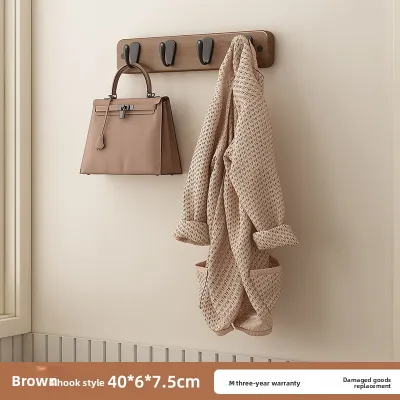
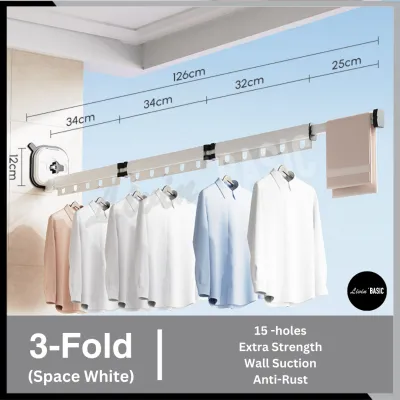
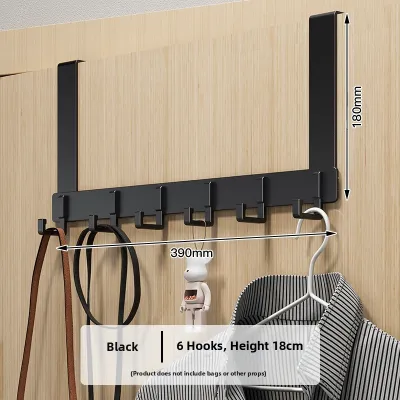
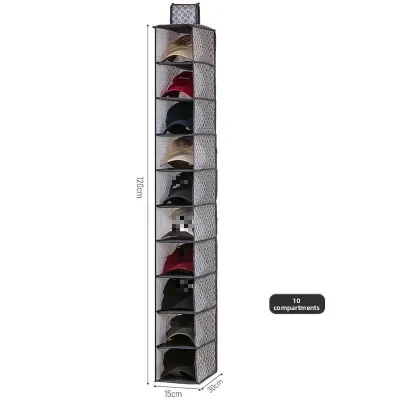
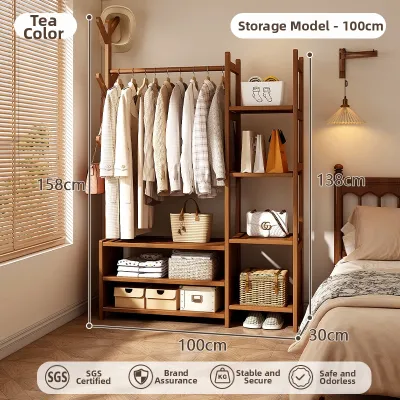
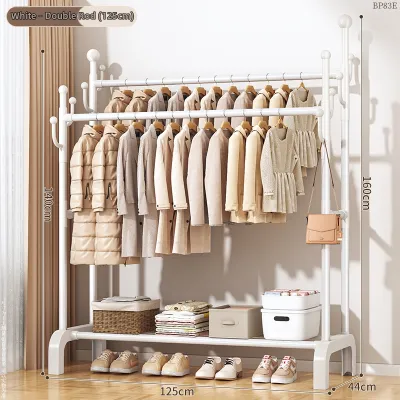
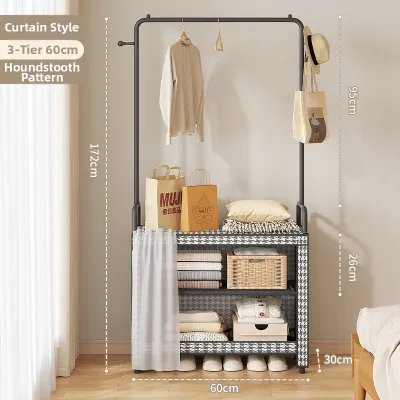
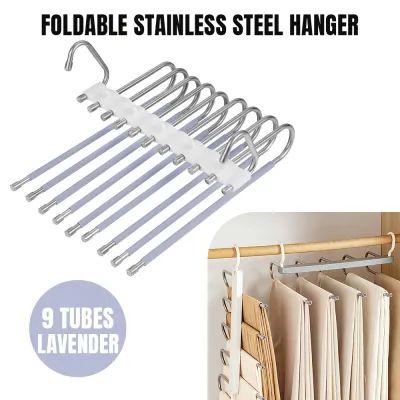
Prices are valid at publication and may change. Please refer to the product page for the latest price.
Finally, consider the traffic patterns of your home. High-traffic zones like entryways require streamlined solutions that keep pathways clear. If your entryway is narrow, a prominent freestanding rack might cause constant collisions. In contrast, an unused corner or a recessed niche can accommodate a more substantial tiered unit. Deciding whether your hanger storage needs to be immediately accessible at the front door or tucked away in a bedroom corner will narrow down your options significantly.
Match Coat Rack Styles to Your Spatial Constraints
Different coat rack configurations solve specific spatial challenges. Understanding the structural demands and spatial footprints of each style allows you to match them to your home’s layout.

Wall-Mounted Racks: These are excellent space-savers for narrow hallways, foyers, or corridors where floor space is at a premium. By lifting your storage off the ground, you keep the floor clear for shoes or easy cleaning. However, wall-mounted units place all their weight on your walls. Before installation, you must check the wall construction. Mounting directly into timber studs provides the most secure hold, while mounting on hollow drywall requires specialized heavy-duty anchors to prevent the rack from pulling out under the weight of heavy coats and hangers.
Freestanding and Tree Racks: If you have an open corner or a spacious foyer, a freestanding tree rack offers excellent flexibility. These units require no wall drilling, making them highly portable and easy to reposition. The critical factor here is the base diameter. A wider base provides better stability but consumes more floor space. You must verify that the floor surface is completely level; placing a top-heavy freestanding rack on uneven tiles or thick carpet can compromise its balance and lead to tipping.
Over-the-Door and Hook Systems: For rental properties or spaces where drilling and floor footprints are completely restricted, over-the-door systems offer a non-invasive alternative. These racks hang directly over the top edge of standard interior doors. Before choosing this option, measure your door thickness to ensure the brackets fit snugly. You also need to check the clearance between the top of the door and the frame; if the gap is too tight, the brackets may scrape the frame or prevent the door from closing properly.
Corner and Tiered Racks: To maximize vertical dead space, corner and tiered racks are highly effective. These units are designed to tuck neatly into 90-degree corners, utilizing space that otherwise goes unused. They often combine hanging rails with lower shelves for shoes or storage baskets. When selecting a corner rack, check your ceiling height and ensure there is enough clearance from adjacent furniture so you can easily reach the hangers without feeling cramped.
Evaluate Hanger Capacity and Structural Stability
A coat rack must do more than just fit into a space; it must safely support the physical load of your garments. Overloading a poorly anchored or unstable rack is a common safety hazard that can damage your walls, floors, and clothes.
Always check the manufacturer’s specified weight limits for both individual hooks and the entire unit. Do not underestimate the cumulative weight of winter coats, damp umbrellas, heavy bags, and multiple wooden clothes hangers. If you plan to use hangers extensively, look for racks with dedicated hanging rails or widely spaced hooks. When hooks are positioned too close together, hangers will overlap, causing clothes to bunch up, wrinkle, and become difficult to retrieve.
The installation method directly dictates the rack’s load capacity. For wall-hung units, standard plastic wall plugs are rarely sufficient for heavy daily use. Instead, look for toggle bolts or expansion anchors designed for your specific wall material, whether it is drywall, plaster, or masonry. If you are assembling a freestanding rack, pay close attention to the assembly instructions. Ensure all joints, screws, and leveling feet are tightened securely to prevent the frame from wobbling or leaning over time.
Common Space and Sizing Mistakes to Avoid
Many homeowners select a coat rack based solely on aesthetics, only to encounter functional issues during daily use. One of the most frequent mistakes is ignoring door swing arcs and walkway clearances. A rack might seem to fit perfectly in an empty entryway, but once you hang bulky coats and wide hangers, it can protrude into the walking path, creating a constant tripping hazard or blocking the front door from opening fully.
Another common error is failing to distribute weight evenly on freestanding racks. If you place all your heavy bags and coats on one side of a tree rack, you shift its center of gravity, making it highly susceptible to tipping over. Always distribute items evenly around the collar of the rack, and place heavier items on lower hooks or shelves to keep the base weighted down.
Lastly, never assume that all walls can support a heavy wall-mounted rack without proper preparation. Mounting a heavy-duty rack onto hollow drywall without locating studs or using the correct heavy-duty anchors is a recipe for structural failure. If you are unsure about your wall’s load-bearing capacity or lack the tools to locate studs, it is always best to consult a professional installer to ensure a safe and secure setup.
Frequently Asked Questions (FAQ)
How much space should I leave between a freestanding coat rack and the wall?
To ensure your clothes hang naturally without being crushed against the wall, you should leave adequate clearance behind the rack. Measure the width of your largest clothes hangers—typically around 40 to 45 centimeters—and add a buffer of at least 5 to 10 centimeters. This prevents the hangers and garments from rubbing against the wall, which can cause scuff marks on your paint. Additionally, ensure the base of the rack does not press against baseboards, block floor vents, or cover electrical outlets that you need to access regularly.
Can I install a wall-mounted coat rack on drywall without studs?
Yes, you can install a wall-mounted coat rack on drywall without studs, but you must use specialized heavy-duty drywall anchors, such as toggle bolts or steel hollow-wall anchors. Standard plastic expansion plugs are not designed to hold the dynamic, downward pulling force of a fully loaded coat rack. Always check the weight rating of the anchors you purchase and compare it to the combined weight of the rack and your heaviest garments. If the expected load exceeds the safe limit of drywall anchors, you must mount the rack directly into timber studs or seek professional installation assistance.

Community discussion
Share your experience or ask a question. Comments are reviewed before publication.