
Protecting your home’s flooring from the constant friction of office chair casters requires finding the right chair wheel cover for your specific floor type. The ideal cover acts as a protective barrier, absorbing the pressure of daily movement while preventing grit from grinding into your floor’s finish. Rather than relying on a single universal solution, selecting the right cover involves matching the physical properties of your flooring—whether it is delicate solid hardwood, moisture-sensitive laminate, or textured tile—with the specific material and design of the cover. By verifying compatibility labels, measuring your casters accurately, and establishing a routine inspection schedule, you can maintain smooth chair mobility while keeping your floors free from scratches and scuffs.
Identifying Your Floor Type and Its Protection Needs
Before purchasing any chair wheel cover, you must accurately identify the exact material and finish of your flooring, as different surfaces react uniquely to pressure and friction. Solid hardwood and engineered wood floors feature natural wood grains protected by a surface finish, such as polyurethane or oil, which can wear down under the continuous rolling of hard plastic wheels. Laminate flooring, while highly durable, consists of a dense fiberboard core topped with a photographic layer and a clear wear layer; its vulnerability lies primarily at the seams, where moisture or excessive pressure can cause swelling or chipping. Tile and natural stone floors present a different challenge, characterized by hard, often textured surfaces separated by recessed grout lines that can cause wheels to bump, catch, or chip along the edges.
To assess your floor’s current condition, perform a close visual and physical inspection of the area directly beneath and around your desk. Look for existing wear patterns, such as a dulling of the floor’s sheen, fine hairline scratches, or deeper indentations where the chair wheels frequently travel. Addressing these issues early can prevent permanent damage, saving you from costly floor refinishing projects that can easily exceed S$1,000 in local homes. If your flooring was recently installed, consult the manufacturer’s documentation or warranty guidelines, as some flooring warranties specifically require the use of certain protective accessories or may be voided by the use of incompatible rubber or plastic backings. Additionally, consider the combined weight of the chair and the occupant, alongside your typical movement patterns throughout the day. A heavier setup or a habit of frequent, rapid rolling increases the downward force exerted on the floor, necessitating a cover with robust cushioning and a secure fit.
Products mentioned in this guide
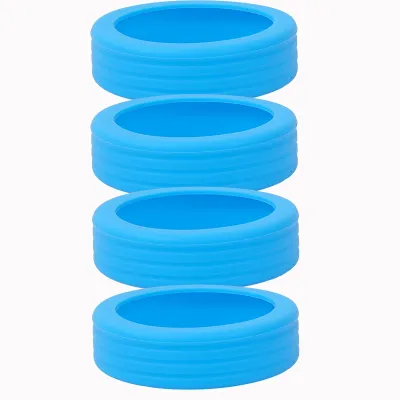
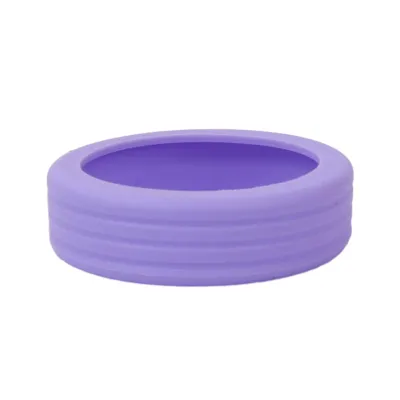
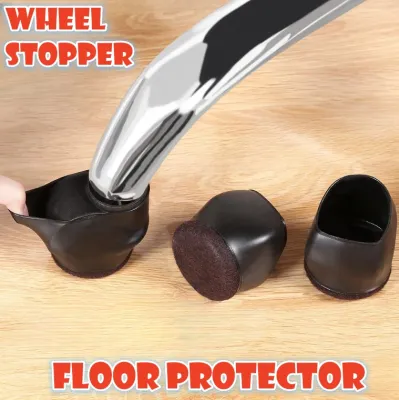
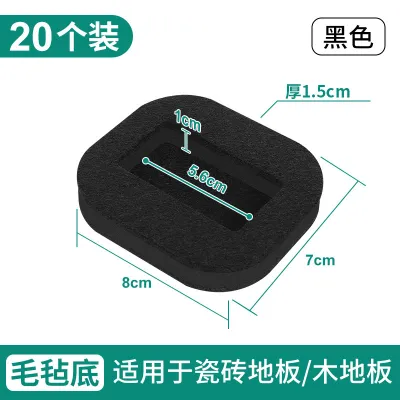
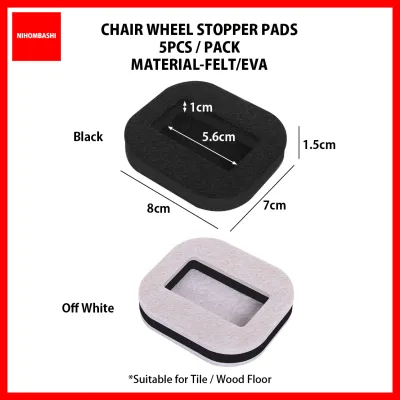
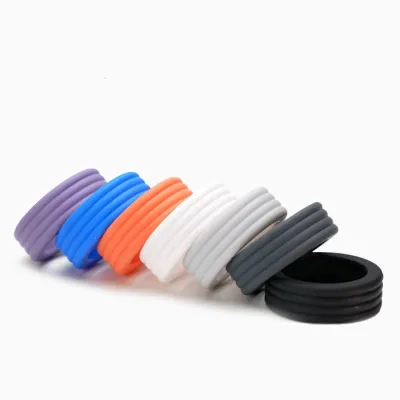
Prices are valid at publication and may change. Please refer to the product page for the latest price.
Matching Cover Materials to Hard Surface Floors
When evaluating chair wheel covers, it is essential to check product labels and manufacturer specifications for explicit floor compatibility rather than assuming a material is safe based on its name alone. Many covers are marketed under broad categories like silicone, felt, or soft rubber, but the actual formulation and backing can vary significantly between brands. Look for packaging that explicitly states the cover is safe for your specific floor type, such as “safe for polyurethane-finished hardwood” or “non-marking on luxury vinyl plank.” Relying on generic material descriptions without verifying these targeted compatibility claims can lead to unexpected floor damage.

The texture and design of the cover also introduce important trade-offs regarding debris trapping and floor friction. Soft, fibrous materials like felt or woven fabric provide excellent cushioning and glide smoothly over flat surfaces, but their porous nature means they can easily trap tiny particles of dust, sand, or pet hair. If these particles become embedded in the cover, they act like sandpaper, scratching the floor every time the chair moves. Conversely, smooth elastomeric materials like silicone or soft polyurethane are easier to wipe clean and do not trap grit within their structure, but they may create higher friction on highly polished floors, making the chair harder to roll or causing the cover to squeak.
Furthermore, verify that the chosen covers do not contain chemical plasticizers or adhesives that could migrate into your floor’s finish over time. Some low-grade rubber or soft plastic covers can undergo plasticizer migration, reacting with the floor’s protective coating to leave a sticky residue or cause permanent yellow discoloration. To prevent this, look for high-quality, food-grade silicone or vulcanized rubber covers that rely on physical tension and a snug fit rather than adhesives to stay secured to the caster wheels.
Considerations for Hardwood and Engineered Wood
Wood floors require the highest level of care due to their susceptibility to scratching, denting, and moisture damage. When shopping for covers for hardwood or engineered wood, prioritize products that explicitly feature non-marking and non-staining properties on their packaging. These covers are formulated to distribute weight evenly across a wider surface area, reducing the localized pressure that causes deep indentations in softer wood species.
Additionally, select a cover design that minimizes the gap between the wheel and the floor, preventing small household debris from slipping underneath. A cup-style cover that wraps snugly around the lower half of the wheel can help deflect loose grit away from the contact point. Finally, always review your wood floor manufacturer’s care instructions; some finishes require specific maintenance routines, and using an unapproved cover material that traps ambient humidity against the wood can cloud the finish or cause localized cupping.
Considerations for Tile, Stone, and Laminate
Tile and stone floors present a unique structural challenge due to the presence of grout lines. When selecting wheel covers for these surfaces, check the cover’s thickness and flexibility to ensure it can transition smoothly over grout joints without catching or causing the chair to jar. A slightly thicker, shock-absorbing cover can help cushion the impact as the wheel rolls over uneven tile edges, helping to protect both the tile glaze and the caster mechanism from chipping.
For highly polished tile or natural stone, verify that the cover material provides adequate grip to prevent the chair from sliding uncontrollably when you sit down or stand up. A cover with a textured bottom surface can offer the necessary traction on slick porcelain or marble. For laminate flooring, the primary concern is protecting the vulnerable seams between planks; ensure the cover design does not trap moisture or condensation underneath, as trapped liquid can seep into the laminate core, leading to irreversible swelling and warping of the plank edges.
Sizing, Fit, and Installation Checks
Achieving a secure and safe fit requires precise measurement of your chair’s caster wheels before making a purchase. Do not rely on standard sizing assumptions, as caster dimensions can vary widely across different office chair brands and models. Use a caliper or a precise measuring tape to measure both the outer diameter of the wheel and the overall width of the double-wheel assembly. Most wheel covers are designed to stretch or snap over specific ranges, such as 50mm or 60mm wheels, and choosing a size even slightly too large can cause the cover to slip off during use, creating a tripping hazard or exposing the bare wheel to the floor.
Next, examine the installation mechanism of the cover to ensure it is compatible with your wheel’s shape and housing. Some covers are designed as flexible silicone cups that stretch over the entire wheel, while others are rigid plastic caps with felt bottoms that clip onto the caster axle. Ensure that the cover does not interfere with the swiveling action of the caster stem or rub against the chair’s plastic wheel guard, as this friction can restrict movement and damage the caster assembly.
Before fitting the covers, thoroughly clean the caster wheels to remove any existing dirt, hair, or grease that could prevent a snug fit or cause the cover to slip. Review the manufacturer’s installation instructions carefully; some flexible covers may require warming in warm water to increase elasticity before stretching them over the wheels. Avoid using sharp tools like screwdrivers to pry the covers onto the wheels, as this can easily puncture the cover material or damage the caster stem.
Maintenance and When to Replace Your Covers
To ensure ongoing protection for your floors, establish a regular cleaning and inspection schedule for your chair wheel covers. At least once a month, tilt your chair over and inspect the underside of each cover. Wipe down silicone or rubber covers with a damp microfiber cloth to remove accumulated dust, pet hair, and grit. If you use felt-bottomed covers, use a soft brush or vacuum attachment to clear away embedded debris that could act as an abrasive against your floor finish.
During these routine cleanings, look closely for visual signs of wear and tear that indicate the covers need to be replaced. Check for thinning of the material at the primary contact points, cracking or splitting along the edges of flexible cups, or a noticeable loss of grip on the floor surface. If a cover has worn through to the point where the hard plastic of the caster wheel is making contact with the floor, remove the cover immediately to prevent damage.
If you notice that a cover is repeatedly slipping off, tearing during normal use, or failing to provide smooth mobility, stop using it and consult the cover or chair manufacturer for suitable replacements. Continuing to use a damaged or poorly fitting cover can lead to sudden chair instability or unexpected floor scratches.
Frequently Asked Questions (FAQ)
Can I use the same wheel covers on carpets and hard floors?
Generally, wheel covers designed specifically for hard floors are not suitable for carpeted areas. Soft, high-friction materials like silicone or rubber can grip carpet fibers too tightly, making the chair difficult to roll and potentially snagging or pulling the carpet pile over time. Conversely, felt covers may collect carpet lint rapidly, reducing their effectiveness when transitioned back to hard floors. Always check the manufacturer’s intended use guidelines to verify if a specific cover is rated for multi-surface compatibility before moving your chair between different flooring types.
Do chair wheel covers affect the rolling smoothness of my chair?
Yes, installing wheel covers will alter the rolling resistance of your chair, depending on the cover material and your floor’s texture. Softer materials like rubber or silicone increase friction slightly, which can actually be beneficial on slick tile or hardwood by preventing the chair from drifting when you move. However, if you prefer a highly fluid glide, felt-bottomed covers or specialized caster wheels may be more suitable. To ensure the covers meet your mobility needs without compromising stability, test the chair in a small, inconspicuous area of your room immediately after installation.

Community discussion
Share your experience or ask a question. Comments are reviewed before publication.