
Selecting the right chair sock material is the key to preserving the beauty and longevity of your home’s flooring. While these fabric sleeves offer a simple and cost-effective way to prevent scratches, a mismatch between the sock material and your floor type can lead to unexpected damage. For hard, textured surfaces like ceramic tiles, thick knitted acrylic or heavy-duty felt-bottomed socks distribute weight and resist friction. For synthetic surfaces like vinyl, smooth, non-reactive inner linings with a snug fit prevent scuffing and chemical reactions. For delicate hardwood, breathable woven fabrics with soft, non-marking interiors protect the sensitive polyurethane or oil finish from moisture buildup and micro-scratches. Selecting the right material ensures your chairs glide smoothly without leaving unsightly marks or causing structural wear over time.
Identify Your Floor's Specific Vulnerabilities
Every flooring material reacts differently to the daily friction, pressure, and movement of household furniture. Understanding these unique vulnerabilities is the first step in choosing a protective barrier that works with, rather than against, your home’s surfaces.
On hard, smooth surfaces like ceramic, porcelain, or polished stone tiles, the primary risks are scratches, scuffs, and point-load cracking. Heavy furniture concentrates immense pressure on the small contact points of chair legs. When a chair is dragged abruptly across a tiled floor, any trapped grit beneath the leg can act as an abrasive agent, leaving permanent scratches. Furthermore, sudden impacts or uneven weight distribution can put excessive stress on individual tiles, potentially leading to hairline cracks or chipped grout lines over time.
Products mentioned in this guide
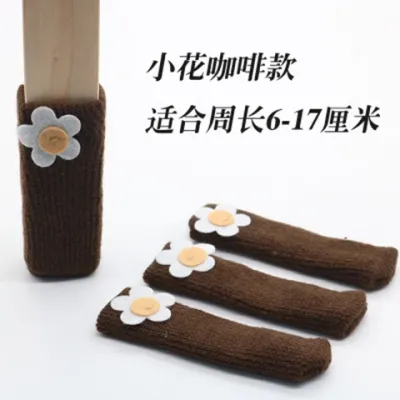
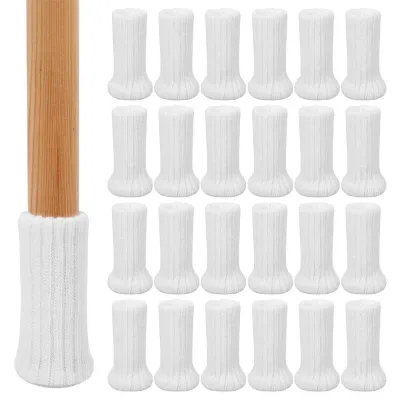
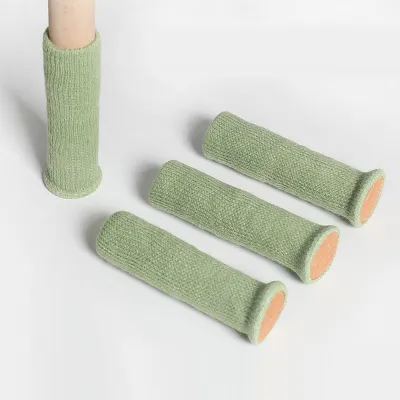
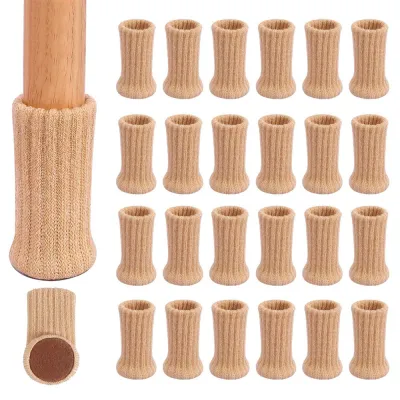
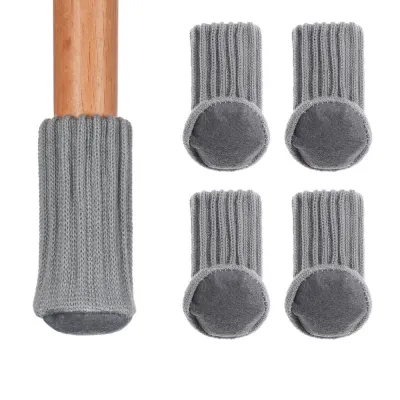
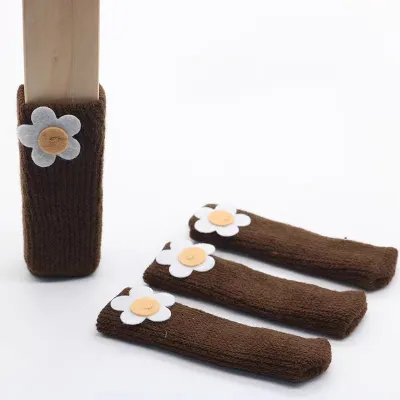
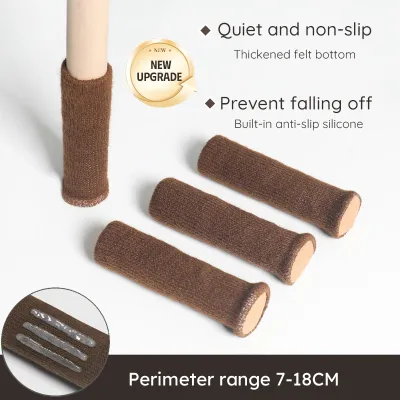
Prices are valid at publication and may change. Please refer to the product page for the latest price.
Wood-based floors, including solid hardwood and engineered wood, present a different set of challenges, primarily related to moisture-trapping and finish damage. Wood is a natural, porous material that must breathe to maintain its structural integrity. If a chair protector traps humidity against the wood surface, it can cause the protective topcoat—such as polyurethane or oil—to cloud, discolor, or even peel. Additionally, wood finishes are highly susceptible to micro-scratches from fine dust particles, which can quickly dull a high-gloss or satin sheen.
Synthetic surfaces like luxury vinyl tiles (LVT), sheet vinyl, and laminate floors are highly durable but have distinct vulnerabilities to indentation, adhesive residue, and chemical reactions. Heavy, stationary furniture can leave permanent indentations in the relatively soft core of vinyl flooring. Moreover, certain low-grade rubberized backings or adhesives used in cheap furniture pads can chemically react with the plasticizers in vinyl, resulting in permanent yellow or dark stains that cannot be washed away.
Match Material Properties to Your Floor Type
To prevent these issues, you must match the physical properties of the chair sock to the specific needs of your floor. A successful pairing balances sliding friction, breathability, and padding thickness to ensure maximum protection without compromising the stability of your furniture.

Protecting Tiles and Polished Stone
When selecting chair socks for tiled or polished stone floors, prioritize structural thickness and weight distribution. Because tile floors feature grout lines, chair legs frequently bump over these small recesses, which can accelerate wear on both the chair leg and the tile edges.
Check for adequate padding thickness to distribute weight and prevent point-load stress on the tiles. Heavy-duty knitted socks, particularly those reinforced with an integrated felt base, provide the necessary cushioning to absorb the impact of a chair sliding over uneven grout joints. This extra padding helps disperse the downward force of a seated person, reducing the risk of chipping the tile edges.
Verify the outer grip texture to prevent furniture from sliding too easily on highly polished surfaces. While you want the chair to glide smoothly when pushed, excessive slipperiness on polished marble or glossy ceramic can cause chairs to slide out from under someone sitting down. A balanced material, such as a dense acrylic blend with a textured weave, offers just enough resistance to keep the chair stable while still allowing controlled movement.
Ensure the material is colorfast and non-bleeding to avoid staining porous grout lines. In humid climates, moisture from routine floor mopping or high indoor humidity can cause cheap, heavily dyed fabrics to bleed color. If this dye transfers into light-colored grout, it can leave permanent stains that are incredibly difficult to clean. Opt for high-quality, colorfast synthetic fibers that will not transfer pigment when damp.
Safeguarding Vinyl and Laminate Surfaces
Synthetic floors require materials that protect their delicate wear layers while avoiding chemical interactions that can ruin the floor’s appearance.
Avoid materials that trap moisture or contain compounds that may react with vinyl plasticizers over time. Many inexpensive furniture protectors use cheap rubber or synthetic adhesives to keep the sock in place. Over months of contact, these materials can undergo plasticizer migration, a chemical reaction that permanently discolors vinyl flooring. Look for socks made from pure woven fabrics, such as polyester or cotton blends, that do not rely on rubberized inner coatings.
Select smooth, non-abrasive inner linings to prevent micro-scratches on the wear layer. Even though vinyl is highly resilient, fine grit trapped inside a rough, coarse sock can act like sandpaper under the weight of a chair. A soft, smooth inner lining helps trap fine dust particles within the fabric fibers, keeping them away from the floor’s surface.
Ensure a snug fit so the sock does not bunch up, creating tripping hazards or catching on floor seams. Loose-fitting socks can slip down the chair leg, exposing the hard wood or metal edge directly to the floor. Additionally, bunched-up fabric can catch on the slightly raised edges of laminate planks, potentially lifting the seams or causing the chair to wobble.
Preserving Hardwood and Engineered Wood Finishes
Wood floors demand the highest level of care, as repairing a damaged wood finish can be an expensive and labor-intensive process. The ideal chair sock for hardwood must be gentle, breathable, and highly flexible.
Prioritize breathable fabrics that allow air circulation to prevent condensation and finish clouding. Solid hardwood and engineered wood are sensitive to trapped moisture. If a non-porous material, such as silicone or rubber, is wrapped tightly around a chair leg resting on wood, microscopic moisture can become trapped underneath. Over time, this trapped humidity can cause a hazy, white discoloration in the polyurethane finish, known as blushing. Breathable woven cotton or wool-blend socks allow air to circulate freely, preventing moisture buildup.
Check for soft, non-marking inner layers that will not strip or dull polyurethane and oil coats. The inner surface of the sock should be completely free of rough seams, hard plastic threads, or adhesive residue. A soft, plush interior ensures that the sock gently hugs the chair leg without rubbing away the protective topcoat of the wood.
Verify the sock allows smooth gliding without catching on raised wood grain or expansion gaps. Wood floors naturally expand and contract with seasonal humidity changes, creating tiny height variations between individual planks. A high-quality chair sock should have a smooth, rounded bottom—often reinforced with soft felt—that glides effortlessly over these minor transitions without snagging or pulling on the wood grain.
Measure and Verify Fit Before Purchasing
Even the best material will fail to protect your floors if the chair socks do not fit properly. Taking precise measurements of your furniture legs is essential to ensure a secure, stable, and long-lasting fit.
Measure the chair leg diameter, shape, and any tapering accurately. Chair legs come in various profiles, including round, square, rectangular, and highly angled designs. To find the correct size, use a flexible measuring tape to determine the perimeter of the leg at its lowest point. For round legs, divide the perimeter by 3.14 to find the diameter. For square or rectangular legs, measure the width of each side. If the legs are tapered, measure the dimensions at both the very bottom and about five centimeters up to ensure the sock’s elastic can accommodate the change in width.
Check the product’s elastic band tension, stretch limits, and weight capacity relative to the furniture. A sock that is too tight will be under constant tension, causing the seams to split and the fabric to wear out prematurely. Conversely, a sock that is too loose will slide down, bunch up under the leg, or fall off entirely when the chair is lifted. Look for products that specify their stretch range and feature reinforced elastic bands at the cuff to keep them securely in place.
Verify the thickness of the padding to ensure it does not interfere with the chair’s stability or leg angle. While thick padding is excellent for protecting floors, excessively bulky socks can alter the angle of tapered chair legs, causing the chair to wobble or putting uneven stress on the leg joints. Ensure the padded base is flat and centered under the leg to maintain the chair’s original design stability.
Maintain, Clean, and Know When to Replace
Like any household accessory, chair socks require regular maintenance to remain effective. Over time, they accumulate dust, pet hair, and microscopic grit that can compromise their protective qualities.
Follow washing instructions to remove embedded grit and dust that could act like sandpaper against the floor. As chairs are moved, the fibers of the socks naturally trap fine particles from the floor. If left unwashed, this accumulated grit turns the soft sock into an abrasive pad that scratches the floor with every movement. Regularly removing the socks and washing them—typically in a mesh laundry bag on a gentle cycle—restores their softness and removes harmful debris. Allow them to air dry completely before putting them back on the chair legs.
Inspect the socks regularly for worn-out padding, stretched elastic, or exposed hard seams. Turn the socks inside out during cleaning to check if the fabric has thinned at the high-pressure contact points. If the elastic has lost its stretch or the fabric has worn through to expose the chair leg, the sock must be replaced immediately.
Stop using damaged socks right away and consult your flooring manufacturer if unexpected marks or reactions appear. If you notice any unusual dullness, discoloration, or sticky residue on your floors, remove the socks immediately. Consulting your flooring manufacturer or a professional installer can help you identify the cause of the reaction and guide you on the safest way to restore your floor’s finish.
Frequently Asked Questions (FAQ)
Can I use the same chair socks for indoor and outdoor furniture?
Outdoor environments expose furniture accessories to intense sunlight, rain, and fluctuating humidity. Standard indoor chair socks are typically made from cotton or acrylic blends that lack UV resistance, causing them to degrade and tear quickly when used on a balcony or patio. Furthermore, indoor fabrics will absorb rainwater and trap moisture against the metal or wood legs, promoting rust, rot, and mold growth. For outdoor settings, look for specialized weather-resistant glides or caps designed with drainage holes and UV-stabilized materials.
Are chair socks safe for chairs with casters or wheels?
Chair socks are designed specifically for stationary legs and are not safe or effective for chairs with casters or wheels. Attempting to wrap a sock over a wheel restricts its ability to roll, which can cause the wheel to drag flat across the floor, leading to severe scuffing or structural strain on the chair’s base. If you need to protect your floors from a rolling office chair, consider using specialized soft polyurethane caster wheels designed for hard floors, or place a dedicated protective floor mat under the workspace.

Community discussion
Share your experience or ask a question. Comments are reviewed before publication.