
To choose the right chair rubber feet, you must match the precise shape and dimensions of your chair legs with a compatible attachment style and a rubber compound suited to your flooring. Selecting the wrong size leads to slipping, tearing, or unstable seating, while choosing the wrong material can result in scuffed floors or accelerated wear. By systematically measuring your furniture legs, evaluating the angle of contact, and checking the manufacturer’s sizing tolerances, you can secure a stable, floor-protecting fit that extends the life of both your furniture and your home’s surfaces.
Assess Your Chair Leg Shapes and Dimensions
To get an accurate measurement of a round leg, do not rely on a standard ruler held across the bottom, as parallax error can easily throw off your reading by two to three millimeters. Instead, use a vernier caliper to clamp directly onto the lowest point of the leg where the rubber foot will sit. If you do not have a caliper, wrap a thin strip of paper tightly around the perimeter of the leg, mark the overlap point with a sharp pencil, lay the paper flat against a ruler to find the circumference, and divide that number by 3.14 to calculate the exact diameter.
For square or rectangular legs, you must measure both the width and the depth of the leg base. Even if a leg appears perfectly square, manufacturing tolerances in wooden or metal furniture often result in slight variations that can cause a rigid rubber cap to split during installation or slip off during use. Write down both dimensions separately and check if the leg profile remains uniform or tapers near the bottom.
Products mentioned in this guide
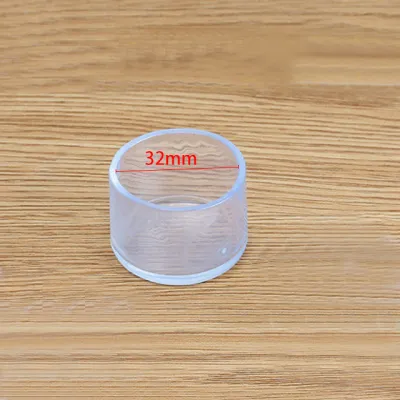
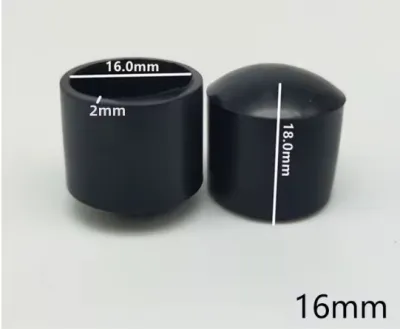
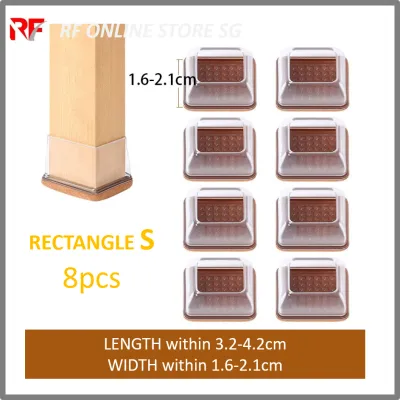
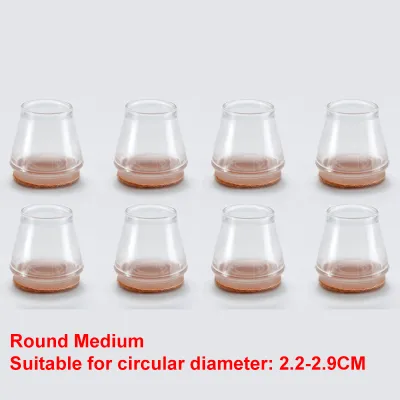
Prices are valid at publication and may change. Please refer to the product page for the latest price.
Tapered, angled, or irregular leg profiles require careful observation before purchasing replacement feet. If the chair legs flare outward at an angle, a standard flat-bottomed slip-on cap will only make contact with the floor on its outer edge, leading to rapid, uneven wear and potential damage to your flooring. For these designs, look for flexible rubber boots with angled bases or ball-jointed glide inserts that adjust dynamically to the angle of the floor.
Weight distribution and load-bearing requirements are critical factors that depend on the chair’s total mass and how frequently it is used. A heavy solid-oak dining chair or a commercial-grade office chair exerts significantly more downward pressure than a lightweight aluminum folding chair. When selecting rubber feet, inspect the thickness of the base material; thin, low-density rubber will quickly compress under heavy loads, allowing the hard edge of the chair leg to cut through the rubber and scratch your floor.
Match the Attachment Type to Your Leg Profile
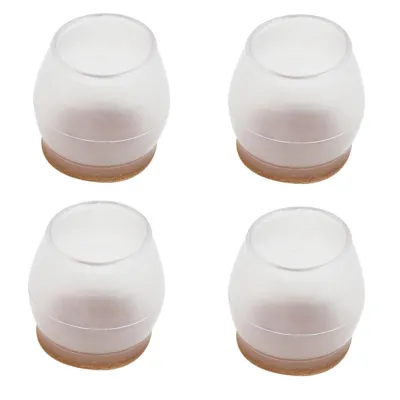
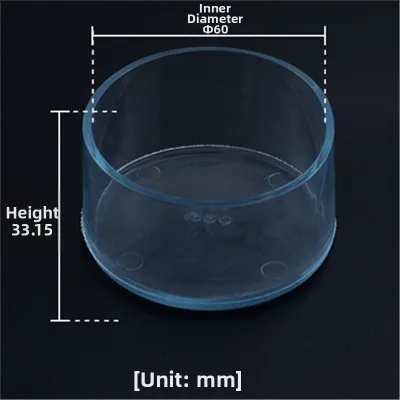
Slip-on caps and sleeves are the most common choice for standard straight legs with uniform diameters. These caps slide directly over the bottom of the leg, relying on friction and the natural elasticity of the rubber to stay in place. To ensure a secure fit, the inner diameter of the cap should match the outer diameter of the leg exactly, or be slightly smaller by a fraction of a millimeter to create a tight, non-slip grip.

For solid wooden or heavy-duty furniture legs where adhesives are prone to failing under lateral shear force, screw-on or nail-on glides offer a far more secure, permanent solution. These feet feature a metal screw or nail integrated into a durable rubber base, which is driven directly into the center of the wooden leg. When installing these, always drill a pilot hole slightly smaller than the screw diameter first to prevent the wood from splitting, and ensure the screw head is fully recessed within the rubber so it never makes contact with your floor.
Adhesive-backed rubber pads are highly versatile and work well on flat-bottomed, metal, or unconventional leg shapes that cannot accommodate slip-on caps or screw-on glides. However, their longevity depends heavily on the quality of the adhesive and the preparation of the surface. In warm, humid environments, or on chairs that are dragged frequently across textured floors, the adhesive backing can degrade, causing the pad to slide out of alignment and leave a sticky residue on your floor.
For chairs with tapered or angled legs, adjustable or flexible rubber feet are essential to maintain stability and protect your floors. Some flexible options feature a stretchable silicone or soft rubber sleeve that conforms to irregular shapes, while others utilize a threaded stem with a pivoting rubber base that self-levels when weight is applied. These designs ensure that the entire surface area of the rubber foot remains in flat contact with the floor, distributing weight evenly and preventing premature wear.
Evaluate Material Density and Floor Compatibility
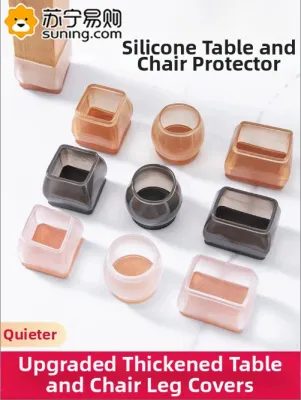
When browsing product labels, you will encounter various materials, primarily soft rubber, silicone, and heavy-duty vulcanized rubber. Soft rubber and silicone are highly flexible and provide excellent grip, making them ideal for lightweight chairs on smooth, hard surfaces where sliding needs to be minimized. Vulcanized rubber, on the other hand, undergoes a chemical curing process that makes it significantly harder, more durable, and resistant to tearing, making it the preferred choice for heavy furniture and high-traffic areas.
Matching the density of the rubber feet to your specific flooring type is crucial for both protection and mobility. On hard, smooth surfaces like polished porcelain tiles, marble, or engineered hardwood, a medium-density rubber or silicone foot provides the perfect balance of grip and floor protection without leaving scuff marks. For carpeted areas, however, rubber feet can create too much friction, making the chair difficult to move and potentially snagging the carpet fibers; in these cases, a hard plastic or felt-bottomed glide is often more suitable.
To ensure your floors remain pristine, verify non-marking and non-scuffing claims by checking the manufacturer’s specifications rather than relying on appearance alone. Low-quality black rubber feet often contain carbon black fillers that can leave stubborn, dark streaks on light-colored tiles or vinyl flooring when subjected to friction. Look for products explicitly labeled as “non-marking,” which typically use clear, white, or grey high-grade synthetic rubber compounds that do not transfer pigment to your floors.
Environmental factors also play a significant role in the degradation of rubber materials. If you are selecting feet for outdoor patio chairs, balcony furniture, or chairs used in high-moisture areas like kitchens and bathrooms, standard indoor rubber feet will quickly dry out, crack, or become brittle due to UV exposure and humidity. For these applications, choose UV-stabilized synthetic rubbers like EPDM or neoprene, which are specifically engineered to withstand outdoor elements and temperature fluctuations without breaking down.
Step-by-Step Sizing and Purchasing Checklist
Before finalizing your purchase, cross-reference your physical measurements with the manufacturer’s sizing charts and tolerance ranges. Many slip-on rubber feet are designed to stretch slightly, meaning a single size might accommodate a small range of leg diameters (for example, 18mm to 20mm). Always choose a size where your measured leg diameter falls comfortably within the middle of the manufacturer’s specified range, rather than at the absolute maximum limit, to avoid over-stretching and tearing the rubber.
Next, consider how the addition of the rubber feet will affect the overall height and ergonomics of your chairs. Thick, heavy-duty rubber feet can add anywhere from 5mm to over 15mm to the height of a chair leg. While this might seem negligible, it can noticeably alter the seating height relative to your dining table or desk, potentially causing discomfort during extended use or preventing the chair arms from sliding neatly under the tabletop.
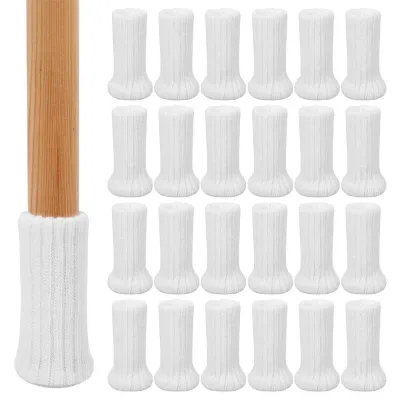
Always review the multi-pack quantities available to ensure you can replace the feet uniformly across your entire furniture set. If you are updating a dining set of six chairs, you will need 24 individual feet; purchasing a single bulk pack is often more cost-effective than buying multiple smaller packs, and it ensures that all feet come from the same manufacturing batch, guaranteeing consistent color, density, and height. Keep a few spare feet on hand to replace any that wear out prematurely.
Finally, plan for a periodic wear inspection and understand the expected replacement cycle of your rubber feet. Depending on the frequency of use, the weight of the occupants, and the texture of your flooring, rubber feet will naturally wear down over time. Inspect the bottom of the feet every six months for signs of thinning, cracking, or embedded grit, which can act like sandpaper against your floors. Replacing worn feet promptly for a nominal cost of a few S$ is a simple way to avoid incredibly expensive floor refinishing or repair bills later on.
Frequently Asked Questions (FAQ)
Can I use rubber feet on chairs with casters or wheels?
Standard rubber feet are not designed to fit directly onto chairs equipped with rolling casters or wheels. Caster assemblies rely on a stem or plate mounting system that is structurally different from a solid, flat-bottomed chair leg. Attempting to force a slip-on rubber cap over a wheel can cause the chair to become highly unstable, putting severe lateral strain on the wheel axles and potentially causing the chair to tip over. If you need to immobilize a rolling chair or protect your floors from caster wear, use specialized caster cups that cradle the wheels, or replace the casters entirely with stationary bell glides designed for office chairs.
How do I remove old adhesive residue before applying new stick-on feet?
To ensure a strong bond for your new adhesive-backed rubber feet, you must completely remove any sticky residue left behind by old pads. Start by gently scraping away the bulk of the residue using a plastic scraper or the edge of an old credit card to avoid scratching the chair leg. For stubborn adhesive on metal or finished wood legs, apply a small amount of a mild household solvent, such as rubbing alcohol or a citrus-based adhesive remover, to a clean cloth and rub the area gently. Always wipe the surface with a damp cloth to remove any solvent residue, and allow the leg to dry completely before applying the new feet.
Do rubber feet prevent chairs from sliding on smooth tiles?
High-quality rubber feet provide excellent grip and slip resistance on smooth surfaces like polished porcelain tiles, marble, or polished concrete. The natural friction of the rubber compound prevents the chair from sliding easily under normal use, which helps maintain stability and prevents accidental slips. However, the effectiveness of this grip can be significantly reduced if dust, pet hair, or moisture accumulates on the bottom of the feet. Regularly wiping the rubber bases with a damp cloth to remove debris will restore their natural traction and ensure they continue to hold firmly on smooth floors.

Community discussion
Share your experience or ask a question. Comments are reviewed before publication.