
Quick Answer: Matching Shoe Box Capacity to Footwear
Finding the right transparent shoe box requires looking beyond the external product packaging. To ensure your footwear fits comfortably without bending or scuffing, you must prioritize the internal dimensions of the box rather than its outer measurements. External dimensions often include structural frames, interlocking ridges, and door hinges that do not contribute to the actual storage space inside.
To establish a baseline for your storage setup, identify the longest, widest, and tallest shoes in your current collection. Different styles of footwear demand distinct height and length clearances to maintain their shape and remain easily accessible. A standard flat shoe requires far less vertical clearance than a platform sneaker or a high-heeled pump, meaning a one-size-fits-all approach often leads to either crushed heels or wasted wardrobe space.
How to Measure Your Footwear for Box Sizing
Accurate measurements are the foundation of an organized, damage-free shoe display. To begin, place your longest pair of shoes flat on a level surface. Measure the length from the back of the heel to the tip of the toe, keeping the measuring tape parallel to the sole. Always add a small margin of approximately 1 to 1.5 centimetres to this measurement; this extra clearance ensures you can slide the shoes in and out of the box opening without scraping the front or back panels.
Products mentioned in this guide
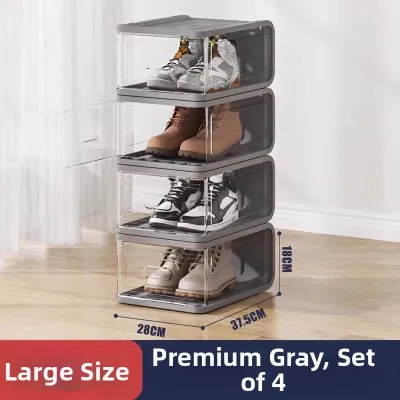
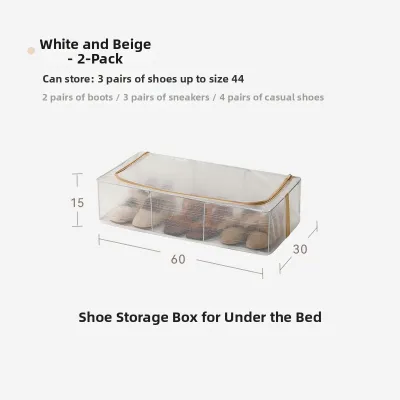
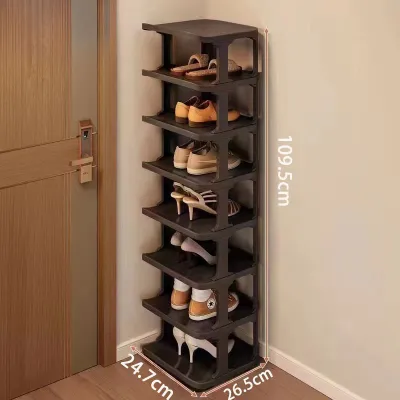
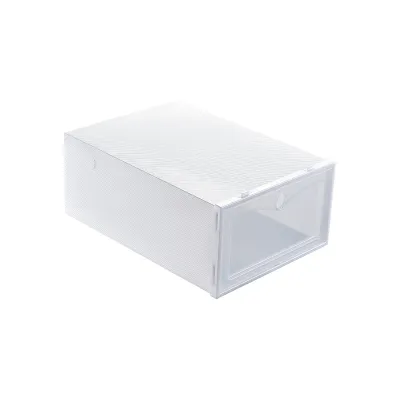
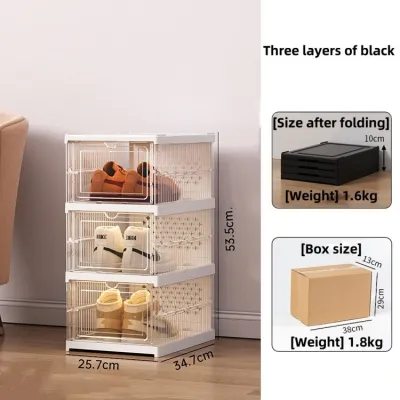
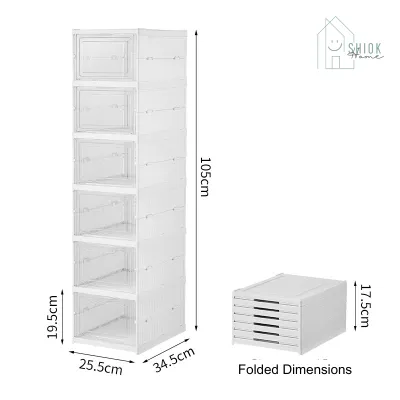
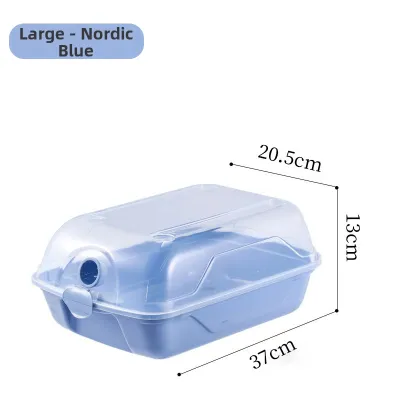
Prices are valid at publication and may change. Please refer to the product page for the latest price.

Next, determine the maximum width of your footwear by measuring the widest part of the sole, which is typically located at the forefoot. This step is particularly crucial for chunky lifestyle sneakers, wide-fit athletic shoes, and outdoor boots that feature flared outsoles. If the internal width of the transparent box is too narrow, the sides of your shoes will press against the plastic walls, potentially causing scuffs or warping the shoe’s structure over time.
Finally, measure the height of your tallest shoes from the bottom of the outsole to the highest point of the collar or upper. For high-top sneakers, platform shoes, and high heels, this vertical measurement dictates whether you can store the shoes upright or if you will be forced to lay them on their sides. Recording these three dimensions for your largest pairs will give you a reliable set of minimum internal requirements to use when browsing storage options.
Matching Internal Dimensions to Specific Shoe Types
Different footwear categories require tailored storage environments to preserve their materials and structure. For everyday sneakers, running shoes, and flat slip-ons, the primary focus should be on length and width. Standard low-profile transparent boxes are generally sufficient for these styles, as they do not require significant vertical clearance. However, modern lifestyle sneakers with thick, cushioned midsoles or extended heel designs often require extra height and length compared to traditional canvas plimsolls, so always verify the clearance of your specific sneaker models.
Heels, wedges, and platform pumps present a unique vertical challenge that requires careful planning. For these shoes, prioritize the internal height of the box to prevent the delicate heel tips or the top of the shoe from pressing firmly against the transparent lid or ceiling. If you are working with limited wardrobe height, you can occasionally store heels by laying them flat on their sides, though this method increases the footprint of each pair and reduces the total number of shoes you can store on a single shelf.
Boots, ankle boots, and high-top athletic shoes demand tall or specialized drop-front storage boxes. Standard shoe boxes are rarely tall enough to accommodate the shaft height of even a modest ankle boot without folding the material, which can cause permanent creases in leather or suede. When selecting boxes for boots, check the shaft height against the internal vertical space of the box, and decide whether the boot requires rigid internal support inserts to stand upright or if it can be safely stored horizontally in a larger utility container.
Space Planning and Stacking Considerations
Before purchasing transparent shoe boxes in bulk, it is essential to evaluate the physical limits of your storage area. Measure the available depth, width, and height of your closet shelves, entryway cabinets, or dedicated shoe racks. Compare these space measurements with the external dimensions of the boxes you plan to buy to ensure they will fit neatly without protruding past the shelf edge or blocking wardrobe doors.
Stacking multiple transparent boxes is an excellent way to maximize vertical space, but it requires careful attention to structural integrity. Check the manufacturer’s specifications regarding stacking limits and the presence of reinforced structural ribs or interlocking corner joints. Taller, heavier boxes containing boots or heavy leather shoes should always be placed at the bottom of the stack to maintain stability and prevent the lower boxes from buckling under the weight of those above.
For high stacks or deep cabinets, the design of the box door significantly impacts daily usability. Drop-front doors or magnetic side-opening panels are highly recommended for stacked configurations, as they allow you to retrieve a pair of shoes from the bottom of the stack without having to unstack the boxes above. Ensure that the door hinges and magnetic closures operate smoothly and do not require excessive force, which could destabilize the entire vertical column.
Common Sizing and Capacity Mistakes to Avoid
One of the most frequent errors when buying transparent shoe storage is confusing external dimensions with internal usable space. Manufacturers often advertise the outer measurements of the box, which include the thickness of the plastic walls, structural frames, and decorative trim. This discrepancy can be as much as 2 centimetres in any direction, which is often enough to prevent a larger shoe size from fitting inside.
Another common oversight is forgetting to account for the physical clearance needed to insert and remove shoes comfortably. Even if a shoe technically matches the internal dimensions of a box, a tight fit makes daily use frustrating and increases the risk of scratching the transparent plastic or damaging delicate shoe materials. Always ensure there is a comfortable buffer zone around the shoe, particularly near the opening mechanism of the box.
Finally, avoid the temptation to buy a single uniform box size for a highly diverse shoe collection. While a uniform look is visually appealing, using extra-large boxes for small flats, sandals, or slippers results in a significant amount of wasted vertical and horizontal space. Conversely, forcing larger shoes or heels into boxes that are too small will inevitably lead to crushed uppers, bent heels, and a cluttered, disorganized appearance.
Frequently Asked Questions (FAQ)
Can I use the same transparent shoe box size for both men's and women's shoes?
While using a single large box size across a household creates a uniform aesthetic, it is often impractical for mixed collections. A box sized to fit large men’s athletic shoes will leave a substantial amount of empty, wasted space when used for low-profile women’s flats or sandals. To optimize your wardrobe space, measure the largest shoes in the household to determine your maximum box size, and then select a secondary, smaller box size for delicate, low-profile, or smaller footwear.
Do transparent shoe boxes protect shoes from humidity and dust?
Transparent shoe boxes are highly effective at blocking airborne dust and physical debris, keeping your footwear clean between wears. However, standard snap-on or magnetic doors are rarely airtight, meaning they do not completely seal out ambient moisture. In humid climates, such as in Singapore, it is important to check the manufacturer’s specifications for ventilation features to prevent stagnant air buildup, and to place silica gel packs inside the boxes to help manage moisture levels.

Community discussion
Share your experience or ask a question. Comments are reviewed before publication.