
Choosing the right capacity transparent shoe box requires matching the physical count of your footwear collection with the precise internal dimensions of individual boxes and the available physical footprint in your home. To find the ideal fit, you must measure your largest shoes—typically high-top sneakers, heels, or boots—and compare these against the manufacturer’s specified internal clearance rather than the external dimensions. In space-constrained homes, such as typical apartments or condominiums in Singapore, maximizing vertical space with stackable, modular units is often the most efficient strategy. By aligning your storage capacity with both your current inventory and anticipated purchases, you can prevent cluttered entryways and protect your footwear investment from dust and humidity.
Assess Your Collection Size and Storage Footprint
Begin by conducting a physical inventory of your entire shoe collection. Group your shoes by type—such as athletic sneakers, formal dress shoes, casual flats, high heels, and boots—to understand your storage needs. Add a buffer of 10% to 15% to your current count to accommodate future purchases, ensuring your storage system remains viable over time.
Next, measure the exact location where you plan to place your transparent shoe boxes. Whether utilizing a closet shelf, an entryway alcove, or a bedroom corner, record the maximum width, depth, and height of the available space. Local housing layouts often require compact, highly organized storage solutions to maintain clear walkways.
Products mentioned in this guide
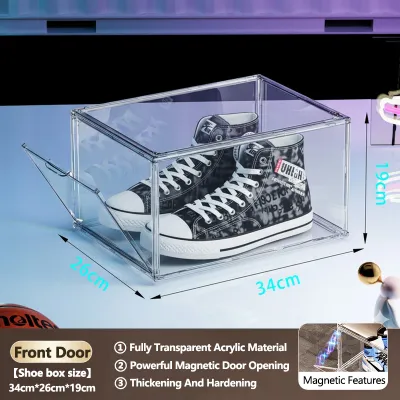
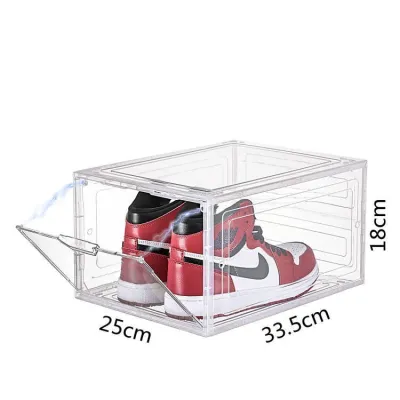
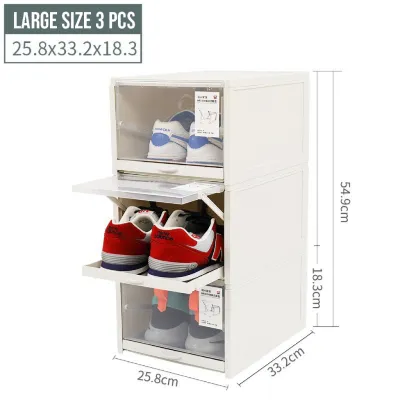
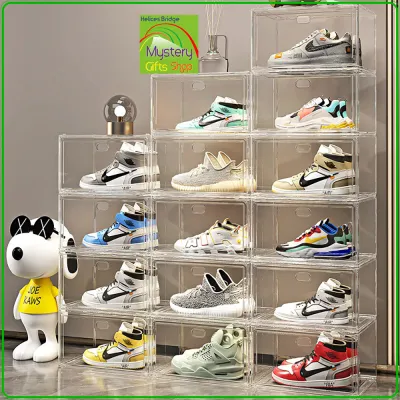
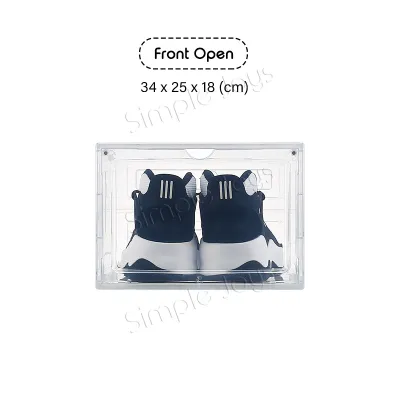
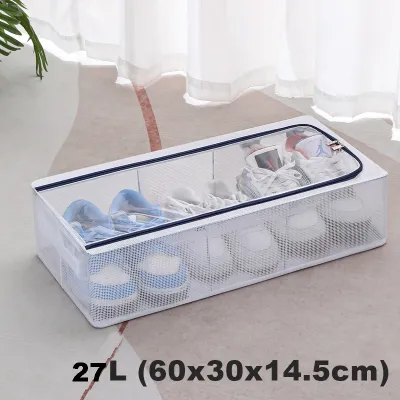
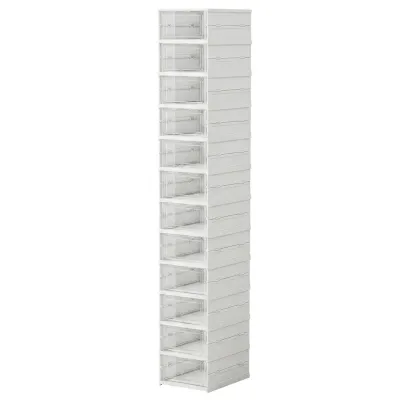
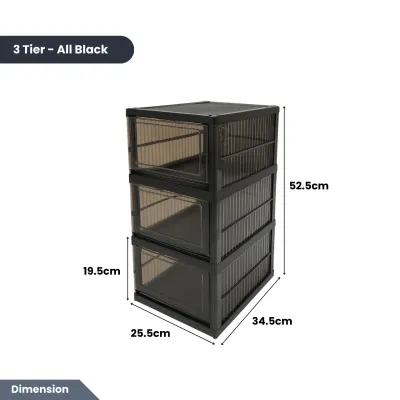
Prices are valid at publication and may change. Please refer to the product page for the latest price.
With these measurements, decide whether your space is better suited for a single, large-capacity cabinet or modular, stackable boxes. Modular boxes offer the greatest flexibility, allowing you to build a custom configuration that expands vertically. Conversely, a unified cabinet provides a streamlined look but requires a fixed, unchanging footprint.
Match Internal Dimensions to Your Shoe Types
A common pitfall when purchasing a shoe box transparent setup is assuming external dimensions represent the actual storage space. To ensure your footwear fits comfortably without bending, crushing, or scuffing, focus entirely on the internal clearance. Measure your largest, widest, and tallest pairs of shoes flat on a table to find their maximum length, width, and height.

When reviewing product specifications on online marketplaces, look specifically for the listed internal dimensions. External measurements often include interlocking tabs, door frames, drop-front hinges, and thick plastic walls, which can reduce the usable internal space by up to two centimeters in any direction.
Additionally, allow a clearance buffer of at least one to two centimeters around the shoe’s physical dimensions. This extra space ensures you can insert and retrieve your shoes smoothly without scraping. Friction against rigid plastic can cause unsightly scuffs on delicate leather, suede, or knit materials.
Sizing for Sneakers and Flat Shoes
Sneakers, particularly athletic designs and high-tops, often feature bulky outsoles and extended heel counters that require extra length and width clearance. For these shoe types, prioritize boxes with a generous depth to prevent the toes or heels from pressing against the front door or back wall.
Low-profile footwear, such as ballet flats, sandals, and canvas slip-ons, requires significantly less vertical clearance. While these fit easily into standard boxes, you can optimize storage density by selecting modular boxes that stack tightly. Some modular systems allow you to place two pairs of slim flats side-by-side or stacked slightly offset within a single compartment, doubling your storage capacity without increasing the overall footprint.
Sizing for Heels and Boots
High heels and boots present unique vertical storage challenges that standard shoe boxes cannot accommodate. For high heels, measure the vertical distance from the bottom of the heel to the highest point of the ankle collar. Stiletto heels and platform shoes often require an internal height of at least 18 to 20 centimeters to stand upright without bending against the top panel.
Boots require careful consideration of shaft length and structural support. Check the manufacturer’s instructions to see if a specific transparent box is designed to hold boots upright, or if they must lay flat. If storing boots horizontally, ensure the box length is sufficient to prevent folding or creasing the boot shaft, which can permanently damage materials.
Evaluate Capacity Configurations for Your Needs
Selecting the right capacity configuration depends on how you plan to scale your storage over time. Individual stackable transparent shoe boxes are highly practical for collectors who expect their inventory to grow. These modular units allow you to purchase additional boxes as needed, stacking them vertically to utilize high walls or arranging them horizontally under low hanging wardrobe rods.
For those seeking a permanent, high-density storage solution, multi-compartment transparent cabinets or integrated shoe racks with clear doors are excellent alternatives. These units provide a clean, seamless aesthetic within a single frame. However, they lack the modular flexibility of individual boxes and require a dedicated, unchanging space.
Regardless of the configuration, always verify the manufacturer’s weight limits and stacking stability guidelines. Stacking modular plastic boxes too high without proper interlocking mechanisms can cause the lower boxes to bow or collapse. Ensure the product specifications explicitly state the maximum recommended stacking height and weight capacity per unit to maintain a safe setup.
Verify Room Dimensions and Access Clearances
Before finalizing your purchase, look beyond the static footprint of the shoe boxes and consider how they will function in your daily routine. Account for the clearance required to open the box doors or drawers. Drop-front doors, which swing downward or upward, require several centimeters of unobstructed space directly in front of the box to open fully and allow easy access.
If you plan to place your transparent shoe boxes inside an enclosed wardrobe or a walk-in closet, ensure there is adequate ventilation space. In humid climates like Singapore, trapping shoes in tightly sealed, unventilated spaces can lead to moisture buildup and mold. Look for boxes with integrated ventilation holes or leave a gap of at least three to five centimeters behind the stack to promote air circulation.
Finally, check the physical pathways, doorways, and lift access in your building to ensure that packaged or pre-assembled storage units can be easily transported into your home.
Common Sizing and Capacity Mistakes to Avoid
One of the most frequent mistakes is purchasing transparent shoe boxes based solely on standard shoe sizes without verifying the actual physical measurements of your specific shoes. Different brands and shoe styles have vastly different silhouettes; a bulky running shoe and a sleek dress shoe of the same size occupy very different volumes. Always rely on physical measurements rather than generic size labels.
Another common oversight is failing to account for the cumulative height added by external design features when planning a stacked arrangement. Features such as raised lids, interlocking ridges, bottom feet, and door frames add small increments of height to each box. When stacking multiple boxes vertically, these minor additions can add up to several centimeters, potentially preventing the stack from fitting under a closet rod.
Lastly, avoid overloading transparent plastic boxes beyond their structural limits. Placing excessively heavy footwear into a single lightweight plastic box can cause the top panel to sag. This bowing ruins the visual alignment of your display, puts pressure on the door mechanism, and can eventually lead to cracks in the plastic.
Frequently Asked Questions (FAQ)
Can I store winter boots in standard transparent drop-front shoe boxes?
Standard transparent drop-front shoe boxes are generally designed for low-top shoes, sneakers, and standard heels, and they rarely offer the vertical clearance required for tall winter boots. To store boots safely, you must measure the boot shaft height and compare it against the manufacturer’s internal box height. If standard boxes are too small, look for specialized tall-box configurations or boot-specific storage cases that allow the boots to stand upright or lie flat without folding.
How do I maintain the clarity of transparent plastic shoe boxes?
To keep your transparent shoe boxes looking crystal clear, always check the manufacturer’s care instructions for specific cleaning guidelines and material compatibility. Avoid using harsh chemical cleaners, glass sprays containing ammonia, or abrasive scrubbing cloths, as these can permanently scratch, cloud, or yellow the clear plastic. Instead, use a soft microfiber cloth slightly dampened with water and a mild, diluted dish soap to gently wipe away dust and fingerprints, then dry the surface with a clean, dry microfiber towel.

Community discussion
Share your experience or ask a question. Comments are reviewed before publication.