
Selecting the right capacity steel shoe rack requires balancing your household’s current footwear inventory, expected future purchases, and the physical constraints of your entryway. To find the perfect fit, you must calculate the total number of shoes owned, convert that number into physical dimensions and tier requirements, and verify that the rack fits your home’s layout. A durable steel shoe rack offers excellent structural integrity, but its utility depends entirely on matching its dimensions to your daily habits and living space.
Assess Your Household's Current and Future Footwear Inventory
To establish an accurate baseline for your storage needs, begin by gathering every pair of shoes currently owned by all household members. Laying out all footwear in one place provides a clear visual representation of your household’s total inventory.
During this audit, categorize the shoes into distinct groups based on usage frequency. Identify daily-use footwear, such as work shoes, school shoes, and casual sneakers, which require immediate accessibility near the entrance. Separate these from seasonal items, formal wear, and guest slippers that can be stored in less accessible areas, such as bedroom closets or overhead cabinets. This distinction prevents your entryway rack from becoming overcrowded with items you only wear occasionally.
Products mentioned in this guide
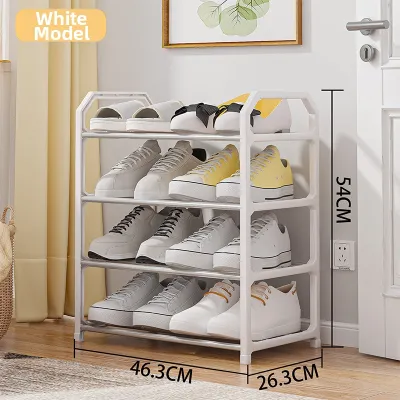
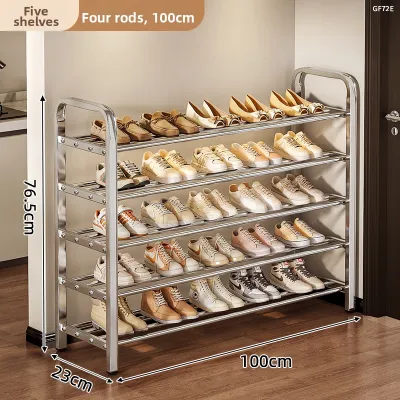
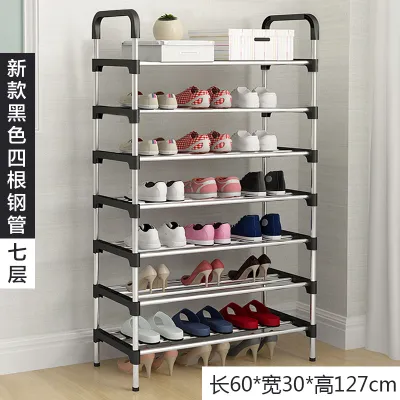
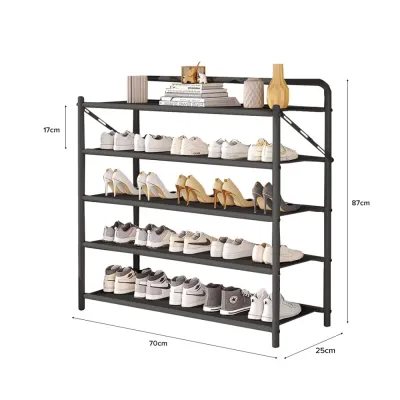
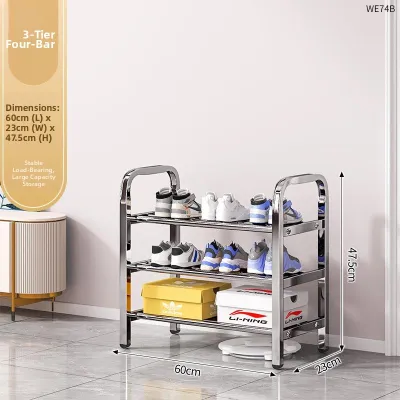
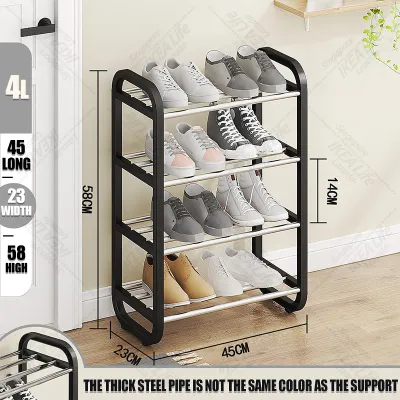
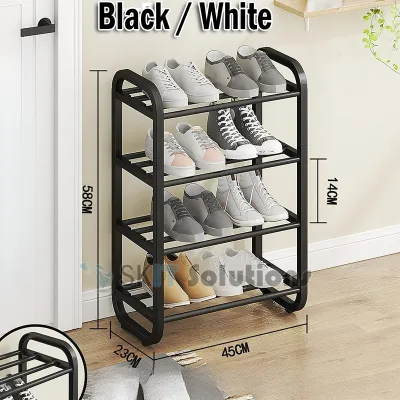
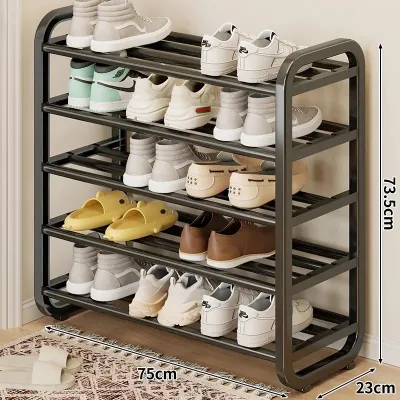
Prices are valid at publication and may change. Please refer to the product page for the latest price.
Next, factor in future growth to ensure your new steel shoe rack remains functional for years to come. If you have growing children, their shoe sizes will increase, requiring more physical space on each tier even if the total number of pairs remains the same. Additionally, consider whether your household size might expand or if you are an avid collector who regularly purchases new footwear. Planning for a buffer of at least twenty percent above your current active inventory is a practical way to accommodate this inevitable growth.
Finally, do not forget to account for specialized footwear that may require unique storage considerations. Sports shoes, running trainers, and heavy work boots often have wider profiles and thicker soles than standard lifestyle shoes. By noting the proportion of bulky footwear in your collection, you can better estimate the physical width and vertical clearance your steel shoe rack will need to provide.
Convert Your Shoe Count into Required Tiers and Width
Once you have a precise count of the shoes requiring daily storage, you can translate this number into the physical dimensions of a steel shoe rack. The capacity of any given tier is determined by its overall width and the average width of your household’s shoes. As a general guideline, a standard pair of adult shoes requires approximately 20 to 25 centimeters of horizontal space, while children’s shoes require less, and large men’s shoes or wide sneakers may require up to 30 centimeters.

To calculate the number of pairs a single tier can hold, divide the rack’s internal width by the average width of your shoes. For example, a steel shoe rack with a width of 80 centimeters will comfortably accommodate three to four pairs of standard adult shoes per tier. If your household primarily wears wider footwear, you should assume the lower end of that estimate to avoid overcrowding and overlapping.
With your pairs-per-tier estimate established, divide your total active shoe count by this number to determine the total tiers required. If you have twenty pairs of active shoes and select a rack that holds four pairs per tier, you will need a five-tier shoe rack. If the calculation results in a fraction, always round up to the next whole tier to ensure you have sufficient space and to maintain a tidy, organized appearance.
For households with fluctuating storage needs, adjustable or expandable steel shoe racks offer valuable flexibility. Some models feature telescoping horizontal bars that allow you to extend the width of the rack as your collection grows. Others provide adjustable brackets that let you alter the height between individual tiers, allowing you to customize the spacing to fit flat sandals on one level and high-top sneakers on another.
Measure Your Space and Verify Delivery Constraints
Before purchasing any steel shoe rack, you must carefully measure the intended installation area to ensure a proper fit. Use a reliable measuring tape to determine the maximum width, depth, and height available in your entryway or corridor. Keep in mind that while a wider rack provides more storage per tier, it must not obstruct the natural flow of foot traffic in and out of your home.
Pay close attention to the depth of the shoe rack, as this dimension directly impacts walkway clearance. In many residential layouts, entryways are narrow corridors where every centimeter counts. Ensure that the rack’s depth allows for comfortable passage, leaving at least 90 centimeters of clear walkway space. Additionally, check the swing paths of nearby doors, including the main entrance, closet doors, and safety gates, to prevent any physical interference when doors are opened or closed.
Vertical clearance is equally important, especially if you plan to place the rack under low-hanging features like electrical distribution boards, light switches, or decorative wall art. If you are placing the rack in an outdoor corridor or near a window, ensure it does not block natural light or ventilation. Proper airflow around the rack is essential for keeping your footwear dry and preventing the buildup of unpleasant odors.
Finally, verify the delivery and assembly constraints of your home before finalizing your order. Measure the dimensions of your building’s elevator, stairwells, and main doorway to guarantee that the packaged product can be safely transported to your unit. If you are purchasing a pre-assembled steel shoe rack, these clearance checks are critical; for flat-packed models, ensure you have sufficient floor space in your home to assemble the unit safely.
Check Steel Rack Specifications for Daily Durability
To ensure your steel shoe rack can withstand the daily demands of a busy household, you must carefully review the manufacturer’s structural specifications. Do not assume that all steel frames possess the same weight-bearing capabilities. Always check the product label or manual for the official load capacity per tier, which indicates the maximum weight the shelf can support without bending or sagging over time.
A high-quality steel shoe rack should feature robust joints and a stable frame design to prevent wobbling when fully loaded. If your household collection includes heavy footwear such as safety boots, leather dress shoes, or thick-soled sneakers, prioritize racks with reinforced steel mesh or solid steel panels rather than thin wire grates. Checking these structural details beforehand prevents premature wear and ensures long-term stability.
Versatility in shelf configuration is another key specification to look for during your search. Opt for models that feature removable shelves or multiple mounting points along the vertical frame. This design allows you to customize the vertical clearance of individual tiers, making it easy to accommodate taller items like boots or high heels without wasting valuable storage space on shorter shoes.
Given the humid climate, the surface treatment of the steel is a critical factor in preventing rust and corrosion. Look for specifications indicating a powder-coated, epoxy-coated, or chrome-plated finish, which provides a protective barrier against moisture. Review the manufacturer’s care instructions to understand how to clean the rack properly; generally, wiping the steel frame with a dry or slightly damp microfiber cloth is recommended to maintain the integrity of the protective coating.
Avoid Common Capacity and Sizing Mistakes
One of the most common mistakes when choosing a shoe rack is underestimating the depth required for larger shoe sizes. Standard shoe racks often have a depth of 30 centimeters, which may cause larger men’s shoes or bulky athletic trainers to overhang the front edge. This overhang not only looks untidy but can also create a tripping hazard in narrow entryways, so always compare your longest pair of shoes against the rack’s specified depth.
Another frequent oversight is failing to plan for the vertical space needed above the top tier. If you intend to use the top shelf for high-top boots, bags, or decorative items, ensure there is sufficient clearance between the top of the rack and any overhead fixtures. Placing heavy or bulky items on the very top can also affect the rack’s center of gravity, potentially making it top-heavy and prone to tipping if not properly balanced.
Lastly, avoid the temptation to overcrowd the shelves beyond the manufacturer’s recommended capacity. Squeezing too many pairs onto a single tier puts unnecessary structural strain on the steel frame and can lead to bent shelves or broken joints. Overcrowding also restricts airflow between the shoes, which traps moisture and accelerates the deterioration of both your footwear and the rack’s protective finish.
Frequently Asked Questions (FAQ)
How much weight can a standard steel shoe rack hold?
The weight capacity of a steel shoe rack varies significantly depending on the steel gauge, frame design, and the total number of tiers. Because there is no universal standard, you should always consult the specific product manual or manufacturer’s label to verify the exact weight limits for your model. If you notice any signs of bowing, sagging, or instability in the frame, stop adding items immediately and redistribute the weight to prevent structural failure.
Should I leave extra space between tiers for boots?
Yes, planning for extra vertical space is highly recommended if your collection includes boots or high-heeled shoes. Before purchasing, check if the steel shoe rack features adjustable shelves that allow you to customize the height of individual tiers. It is best to measure the height of your tallest pair of boots and compare it to the rack’s tier clearance specifications to ensure they will fit comfortably without being bent or creased.

Community discussion
Share your experience or ask a question. Comments are reviewed before publication.