
Finding the ideal storage capacity for an assembled shoe cabinet requires balancing your household’s daily habits, footwear collection size, and entryway layout. Unlike built-in carpentry, an assembled shoe cabinet provides a flexible, cost-effective, and customizable solution that can be adapted to various spaces. However, selecting a cabinet that is too small leads to shoe piles on the floor, while an oversized unit can obstruct walkways and make your home’s entrance feel cramped. To make an informed decision, you must calculate your baseline storage needs, match those needs to practical capacity tiers, and verify that the physical dimensions of the cabinet align with your living space.
Assessing Your Household's Total Shoe Collection
To determine the correct capacity for your assembled shoe cabinet, begin with a comprehensive audit of every shoe currently owned by your household members. Footwear collections naturally expand over time, so it is essential to count not only the shoes worn daily but also seasonal items, formal wear, and specialized sports shoes. In tropical climates like Singapore, households typically own a high volume of lightweight footwear such as sandals, flip-flops, and canvas sneakers, alongside formal leather shoes, high heels, and athletic trainers. Grouping these shoes by frequency of use will help you understand how much active storage you need at the entryway versus how much long-term storage can be allocated elsewhere.
When auditing your collection, remember to account for household growth and lifestyle changes. Families with young children must anticipate rapid changes in shoe sizes, which often means storing multiple sizes of footwear simultaneously as kids grow. Additionally, it is practical to allocate dedicated space for guest slippers or shoes worn by visitors, ensuring your entryway remains tidy when hosting friends and relatives. A good rule of thumb is to add a buffer of at least three to five pairs to your total count to accommodate these temporary additions and future purchases.
Products mentioned in this guide
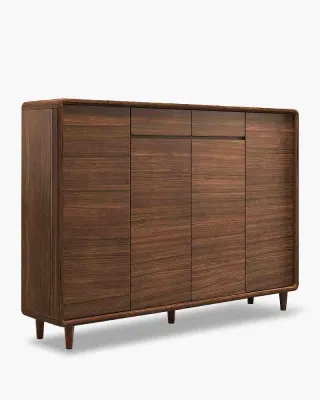
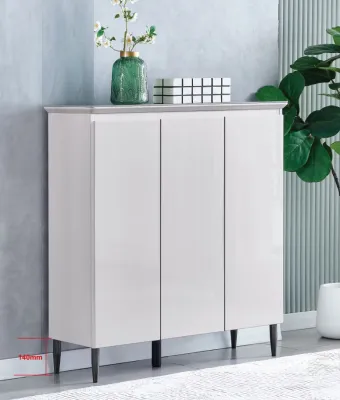
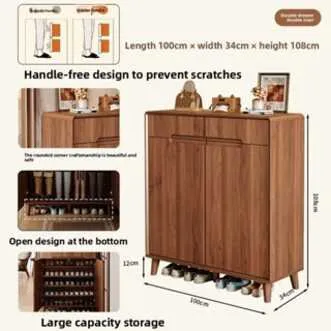
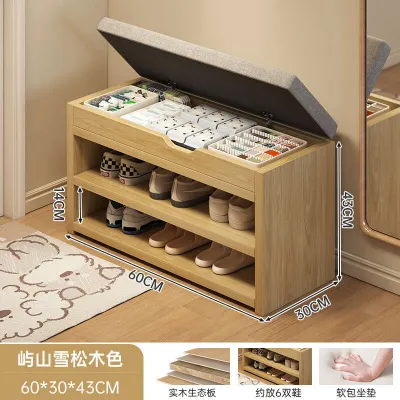
Prices are valid at publication and may change. Please refer to the product page for the latest price.
Another critical factor is distinguishing between daily-use footwear and long-term storage. Daily-use shoes require quick, effortless access, making open bottom shelves or easily accessible middle tiers ideal. On the other hand, seasonal footwear, formal shoes, or boots that are only worn occasionally can be stored on higher shelves or in deeper compartments. By establishing a clear ratio between daily-wear and long-term storage, you can choose an assembled cabinet design that prioritizes accessibility for the shoes you use most frequently while keeping the rest protected and out of sight.
Matching Cabinet Capacity to Household Size
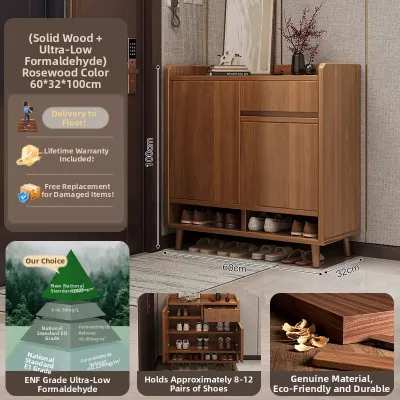
Once you have a realistic estimate of your total shoe count, you can match this number to standard capacity tiers for assembled shoe cabinets. For single individuals or young professionals living in studio apartments, a compact cabinet with a capacity of 8 to 12 pairs is usually sufficient. This size typically features a slim profile that fits easily into tight entryways while providing enough space for work shoes, casual sneakers, and a few pairs of sandals. If you have a larger collection, a modular assembled unit allows you to stack additional tiers as your storage needs grow.

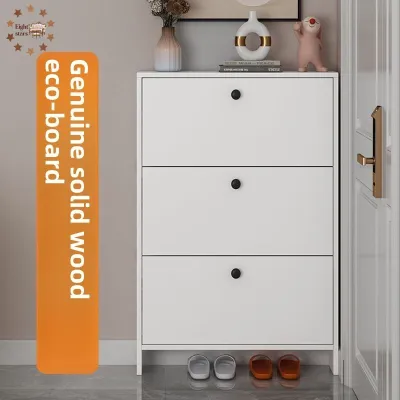
For couples, a medium-capacity cabinet designed to hold 15 to 24 pairs is generally the most practical choice. This capacity allows both individuals to store their primary daily-wear and semi-formal shoes in one central location. When sharing a cabinet, it is helpful to divide the shelves equally or assign specific zones to each person to maintain organization. If space is limited, look for slim-profile cabinets with tilting drawers, which can hold a surprising number of shoes within a very shallow depth, making them perfect for narrow hallways.
Larger households and families with three or more members typically require a high-capacity cabinet that can accommodate 30 or more pairs of shoes. In these scenarios, a single standard cabinet may not suffice, and investing in a wide, multi-door assembled cabinet or a combination of modular units is often the best approach. When managing a large family collection, organizing the cabinet by height is highly effective; place children’s shoes on the lower, easily reachable shelves, and store adult footwear and less frequently used items on the upper levels.
When estimating capacity, always consider the physical footprint of bulkier footwear. High-top sneakers, platform heels, and boots occupy significantly more vertical and horizontal space than flat sandals or loafers. If your household collection includes many bulky items, the actual capacity of a standard cabinet may be reduced by 20% to 30%. To prevent overcrowding, look for assembled cabinets that specify shelf depths and heights, or choose models with adjustable shelving so you can customize the interior layout to match the physical dimensions of your specific footwear.
Verifying Space, Dimensions, and Clearance
Before purchasing an assembled shoe cabinet, you must carefully measure your intended placement area to ensure a proper fit. Use a measuring tape to record the maximum width, depth, and height available in your entryway or hallway. It is crucial to leave sufficient clearance around the cabinet so that it does not obstruct daily movement or block access to other household features. In Singapore, many homes feature specific architectural layouts, such as household shelters (bomb shelters) or narrow foyer corridors near the main door, where maintaining clear pathways is essential for safety and compliance with local building guidelines.
In addition to the cabinet’s static footprint, you must account for operational clearances. This includes the space required to fully open cabinet doors or pull out tilting drawers without hitting adjacent walls, doors, or furniture. If your entryway is narrow, a cabinet with sliding doors or tilting compartments is often a superior choice to traditional swing doors, as they do not project outward into the walkway. You should also ensure there is a small ventilation gap of at least one to two centimeters between the back of the cabinet and the wall to prevent moisture buildup, which is particularly important in humid environments.
Finally, verify the logistics of delivery and assembly. Since assembled shoe cabinets are typically delivered in flat packs, you must ensure that the packaging and the fully assembled unit can easily pass through your building’s corridors, elevators, and main doors. Measure the height and width of your apartment door and elevator entrance to avoid any delivery complications. If you plan to assemble the cabinet yourself, ensure you have a clear, flat workspace in your living room or hallway to lay out the parts and follow the manufacturer’s instructions safely.
Optimizing Internal Layout for Different Footwear
The internal layout of an assembled shoe cabinet plays a vital role in maximizing its usable capacity and keeping your footwear in pristine condition. Standard flat shelves are excellent for organizing flat shoes, sneakers, and loafers, but they can be inefficient for high heels or boots. To accommodate varying shoe heights, look for assembled cabinets with adjustable or removable shelves. This feature allows you to raise or lower individual tiers, ensuring that tall boots or high heels do not get bent or crushed, while maximizing the space available for flatter shoes.
For deeper cabinets, angled shelves or pull-out drawers can significantly improve visibility and accessibility. Angled shelves allow shoes to be stored at a slant, which reduces the depth required for the cabinet while making it easier to see and retrieve your favorite pairs. Pull-out tiers function like kitchen drawers, allowing you to access shoes stored at the very back of a deep cabinet without having to remove the items in front. These design features are particularly beneficial for maximizing storage efficiency in compact entryways where every centimeter counts.
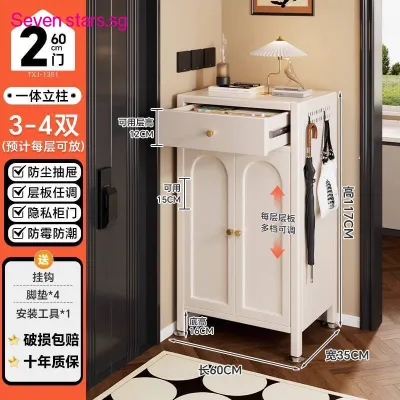
Additionally, consider choosing an assembled cabinet that offers multi-purpose storage compartments. Many modern designs include small drawers at the top for storing shoe care accessories, such as brushes, polishes, and extra laces, or keys and daily essentials. Some cabinets also feature dedicated side compartments or hooks for umbrellas, shoehorns, and bags. By selecting a cabinet that integrates these extra storage options, you can keep your entire entryway organized and free of clutter, creating a welcoming and functional entrance to your home.
Frequently Asked Questions (FAQ)
How many pairs of shoes fit on a standard shelf?
The number of shoe pairs that can fit on a standard shelf depends primarily on the shelf’s width and the style of the footwear. On average, a standard adult shoe pair requires a width of approximately 20 to 25 centimeters. Therefore, a shelf with a width of 80 centimeters can comfortably accommodate three to four pairs of standard shoes. To maximize space on narrower shelves, you can use staggered placement techniques, such as placing one shoe facing forward and the other facing backward, or using shoe slot organizers that stack one shoe on top of the other within the same footprint.
Should I buy a larger cabinet for future shoe purchases?
It is generally wise to purchase a shoe cabinet with a slightly larger capacity than your current collection requires, provided your entryway can accommodate it. Leaving a buffer of 10% to 20% allows you to accommodate new purchases, seasonal rotations, and guest footwear without overcrowding the shelves. However, you must balance this future-proofing with the physical constraints of your living space. Avoid buying an oversized cabinet that dominates a small entryway, restricts natural light, or violates fire safety clearances in shared corridors, as a cluttered or blocked pathway can pose a safety hazard.

Community discussion
Share your experience or ask a question. Comments are reviewed before publication.