
Choosing the right capacity for a waterproof plastic shoe cabinet requires balancing your household’s actual shoe count, the physical dimensions of your entryway, and the structural limits of plastic shelving. A household of one or two people typically needs a cabinet holding 10 to 15 pairs, while a larger family of four or more often requires storage for 30 or more pairs, including seasonal and specialty footwear. By matching your inventory to shelf dimensions and verifying the unit’s physical footprint against your home’s entryways, you can find a durable storage solution that keeps your home organized and clutter-free.
Assess Your Household's Shoe Collection
Start with a systematic inventory of all the footwear in your home. Count every pair of shoes currently in use, categorizing them by frequency of wear. Everyday footwear like school shoes, work heels, and daily sneakers should occupy the most accessible shelves, while seasonal sandals or formal shoes can be allocated to higher or lower zones. This categorization helps you understand not just how many shoes you have, but how they need to be organized for daily convenience.
Calculate the average shoe count per person to establish a realistic baseline. In a typical household, an individual might own between 6 and 10 pairs of active footwear, including work shoes, casual sneakers, sports shoes, and home slippers. Multiply this average by the number of family members to determine your baseline capacity. For a family of four, this quickly adds up to 24 to 40 pairs of shoes requiring dedicated storage.
Products mentioned in this guide
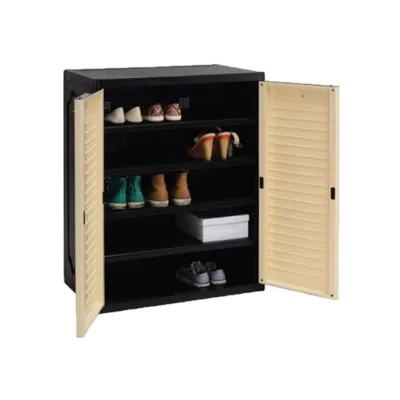
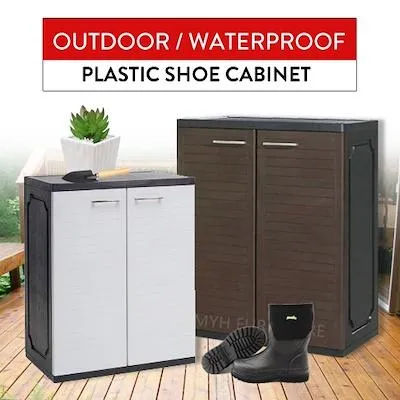
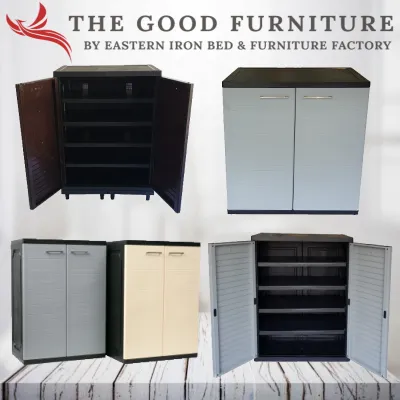
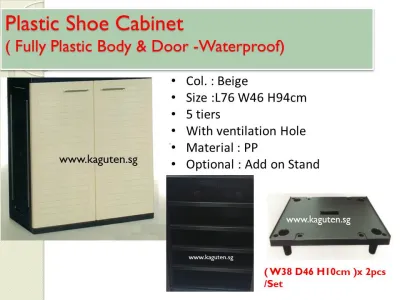
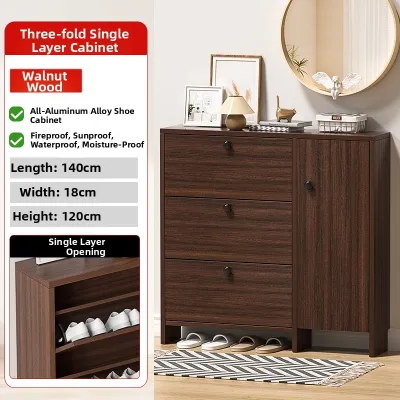
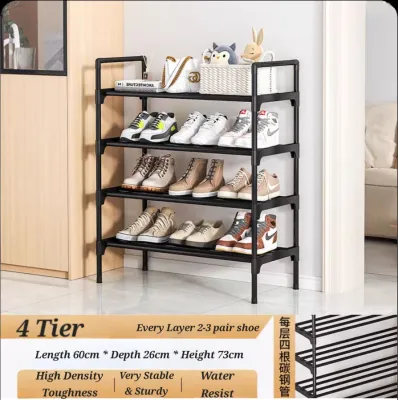
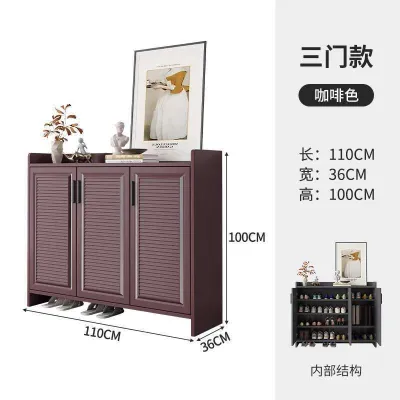
Prices are valid at publication and may change. Please refer to the product page for the latest price.
Factor in household growth and lifestyle changes over the coming years. If you plan to expand your family, frequently host guests who need a place to slip off their shoes, or participate in outdoor hobbies like hiking or running, add a buffer of 20% to your baseline estimate. This ensures your cabinet remains functional as your storage needs evolve without requiring an immediate upgrade.
Identify oversized or bulky footwear early in the planning process. High-top sneakers, ankle boots, and platform shoes require significantly more vertical and horizontal space than flat sandals or loafers. Group these bulkier items together during your count so you can plan for specialized shelf heights and avoid squeezing them into tight spaces that could damage the shoes.
Consider the impact of local weather on your storage needs. In humid tropical climates, frequent rain means wet shoes are a regular occurrence, requiring dedicated space where damp footwear can dry before being stored away. A waterproof plastic cabinet is ideal for this environment, but you must account for the extra space needed to keep wet and dry shoes separated to prevent odor buildup.
Translate Shoe Count into Cabinet Capacity
Translate your total shoe count into physical shelf space by understanding standard shoe dimensions. A typical pair of adult shoes requires approximately 20 to 25 centimetres of horizontal shelf width. Measure your widest shoes, such as bulky running sneakers or wide-soled boots, to ensure they will not overlap or crowd adjacent pairs on a single shelf.

Evaluate the vertical clearance of individual tiers within the cabinet. Standard flat shoes and sandals fit comfortably on shelves with a height clearance of 15 centimetres. However, high heels, mid-cut boots, and high-top sneakers generally require 20 to 25 centimetres of vertical space to prevent the tops from bending or scuffing against the shelf above. Ensure the cabinet you choose offers a mix of tier heights to accommodate these differences.
Prioritize modular or adjustable shelf configurations when selecting a plastic cabinet. Waterproof plastic shoe cabinets often feature removable panels or adjustable peg systems that allow you to customize the height of individual compartments. This flexibility lets you maximize vertical space, ensuring you do not waste valuable room on short flats while struggling to squeeze in taller footwear.
Incorporate a buffer for future purchases and seasonal rotations. Instead of buying a cabinet that perfectly fits your current inventory, select a unit with slightly more capacity than your current count. This extra space accommodates new purchases and allows you to rotate off-season footwear without cramming the shelves, which can deform plastic panels over time.
Ensure adequate air circulation within the cabinet to prevent mold and mildew growth. In humid environments, packing shoes too tightly restricts airflow, leading to moisture retention and unpleasant odors. Choosing a cabinet with ventilated doors or leaving a small gap between each pair of shoes helps maintain a fresh storage environment, which requires slightly more horizontal shelf space than a tightly packed layout.
Match Cabinet Dimensions to Your Available Space
Measure the physical footprint of your intended installation area before committing to a cabinet size. Use a measuring tape to record the maximum width, depth, and height available in your entryway, corridor, or balcony. Be sure to account for baseboards, light switches, electrical outlets, and wall moldings that might prevent the cabinet from sitting flush against the wall.
Verify the door swing paths and clearance zones of the cabinet. A cabinet with swing-out doors requires ample clearance in front of it to open fully without hitting nearby walls, main entrance doors, or other furniture. If your entryway is narrow, consider plastic cabinets with sliding doors, roll-up fabric fronts, or open-front modular cubbies that do not require extra clearance to access.
Assess the hallway width to ensure safe and comfortable passage. In high-traffic areas, there should be at least 90 centimetres of clear walkway space even when the cabinet doors are fully open. Squeezing a deep cabinet into a narrow corridor can create a tripping hazard and restrict the movement of large items, such as groceries or strollers, through the home.
Choose the right configuration shape for your space. For narrow corridors and tight entryways, a slim, tall vertical cabinet maximizes storage capacity by utilizing wall height while keeping the floor footprint minimal. Conversely, if you have a spacious foyer, a wide, low-profile unit can double as a convenient bench for putting on shoes, provided the manufacturer’s specifications support sitting.
Confirm delivery and assembly access before purchasing a large unit. Ensure the packaged cabinet can fit through your apartment doorways, lift doors, and stairwells. If you live in a high-rise apartment, measuring these common areas is crucial to avoid delivery complications, especially for pre-assembled or heavy-duty plastic units.
Verify Structural and Material Limits for Plastic Cabinets
Check the manufacturer’s specified weight limit for each shelf. While plastic is highly resistant to moisture and easy to clean, it can sag or bow under excessive weight if overloaded with heavy work boots or leather shoes. Distribute heavier footwear across the bottom shelves to keep the center of gravity low and preserve the structural integrity of the upper tiers.
Evaluate the base stability and anti-tip requirements, especially for taller configurations. Lightweight plastic cabinets can become top-heavy when fully loaded with shoes. If you select a tall unit, verify whether it includes wall-anchoring hardware or pre-drilled mounting holes, and ensure your wall material can support secure anchoring to prevent accidental tipping.
Inspect the joint connections and assembly mechanisms of the cabinet. High-quality plastic cabinets often use interlocking snap-fit joints, metal-reinforced connectors, or heavy-duty plastic screws. Ensure these joints fit tightly during assembly, as loose connections can compromise the cabinet’s stability and cause the frame to sway under a full load.
Examine the waterproof seals and door closures if you plan to place the cabinet in semi-outdoor areas like a balcony or sheltered corridor. While the plastic panels themselves are naturally waterproof, water can still seep through unsealed joints or loose door gaps during heavy rain. Look for units with overlapping door lips or magnetic closures to protect your footwear from moisture and dust.
Consider the balance between cost and durability when selecting materials. Entry-level plastic cabinets, which may cost under S$30, are excellent for light footwear but may lack the structural reinforcement needed for heavy boots. Investing in a heavy-duty, reinforced plastic cabinet around S$100 or more ensures better resistance to warping, stronger joints, and a longer lifespan in demanding environments.
Frequently Asked Questions (FAQ)
Can I add extra shelves to a waterproof plastic shoe cabinet later?
Whether you can expand your cabinet depends entirely on its design and modular compatibility. Many plastic shoe cabinets are sold as fixed units with molded shelf supports, making aftermarket additions difficult or impossible without compromising the structure. If you anticipate needing more space later, look for modular plastic cube systems that allow you to snap on additional compartments, but always check the manufacturer’s guidelines to ensure adding tiers does not exceed the safe height and weight limits of the base. Avoid drilling or forcing unauthorized shelves into a sealed unit, as this can crack the plastic panels and ruin the waterproof seals.
How do I store tall boots in a standard plastic shoe cabinet?
Storing tall boots in a standard plastic cabinet requires adjusting the internal layout to prevent the shafts from creasing. The most effective method is to remove one of the adjustable shelf panels to create a double-height compartment, which easily accommodates knee-high or mid-calf boots. If your cabinet has fixed shelves that cannot be removed, you can store boots horizontally by laying them flat on a protective plastic tray, or use flexible boot shapers to keep them upright and slide them into the tallest available tier.

Community discussion
Share your experience or ask a question. Comments are reviewed before publication.