
Finding the right bookcase size for a Singapore home requires balancing storage needs with the physical realities of compact apartment layouts. Whether you live in a newly built BTO HDB flat or a modern condominium, floor space is at a premium. Choosing a bookcase that is too large can make a room feel cramped and block natural light, while a unit that is too small might fail to accommodate your collection. To make the right choice, you must evaluate your available floor area, ceiling height, and the specific dimensions of the books or items you plan to store.
Measure Your Available Space Before Buying
Before browsing online marketplaces or visiting local showrooms, you must establish the absolute maximum boundaries of your designated space. Start by measuring the wall width and the floor depth where the bookcase will sit. Do not rely on floor plans alone, as actual built dimensions can vary slightly. Use a metal measuring tape to capture the exact distance from corner to corner, and note the location of any skirting boards, light switches, and power outlets that might be covered or obstructed.
In Singapore apartments, structural features like air-conditioning trunking, structural beams, and window sills often dictate where furniture can realistically stand. Measure the height from the floor to the lowest point of any overhead trunking or beams rather than the bare ceiling. Additionally, check the swing path of nearby doors and wardrobe panels to ensure the bookcase does not block entryways or daily movement.
Products mentioned in this guide
 Bookcase with Storage (Wooden Book Storage Cupboard Cabinet) Shelves & Racks by HOME AND STYLE](https://img.lazcdn.com/g/p/10d0fa706c13649f3a1d67efd44e901a.jpg_400x400q80.jpg_.webp)
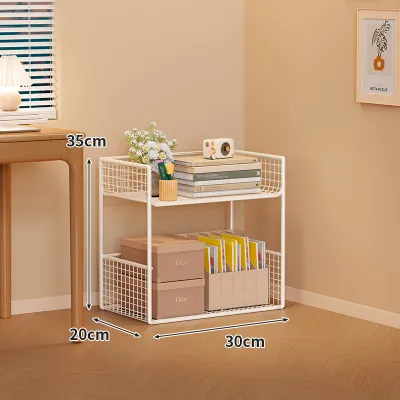
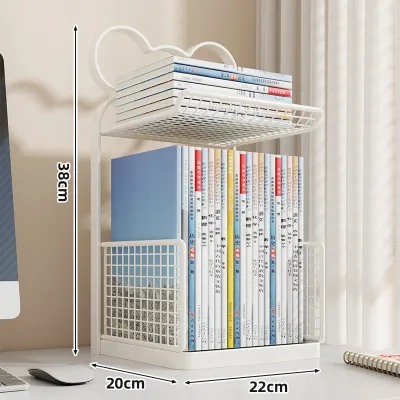
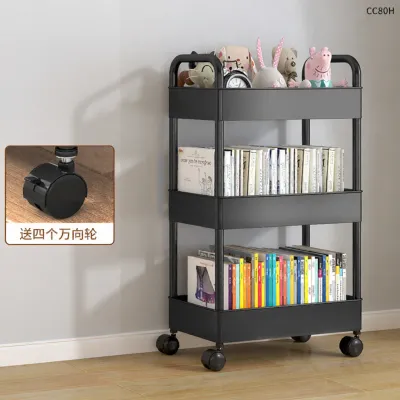
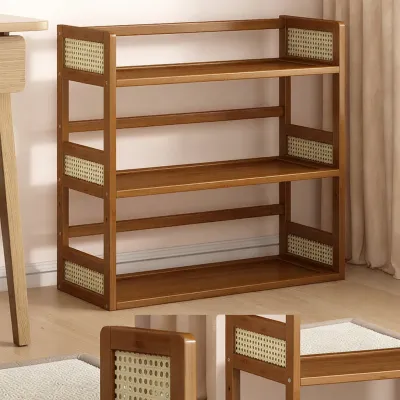
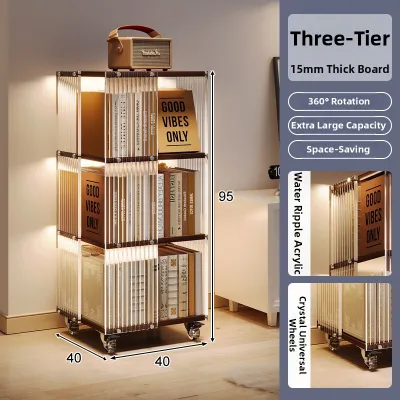
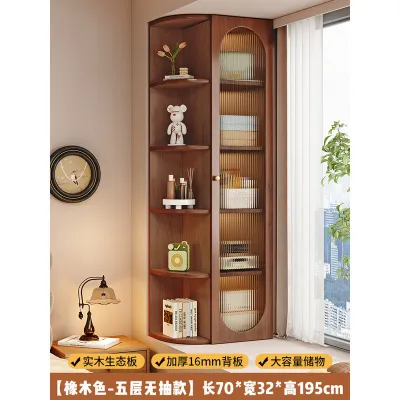
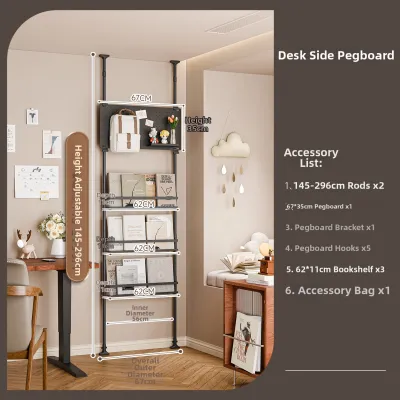
Prices are valid at publication and may change. Please refer to the product page for the latest price.
Finally, consider how the bookcase will physically enter your home. Many HDB and condo residents face delivery challenges because they forget to measure the lift lobby, the lift car door, and the internal dimensions of the lift itself. If your building requires using a staircase, measure the clearance height and the turning radius of the landings. Knowing these dimensions beforehand helps you decide whether to purchase a flat-packed unit for on-site assembly or a fully assembled piece of furniture.
Match Bookcase Dimensions to Your Room Layout
Selecting the right bookcase profile is not just about finding an empty spot; it is about matching the furniture’s footprint to your room’s traffic flow and visual weight. A well-proportioned bookcase should complement the existing layout without dominating the space or disrupting your daily paths.

Narrow and Tall Bookcases for Compact HDB Corners
For smaller HDB bedrooms, study rooms, or tight household shelters, narrow and tall bookcases are highly efficient. By utilizing vertical wall space, these units maximize storage capacity while occupying a minimal footprint on the floor. This configuration is ideal for tight corners or the narrow gaps beside study desks.
When choosing a tall bookcase, always verify your ceiling height and check for any overhead obstructions like ceiling fans or light fixtures. Because tall, narrow units have a higher center of gravity, they are more susceptible to tipping. It is essential to check if the unit comes with wall-anchoring hardware and to ensure your wall type can support secure mounting.
Wide and Low Bookcases for Condo Feature Walls
If you have a larger condo living area, a wide and low-profile bookcase can serve as an excellent feature wall or room divider. Low bookcases keep sightlines open, allowing natural light to flow through the space and making the room feel larger and more airy. They also double as console tables, providing a flat top surface for decorative items or keys near the entryway.
When opting for wider shelves, pay close attention to the load-bearing capacity specified by the manufacturer. Long, wide shelves without central support brackets are prone to sagging under the weight of heavy hardcover books or decorative objects. Check the shelf thickness and material specifications to ensure they can handle your intended load without bending over time.
Check Clearance, Pathways, and Structural Limits
A functional layout requires comfortable clearance zones around your furniture. As a general rule, maintain a walking path of at least 60 to 90 centimeters in front of your bookcase. This ensures you can walk past comfortably, bend down to reach lower shelves, or open cabinet doors and drawers without bumping into other furniture.
Proper ventilation is another critical factor in Singapore’s humid tropical climate. Avoid pushing the bookcase completely flush against the wall; leaving a small gap of 1 to 2 centimeters promotes air circulation and helps prevent moisture buildup, which can damage both the furniture and your books. Ensure the unit does not block air-conditioning vents or return grilles, as this can restrict airflow and reduce cooling efficiency.
Structural integrity is paramount when installing heavy storage units. If your bookcase requires anchoring to prevent tipping, you must identify your wall type. HDB internal walls are often made of lightweight concrete or drywall, while structural columns are solid concrete. Different wall materials require specific wall plugs and screws. If you are unsure about your wall’s composition or do not have the appropriate tools, consult a professional installer to ensure a safe and secure setup.
Common Sizing Mistakes to Avoid
One of the most frequent mistakes is overlooking the delivery route. A bookcase might fit perfectly in your living room, but if the packaged box cannot fit inside the estate’s passenger lift or navigate a tight corridor corner, you may face costly return fees or delivery failures. Always compare the package dimensions provided by the retailer against your building’s access points.
Another common error is ignoring the depth of the bookcase. While shelf depth is necessary for storing books, an overly deep unit can protrude into active walking paths, making a room feel cramped and awkward. Measure your largest books beforehand so you do not buy a deep bookcase when a shallower, space-saving model would suffice.
Lastly, many homeowners forget to account for the thickness of skirting boards along the base of the wall. If a bookcase does not have a recessed base or a skirting cutout at the back, the skirting board will prevent the unit from sitting flush against the wall. This creates an unstable gap at the top, causing the bookcase to lean forward slightly and increasing the risk of instability.
Frequently Asked Questions (FAQ)
Do I need to anchor my bookcase to the wall?
Yes, tall, narrow, or heavily loaded bookcases generally require wall anchoring to prevent tipping. This is especially important for units taller than 120 centimeters or those placed on carpeted or uneven floors. Always check the manufacturer’s assembly instructions for specific anchoring guidelines and use the correct wall plugs suited to your wall material.
How deep should a bookcase be for standard books?
For standard paperbacks and typical novels, a shelf depth of 20 to 25 centimeters is usually sufficient. Larger hardcover books, textbooks, or art albums may require a depth of 30 centimeters or more. To optimize your space, measure the depth of your largest books before purchasing to avoid buying a unit that is unnecessarily deep for your collection.

Community discussion
Share your experience or ask a question. Comments are reviewed before publication.