
Finding the right book rack size for your HDB flat or condominium room requires balancing your storage needs with the physical realities of Singapore’s residential layouts. Unlike spacious landed properties, apartments in Singapore often feature compact floor plans, structural columns, and specific ceiling heights that dictate where and how furniture can be placed. Choosing a rack that is too large can make a room feel cramped and restrict movement, while a unit that is too small may fail to accommodate your collection, leading to cluttered surfaces elsewhere.
To determine the ideal dimensions, you must evaluate three primary factors: the physical limits of your room, the delivery and assembly pathway, and the structural capacity of both the furniture and your walls. By taking precise measurements and understanding how different rack proportions interact with your layout, you can select a storage solution that enhances your home’s organization without compromising on safety or comfort.
Measure Your Space and Access Points
Before browsing online marketplaces or visiting local furniture showrooms, you must establish the absolute physical boundaries of your intended installation site. Begin by measuring the width and height of the wall space where the rack will stand. It is essential to account for fixed architectural elements that can obstruct the furniture; do not simply measure from corner to corner. Look for skirting boards along the floor, which often prevent a flat-backed rack from sitting flush against the wall unless the unit features a base cutout.
Products mentioned in this guide
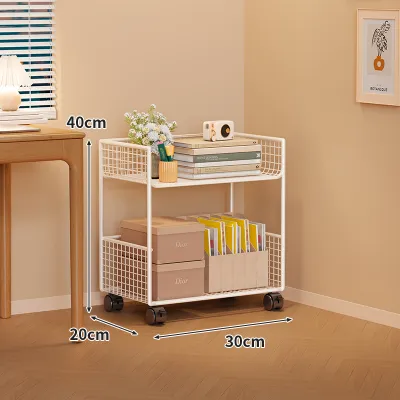
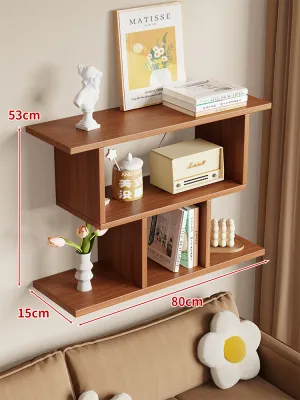
Prices are valid at publication and may change. Please refer to the product page for the latest price.
Additionally, locate all power outlets, light switches, and fiber optic termination points. Blocking these utilities can cause long-term inconvenience, so you may need to select a shorter rack, a unit with an open back, or one that leaves sufficient clearance on either side. In Singapore homes, air-conditioning trunking and structural beams are common features that run along the upper portions of walls. Measure the clearance below these installations carefully to ensure your rack does not interfere with cooling pipes or structural elements.
Equally important is the delivery pathway from the building exterior to the final room. Many homeowners purchase large, fully assembled furniture only to find it cannot fit through the main door or navigate tight corners. Measure the clear width and height of your main entrance, bedroom doors, elevator cabins, and any stairwell landings if your building lacks lift access to your floor. If you choose a flat-packed rack, verify that the room has enough open floor space to lay out the components and assemble the unit safely. Throughout this planning process, maintain consistent measurement units, preferably centimeters, to prevent conversion errors when comparing product specifications.
Match Rack Dimensions to Your Room Layout
The proportions of your book rack should complement the flow of your room rather than obstruct daily activities. When space is limited, you must choose between narrow-and-deep or wide-and-shallow configurations. A wide-and-shallow rack, typically with a depth of 28 to 30 centimeters, is highly suitable for narrow corridors, study rooms, or the foot of a bed, as it preserves valuable walkway space. On the other hand, if you have a narrow wall section but more floor depth to spare, a deeper rack can accommodate larger volumes or double-row stacking, though it will protrude further into the room.

Visual weight is another critical consideration, particularly in compact HDB bedrooms or cozy condo units. Tall racks that reach close to the ceiling can dominate a small room, making it feel darker and more confined. If you are furnishing a smaller bedroom, consider low-profile racks or mid-height units (around 120 to 150 centimeters tall) that keep the upper wall space open, allowing natural light to circulate freely. For open-plan living and dining areas, however, taller racks can serve as excellent spatial dividers, defining distinct zones while maximizing vertical storage.
Always plan for adequate circulation space around the furniture. A book rack should never block natural light sources, window operations, or primary walking routes. Ensure that casement windows can open fully for ventilation and that wardrobe doors or bedroom doors do not strike the rack when opened. If the rack is placed near a doorway, leave a generous buffer zone so that entering and exiting the room remains comfortable and unobstructed.
Evaluate Storage Needs and Weight Capacity
A book rack must be structurally capable of supporting your collection without bowing, warping, or posing a safety hazard. Before selecting a size, estimate the volume and weight of the items you plan to store. Heavy academic textbooks, legal binders, and large hardcovers require robust shelves with high weight capacities, whereas standard paperbacks, novels, and decorative items are significantly lighter.
When reviewing manufacturer specifications, pay close attention to the maximum load limit per shelf, which is typically specified in kilograms. For heavy collections, look for racks constructed from solid wood, thick engineered wood, or metal frames, and avoid long, unsupported shelves that are prone to sagging over time. Adjustable shelf spacing is another valuable feature, allowing you to customize the height of individual compartments to fit oversized books or files without wasting vertical space.
Safety is paramount, especially for tall or narrow racks that have a higher risk of tipping over. Any rack taller than 120 centimeters should be securely anchored to the wall, particularly if you have young children or pets in the home. Before purchasing, verify your wall type to ensure it can support the necessary fixing hardware. Concrete structural walls, common in HDB flats, require masonry drills and heavy-duty wall plugs for a secure hold. Drywall partitions, often found in newer condominiums, require specialized hollow-wall anchors or must be fastened directly into the internal metal or timber studs.
Avoid Common Sizing and Placement Mistakes
Proper placement is just as important as choosing the right dimensions. One common mistake is placing tall racks too close to ceiling fans, lighting fixtures, or wall-mounted air conditioners. A tall unit can disrupt the airflow from a fan or block the distribution of light, creating unwanted shadows in your reading area. In newer residential developments, ensure the top of the rack remains clear of fire sprinkler heads and emergency sensors.
Additionally, avoid blocking essential service access points. Electrical distribution boards, household shelter ventilation valves, and utility meters must remain fully accessible at all times. Placing a heavy, fully loaded book rack in front of these areas can create a safety hazard and make routine maintenance or emergency access extremely difficult.
Finally, consider the practicalities of daily maintenance. Ensure there is sufficient clearance at the base or sides of the rack for routine cleaning. If you use a robot vacuum, check the ground clearance of the rack’s legs; many models require at least 10 centimeters of clearance to navigate underneath. Alternatively, a solid-base rack that sits flush against the floor prevents dust from accumulating underneath, reducing the need for frequent cleaning in hard-to-reach gaps.
Frequently Asked Questions (FAQ)
Can I use a floor-to-ceiling book rack in a standard HDB bedroom?
Yes, but it requires precise planning and measurement. Standard HDB bedrooms typically have a ceiling height of approximately 2.6 meters, though this can vary. You must measure the exact height from floor to ceiling at multiple points along the wall, as floors and ceilings are rarely perfectly level. Account for any false ceilings, decorative cornices, or structural beams that might reduce the available height. It is also crucial to leave at least 5 to 10 centimeters of clearance at the top to allow for safe assembly, especially if the rack must be built flat on the floor and tilted upright during installation.
How much clearance should I leave in front of a book rack?
To browse your books comfortably, you should maintain a minimum clearance of 60 to 90 centimeters in front of the rack. This space allows an adult to stand, bend down to reach lower shelves, and walk past without feeling restricted. If your book rack features lower cabinets with hinged doors, pull-out drawers, or sliding compartments, you must add the depth of these extended features to your clearance calculations to ensure they can open fully without hitting other furniture or blocking the walkway.

Community discussion
Share your experience or ask a question. Comments are reviewed before publication.