
Choosing the perfect high chair bar stool for your kitchen island is more than just finding a design that catches your eye. It requires a thoughtful balance of precise spatial measurements, ergonomic comfort, and visual alignment with your home’s interior theme. Because the kitchen island often serves as the central hub of a modern home—where quick breakfasts, remote work, and evening conversations happen—the stools you select must withstand daily use while enhancing the room’s overall aesthetic.
By evaluating your island’s physical dimensions first, you can narrow down your options to the exact height and style that will make your kitchen both functional and inviting. This guide walks you through the essential steps of measuring your space, matching popular design aesthetics, and selecting durable materials that stand up to daily kitchen activities.
Assessing Your Kitchen Island and Space Constraints
Before exploring design aesthetics, you must establish the physical boundaries of your kitchen layout. The most common mistake is purchasing stools that are either too tall to fit under the counter or too wide to accommodate the desired number of seats. To avoid this, start by measuring the vertical distance from the floor to the top of your kitchen island countertop. This measurement determines whether you need counter-height stools (typically paired with counters measuring 85 to 90 centimeters high) or bar-height stools (suited for taller surfaces measuring 100 to 105 centimeters high).
Products mentioned in this guide
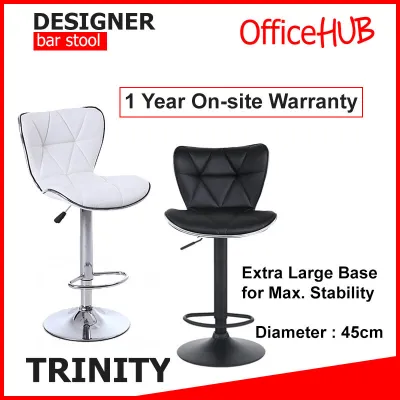
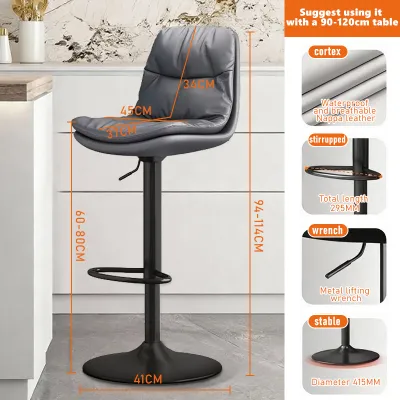
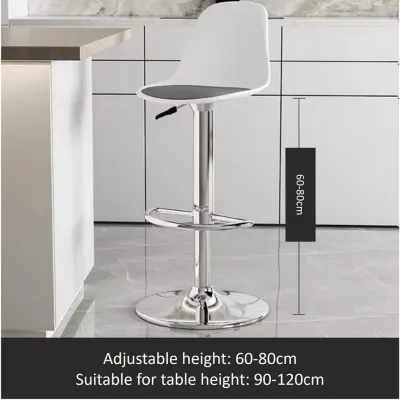
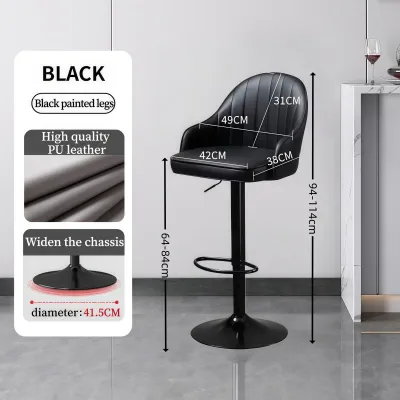
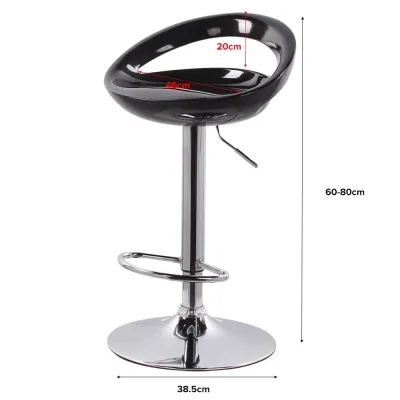
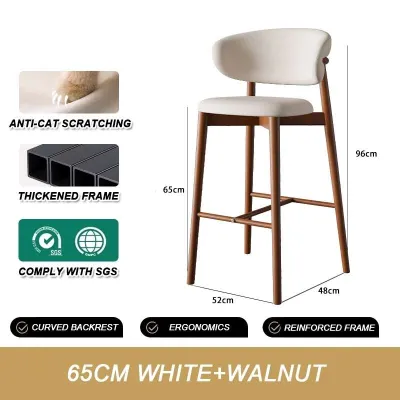
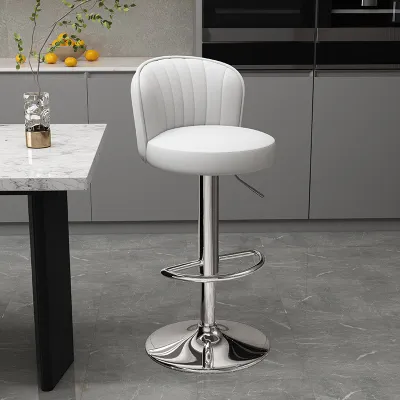
Prices are valid at publication and may change. Please refer to the product page for the latest price.
Always measure to the underside of the countertop overhang as well, as a thick stone slab or a deep wooden apron can significantly reduce the actual clearance available for your legs. Once you have the height, calculate the horizontal spacing to ensure comfortable seating. Each person requires adequate elbow room and breathing space to eat or work without feeling cramped. A reliable rule of thumb is to allow at least 60 to 75 centimeters of width for each stool, measured from the center of one seat to the center of the next.
Additionally, ensure there is a clear depth of at least 25 to 30 centimeters of knee clearance under the overhang so that guests do not have to sit sideways or hunch forward. Finally, look beyond the island itself to assess the surrounding traffic flow. Kitchens are high-activity zones where doors, drawers, and appliances are constantly in use. Measure the walkway behind the island; you should ideally maintain a clearance of at least 90 to 100 centimeters between the edge of the stool and any parallel walls, cabinets, or dining tables to allow family members to walk behind seated guests without forcing them to tuck in.
Matching Bar Stool Styles to Kitchen Design Themes
Once the physical dimensions are established, you can focus on the visual language of your kitchen. The goal is to choose high chair bar designs that complement your existing cabinetry, countertops, and hardware rather than competing with them. Start by identifying the dominant materials and finishes in your space. For instance, if your kitchen features prominent marble countertops with bold veining, choosing stools with highly ornate patterns might create visual clutter. Instead, look for simpler silhouettes that allow the countertop to remain the focal point.

To achieve a balanced look, consider the concept of visual weight. A heavy, solid-wood island base paired with bulky, fully upholstered high chairs can make a small kitchen feel dark and enclosed. In contrast, pairing a solid island with stools that feature open, slender metal frames creates a sense of airiness by allowing light to pass through. Use the stools as a design bridge that connects different elements of the room—for example, matching the metal legs of the stools to your cabinet handles or pendant light fixtures.
Industrial and Modern Minimalist Themes
Industrial and modern minimalist kitchens thrive on clean lines, structural honesty, and a lack of unnecessary ornamentation. If your kitchen features concrete-look countertops, exposed brick, or sleek handleless cabinets, look for stools that mirror this raw, functional aesthetic. Typical design elements include exposed steel or iron frames, matte black powder-coated finishes, and molded plywood or distressed wood seats. These materials offer a sturdy, utilitarian look that grounds the kitchen space.
For minimalist environments, prioritize ultra-clean silhouettes with slim profiles. A simple metal frame with a low-profile seat pan keeps the visual footprint to a minimum, ensuring the kitchen feels spacious and uncluttered. When selecting metal stools, check that the frames are treated with a high-quality, rust-resistant finish to withstand the humidity of a busy kitchen. Matte finishes are particularly practical, as they are less likely to show oily fingerprints or water spots compared to high-gloss alternatives.
Scandinavian and Japandi Aesthetics
Scandinavian and Japandi (Japanese-Scandinavian fusion) designs focus on warmth, natural light, and organic textures. If your kitchen features light oak cabinetry, white quartz countertops, and soft, neutral color palettes, your high chair bar selections should reflect this calming atmosphere. Look for stools crafted from light-toned woods such as ash, beech, or pale oak. Elements like woven paper cord, rattan, or light linen upholstery add tactile warmth without disrupting the minimalist vibe.
When coordinating wood tones, you do not need an exact match between the stools and the island base, but the undertones should harmonize. For example, pair a warm oak island with stools that have similar warm undertones, or use a clean white island as a backdrop for pale birch stools to create a soft, intentional contrast. Because natural materials are more susceptible to spills, check the manufacturer’s care instructions to ensure any wood finishes or woven seats are sealed against moisture and food stains.
Mid-Century and Transitional Designs
Mid-century modern and transitional kitchens offer a beautiful blend of classic warmth and contemporary convenience. If your home features rich walnut cabinetry, brass hardware, or a mix of traditional shaker cabinets with modern appliances, look for stools that bridge these eras. Mid-century designs often feature tapered wooden legs, gently curved bentwood backrests, and subtle, organic shapes. Transitional styles, on the other hand, lean toward classic silhouettes with updated, cleaner lines.
Upholstery plays a key role in these styles, offering an opportunity to introduce texture and color. Look for durable fabrics in earthy tones, muted jewel colors, or classic neutrals that complement your kitchen’s color scheme. Ensure the wood undertones of the stool legs align with your kitchen flooring; warm walnut stools look best against floors with similar warm undertones, while cool grey or tiled floors can handle darker, espresso-toned woods or contrasting painted finishes.
Evaluating Comfort and Ergonomics for High Bar Chairs
While style is essential, a beautiful stool that is uncomfortable to sit on will quickly go unused. The level of comfort you need depends largely on how you plan to use your kitchen island. If the island is primarily a quick breakfast spot or a place for guests to chat while you cook, backless stools are an excellent, space-saving option. They can slide completely under the counter when not in use, keeping walkways clear. However, for longer activities like working from home, helping children with homework, or enjoying multi-course dinners, stools with supportive backrests are highly recommended.
When evaluating backrests, consider the height and angle of the support. Low-back stools offer a compromise, providing a small amount of lumbar support while maintaining a low visual profile that does not block the view of your countertops. Full-back stools offer the highest level of comfort but take up more visual space and can make a small kitchen look crowded. Sit in various styles if possible to check that the seat depth and backrest angle support your natural posture without forcing you to slouch.
Ergonomics also extend to footrests and movement. Because high chair bar seats elevate your feet off the floor, a sturdy footrest is crucial to prevent leg fatigue and pressure on the back of your thighs. Check that the footrest is at a comfortable height relative to the seat pan, and look for metal-capped footrests on wooden stools to protect the wood from shoe scuffs. Swivel mechanisms are another excellent feature for busy kitchens, allowing users to turn and talk to people in different parts of the room or get in and out of the seat easily without dragging the stool across the floor. If you choose swivel stools, ensure the base is heavy and stable to prevent tipping, especially on thick rugs or uneven tile floors.
Navigating Materials and Maintenance in a Kitchen Environment
The kitchen is a high-traffic, high-spill environment, meaning the materials you choose for your stools must be easy to clean and maintain. Before making a purchase, review the manufacturer’s cleaning guidelines for every surface of the stool. Wood stools should be finished with a durable, water-resistant polyurethane or lacquer coat that can be wiped down with a damp cloth. Avoid untreated or rough-sawn wood, as grease and food particles can easily become trapped in the grain, making them difficult to sanitize.
For upholstered stools, fabric selection is critical. Avoid delicate, highly porous fabrics like silk or standard cotton in areas prone to cooking splatters, red wine spills, or greasy fingers. Instead, opt for performance fabrics that are treated to resist stains and moisture, or choose easy-to-clean materials like faux leather, top-grain leather, or molded plastic. These materials can be quickly wiped clean with a mild soap solution, ensuring your stools look pristine for years to come.
Finally, do not forget to protect your flooring. The constant sliding of stools back and forth can scratch hardwood, laminate, or delicate tile floors over time. Check that the stools come equipped with high-quality floor glides. Felt pads are ideal for smooth hardwood or laminate surfaces, as they allow the stools to glide silently, though they do need to be replaced periodically as they collect dust. For tiled or textured floors, durable plastic or rubber caps are often a better choice, as they resist wear and tear from grout lines while preventing unsightly scuff marks.
Frequently Asked Questions (FAQ)
How many bar stools should I buy for my kitchen island?
To determine the ideal number of stools, measure the total length of your island’s seating side and apply standard spacing guidelines. Each person requires about 60 to 75 centimeters of horizontal space to eat comfortably. For example, if your island is 180 centimeters long, you can comfortably fit two to three stools, depending on their width.
You must also account for any structural elements like island legs, decorative corbels, or support pillars, which can restrict legroom and reduce the usable seating area. Always leave a gap of at least 15 centimeters between the end stools and the edge of the island to maintain visual balance and ensure guests do not feel like they are sitting on the very edge of the counter.
What is the correct height difference between the island and the stool seat?
For comfortable dining and working, the ideal vertical distance between the top of the stool seat and the underside of the island countertop is between 25 and 30 centimeters. This clearance provides ample room for your legs to move freely without your thighs pressing against the underside of the counter.
When measuring, always measure from the floor to the lowest point of the island’s underside, taking into account any thick stone edges, support beams, or aprons. If your island has a particularly thick countertop or a deep apron, you may need to choose a slightly lower stool or opt for an adjustable-height model to ensure you maintain this essential 25 to 30-centimeter gap.

Community discussion
Share your experience or ask a question. Comments are reviewed before publication.