
Finding the ideal bar counter chair for your kitchen island or breakfast counter requires balancing precise physical dimensions with practical material choices. A mismatch in height can make dining uncomfortable, while selecting the wrong material can lead to premature wear in a high-use, high-humidity cooking environment. By measuring your space accurately and evaluating how different materials perform under daily use, you can select seating that is both comfortable and durable.
Measure Your Counter to Determine the Correct Seat Height
To find the right stool height, start by measuring the exact distance from the floor to the underside of your kitchen counter or island. Do not measure to the top surface of the counter, as a thick countertop or an under-counter apron can significantly reduce the actual space available for your legs. Use a metal tape measure for accuracy, keeping the tape perfectly vertical from the floor to the lowest point of the counter’s underside structure.
Standard kitchen counters in Singapore homes typically sit around 85 to 90 cm high, which generally pairs with counter-height stools. Elevated bar counters, often found in custom partitions or high-top dining setups, usually range from 100 to 105 cm, requiring taller bar-height stools. Rather than relying on rigid universal labels, always compare your physical measurements directly with the manufacturer’s specified seat height to avoid errors.
Products mentioned in this guide
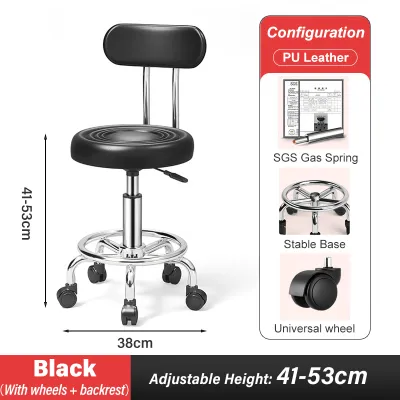
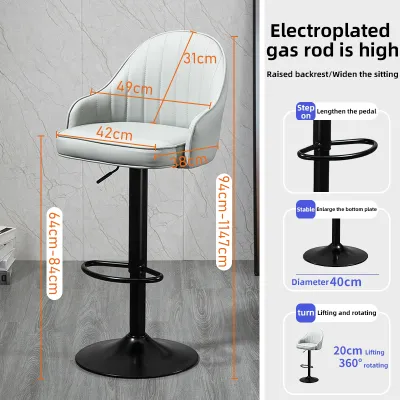
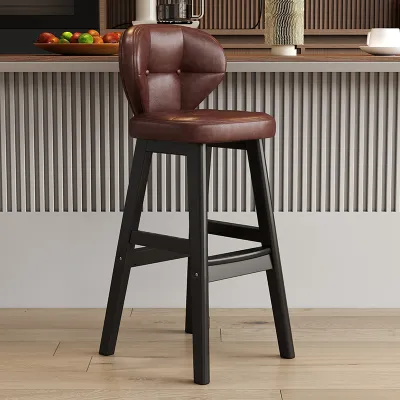
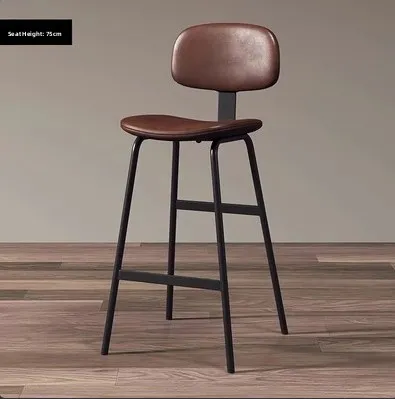
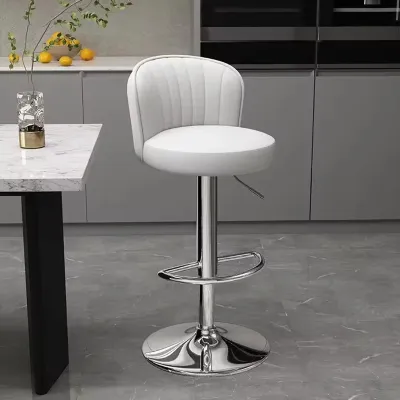
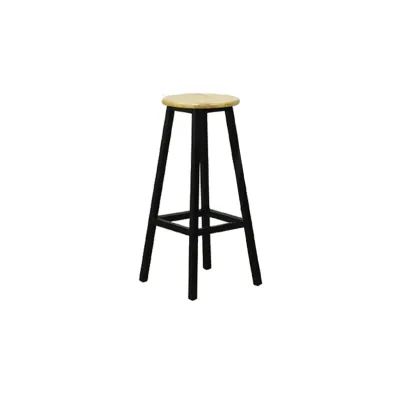
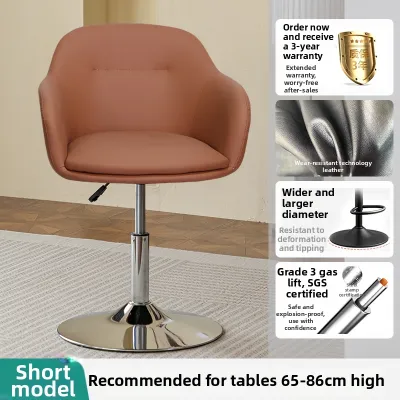
Prices are valid at publication and may change. Please refer to the product page for the latest price.
To calculate the required legroom, subtract the stool’s specified seat height from your measured counter height. A comfortable clearance gap is typically between 25 and 30 cm, which allows you to cross your legs without pressing against the underside of the counter. If you are considering stools with thick, plush seat cushions, check if the manufacturer’s height measurement represents the compressed or uncompressed cushion state.
Width and spacing are equally critical when planning your seating layout. If you prefer stools with armrests or those that swivel, you must account for extra clearance to prevent the chairs from knocking into each other or the counter edge. Measure the widest point of the chair—often the base or the outer edges of the armrests—and ensure you leave at least 15 cm of space between adjacent stools for comfortable movement and easy access.
Evaluate Materials Based on Usage and Maintenance Needs
Selecting the right material involves assessing how the stool frame and seat will handle your household’s daily activity and kitchen environment. For wood frames, inspect the joint construction; mortise-and-tenon joints or reinforced corner blocks offer greater stability than simple glued dowels. For metal frames, check for protective surface treatments such as powder coating, which helps prevent rust in Singapore’s humid tropical climate.

Upholstered seats add comfort but require careful selection to avoid high-maintenance cleaning routines. Look for manufacturer care labels specifying stain-resistant treatments or synthetic fabrics like polyurethane (PU) leather, which can be wiped clean easily. Avoid delicate, highly absorbent fabrics in active cooking zones where grease splatters and food spills are common.
Open-concept kitchens expose dining furniture to airborne oils, steam, and moisture from daily cooking. If your bar counter is close to your hob, prioritize non-porous materials that do not trap odors or moisture.
The following decision matrix compares common material options across key performance and maintenance axes to help you align your choice with your household’s lifestyle:
| Material Type | Comfort Level | Cleaning & Maintenance | Humidity & Moisture Resistance | Best Suited For |
|---|---|---|---|---|
| Solid Wood | Moderate (requires cushions for long sits) | Wipe with damp cloth; avoid harsh chemicals | Moderate; check sealant and joint finishes | Classic aesthetics, low-grease dining zones |
| Powder-Coated Metal | Firm (best with optional pads) | Easy to wipe; highly resistant to spills | High; check for rust-resistant coatings | Industrial styles, high-traffic areas, easy cleanup |
| PU / Synthetic Leather | High (cushioned support) | Wipe clean with mild soap; stain-resistant | High; resists spills but avoid pooling water | Daily family dining, comfort-focused setups |
| Fabric Upholstery | High (soft and breathable) | Requires prompt spot cleaning or vacuuming | Low to Moderate; check fabric protection labels | Low-traffic counters, dedicated dry kitchens |
Check Space, Clearance, and Safety Requirements
Before finalizing your purchase, verify that the physical dimensions of the stools match your home’s layout and access routes. Measure your doorways, hallways, and lift access dimensions to ensure fully assembled stools can be delivered into your home without damage. In compact apartments, choosing a low-profile stool that tucks completely under the counter when not in use helps keep pathways clear and maintains a clean visual line.
Consult the product manual to check the base width and weight distribution of the stool. Stools with a wider, heavier base or a continuous sled base tend to offer better stability than those with thin, highly tapered legs. Check the manufacturer’s specified load capacity to ensure the stool meets your household’s needs and provides a secure seating experience.
If you have young children or pets, look for stools with a low center of gravity and anti-tip designs. Heavy metal or solid wood stools are harder to knock over than lightweight plastic models. Avoid high-profile swivel stools for very young children, as the spinning motion can present a tipping hazard if they attempt to climb up.
Verify what type of floor glides are pre-installed on the stool legs to protect your flooring. Hard plastic glides can scratch delicate surfaces like polished marble or vinyl, while soft felt pads are better suited for smooth indoor surfaces. If the product requires self-assembly, review the instructions beforehand to ensure you have the necessary tools and that the joints can be tightened securely to prevent wobbling.
Build Your Shortlist Using a Decision Checklist
To translate your measurements and material preferences into a final purchase, compile your findings into a structured decision checklist. This systematic approach ensures you do not overlook critical dimensions or maintenance requirements during your search.
First, record your counter’s underside height, the maximum allowable stool width, and your target seat height range on a single reference sheet. Use these hard limits to filter out any candidate products that do not physically fit your space.
Next, establish your baseline material preferences and maintenance tolerances. Decide upfront whether you are willing to perform regular fabric maintenance or if you require a strictly wipe-clean surface, and filter your options accordingly.
Before placing an order, cross-reference your candidate products with the manufacturer’s detailed specification sheets. Verify the exact dimensions, weight capacity, assembly requirements, and the type of floor protection included.
Finally, confirm the retailer’s return policy, warranty terms, and delivery options. Since comfort is highly subjective, check if the store offers assembly support or a trial period, allowing you to verify the physical fit and stability in your actual kitchen before making a permanent commitment.
Frequently Asked Questions (FAQ)
Can I use adjustable-height stools for both counter and bar setups?
Yes, adjustable-height stools offer added versatility, but you must verify that their specific adjustment range covers your measured counter height. Check the product specifications for the minimum and maximum seat heights, ensuring your target height falls comfortably within this range rather than at the absolute limit. Additionally, inspect the weight limits and maintenance guidelines for the pneumatic gas lift or mechanical screw mechanism, as these components require periodic checks to ensure smooth operation over time.
How do I clean and maintain upholstered seats in a kitchen environment?
To maintain upholstered seats near cooking areas, always consult the manufacturer’s cleaning codes (such as W for water-based cleaners or S for solvents). For daily care, wipe synthetic upholstery like PU leather with a damp microfiber cloth and mild soap, avoiding abrasive scrubbers that can damage the protective finish. For woven fabrics, apply a fabric protector if recommended by the manufacturer, vacuum regularly to remove food crumbs, and address spills immediately by blotting rather than rubbing to prevent stains from setting.

Community discussion
Share your experience or ask a question. Comments are reviewed before publication.