
Finding the right Aledan bookcase size for your home requires balancing your storage needs with the physical realities of your living space. Whether you are furnishing a compact apartment or a spacious condominium, selecting the correct dimensions ensures your books are safely housed without overcrowding your room. By measuring your available space, assessing your collection, and understanding how modular configurations work, you can choose a unit that fits seamlessly into your layout.
Measure Your Room Layout and Available Space
To begin, measure the exact floor width, depth, and ceiling height of the designated area. Do not rely on general room dimensions; use a metal measuring tape to capture the precise footprint where the bookcase will stand.
Remember to measure at multiple points along the wall. Residential walls are not always perfectly square, and even a slight tilt can affect how a tall bookcase sits.
Products mentioned in this guide
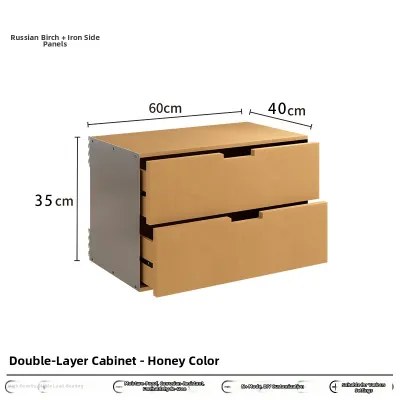
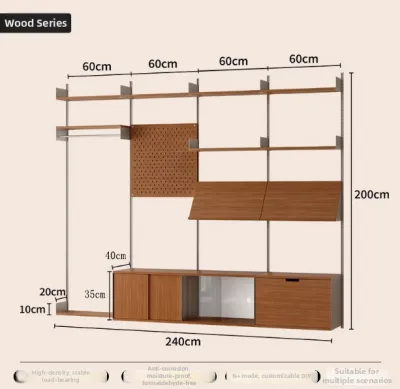
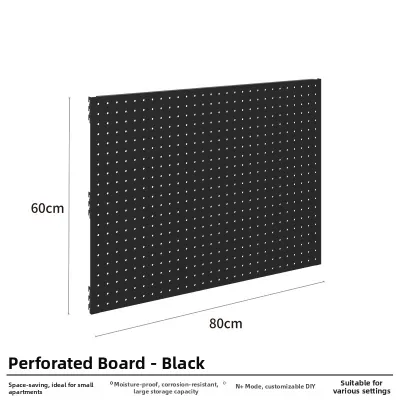
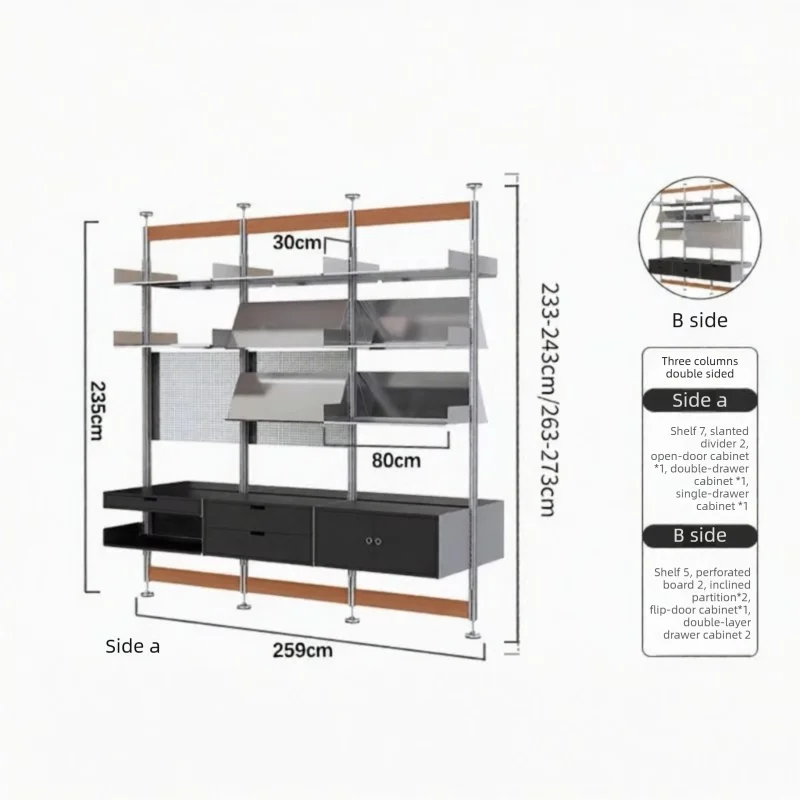
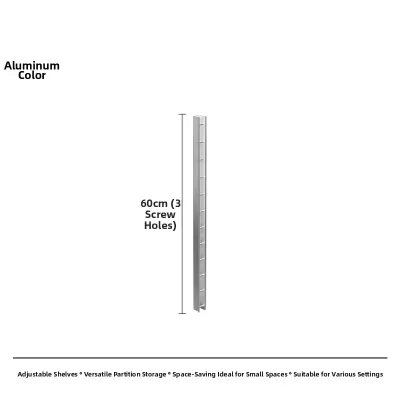
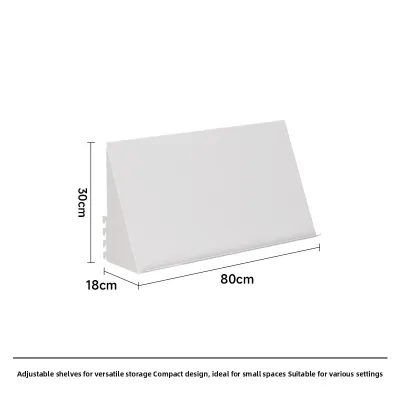
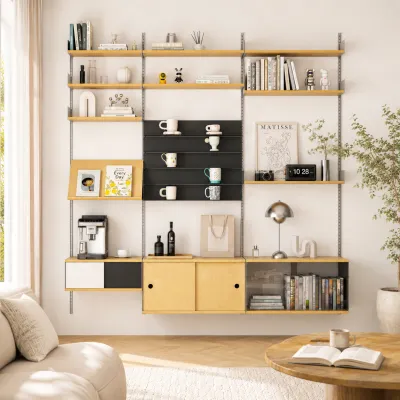
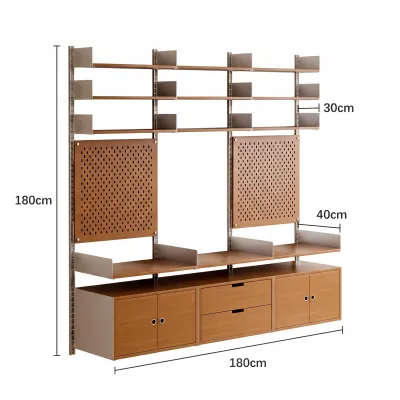
Prices are valid at publication and may change. Please refer to the product page for the latest price.
Account for baseboards and skirting boards along the bottom of your walls. These architectural details project outward and will prevent a flat-backed bookcase from sitting completely flush against the wall unless the unit features a baseboard cutout.
Measure the height and depth of your skirting boards so you can compare them against the bookcase’s design specifications. This step prevents unexpected gaps that can compromise stability.
Identify any physical obstructions that could interfere with the bookcase or its installation. Look out for wall-mounted air conditioning units, light switches, electrical outlets, window frames, and door swings.
A tall bookcase must not block air vents or restrict access to power sockets that you need for daily electronics. Planning around these fixtures saves you from having to rearrange your room later.
Consider the flow of foot traffic through the room. Leave ample clearance in front of the bookcase so you can comfortably stand, browse, and reach the highest or lowest shelves.
If the bookcase is placed in a narrow hallway or near a doorway, choose a shallower depth. This prevents the unit from obstructing walkways or colliding with adjacent furniture.
Define Your Storage and Display Requirements
Before looking at specific dimensions, evaluate the items you plan to store. Group your collection into categories such as standard paperbacks, heavy hardcover novels, oversized art books, decorative items, or storage baskets.

This categorization helps you estimate the total linear shelf space required and determines the depth you need. Oversized books, for example, require deeper shelves to prevent them from overhanging.
Weight distribution is a critical factor in maintaining the structural integrity of your furniture. Heavy items like encyclopedias or ceramic decorative pieces should always be placed on the lowest shelves to keep the center of gravity low.
If your collection includes items of varying heights, look for models with adjustable shelving tracks. This allows you to customize the vertical clearance of each compartment to fit your specific items.
Decide whether you prefer open shelving, closed cabinets, or a combination of both. Open shelves are excellent for displaying curated book collections and decorative objects, but they require regular dusting.
Closed lower cabinets or drawers are ideal for concealing clutter, storing loose paperwork, or protecting sensitive items from dust and ambient moisture. This combination offers both aesthetic appeal and practical utility.
Evaluate Aledan Bookcase Dimensions and Configurations
When browsing the Aledan range, always consult the manufacturer’s official product sheets for the exact external dimensions of each model. Because product lines can feature subtle design variations, checking the official specifications ensures you do not rely on visual estimates.
Pay close attention to the depth, as even a few centimeters of difference can impact how far the unit projects into your room. A deeper unit might offer more storage but can quickly make a small room feel cramped.
Aledan offers various configurations, ranging from narrow, single-column freestanding units to wide, multi-tier modular systems. If you have limited wall width but high ceilings, a tall, narrow unit maximizes vertical storage without consuming valuable floor space.
For larger rooms, combining multiple modular units horizontally creates a built-in library aesthetic. This modular approach allows you to expand your storage capacity over time as your collection grows.
Always check the product labels or official documentation for the maximum weight capacity per shelf. Different materials and shelf spans have distinct load limits that must not be exceeded.
If you plan to store exceptionally heavy items, verify whether the specific Aledan model you are considering requires additional mid-shelf supports or reinforced brackets. This precaution prevents the shelves from bowing or sagging over time.
Plan for Delivery, Assembly, and Safety Clearances
Selecting a bookcase that fits your room is only half the battle; you must also ensure it can physically reach the space. Measure the height and width of your building’s elevator doors, common corridors, stairwells, and your home’s main entrance.
Flat-packed furniture is easier to transport, but you must still verify that the longest packaging boxes can clear tight corners and low ceilings during delivery. This is especially important in high-rise residential buildings with standard-sized lifts.
Plan your assembly zone before the delivery arrives. Assembling a tall bookcase typically requires laying the side panels flat on the floor, which demands a clear workspace at least as wide and long as the fully assembled unit.
Ensure you have enough room to maneuver tools and safely rotate the frame without scratching your flooring or damaging nearby walls. Working in a cramped space increases the risk of assembly errors or accidental damage.
Safety must be a primary consideration during installation, particularly in households with young children or pets. Tall bookcases are inherently top-heavy when loaded and pose a serious tip-over hazard.
Always follow the manufacturer’s instructions to anchor the unit securely to the wall. Use the appropriate wall plugs and screws suitable for your specific wall material, whether it is concrete, brick, or drywall.
Common Sizing Mistakes to Avoid
One of the most frequent errors is failing to account for the thickness of skirting boards. If a bookcase cannot sit flush against the wall, it creates an unstable gap at the back, making it difficult to anchor the unit securely.
Another common mistake is overloading shelves beyond their rated capacity. Even high-quality shelves will sag or warp if subjected to excessive weight over prolonged periods.
Distribute your books evenly across all shelves, and avoid stacking heavy volumes in the center of a single span without adequate support. Placing heavier items at the bottom also improves overall stability.
Finally, do not ignore the vertical clearance required to stand the bookcase upright after assembly. If you assemble a tall unit flat on the floor, the diagonal height of the frame as it is raised is greater than its final standing height.
Failing to calculate this clearance can result in a bookcase that cannot be stood upright because it hits the ceiling during the lift. Always ensure you have sufficient overhead clearance before beginning assembly.
Frequently Asked Questions (FAQ)
Can I combine different Aledan bookcase sizes in the same room?
Yes, you can combine different sizes, provided you maintain visual and structural harmony. When mixing modular units of varying heights or widths, try to align the horizontal shelf lines where possible to create a clean, cohesive look. Always check the manufacturer’s guidelines to see if the specific Aledan models are designed to be physically bolted together for stability, or if they should remain as independent, freestanding units placed side by side.
How much space should I leave between the bookcase and the ceiling?
It is advisable to leave at least 5 to 10 centimeters of clearance between the top of the bookcase and your ceiling. This gap is essential if you need to tilt the unit upright during assembly, and it also ensures adequate ventilation and airflow around the top of the furniture. Additionally, keeping a clear space prevents the bookcase from interfering with ceiling fans, light fixtures, or air conditioning units mounted near the top of the wall.

Community discussion
Share your experience or ask a question. Comments are reviewed before publication.