
Finding the right storage solution for a compact HDB flat or condominium in Singapore requires balancing high capacity with a minimal physical footprint. A modular book shelves rack offers an adaptable compromise, allowing you to customize height, width, and depth to match your room’s exact layout. By selecting a system that grows with your collection, you can maximize vertical space without making your living area feel cramped or cluttered. To make an informed choice, you must evaluate your floor space, assess the weight of your items, and choose configurations that maintain visual openness. This guide outlines the essential steps to plan, select, and safely install a modular shelving system tailored to compact Singaporean homes.
Measure Your Space and Define Storage Needs
Before browsing online marketplaces or visiting local showrooms, you must establish the precise physical boundaries of your room. Start by measuring the available floor footprint with a reliable tape measure, noting any nearby architectural features. In compact apartments, every millimeter counts, so you must account for door swings, window openings, and the clearance needed for walkways. Maintain at least 60 to 70 centimeters of clear walkway space in front of the shelves to allow comfortable passage.
Next, measure the vertical clearance from the floor to the ceiling. Singapore homes typically have ceiling heights ranging from 2.6 to 2.8 meters, though some units may have lower false ceilings or structural beams. Knowing this height helps you determine how high your modular system can safely go.
Products mentioned in this guide
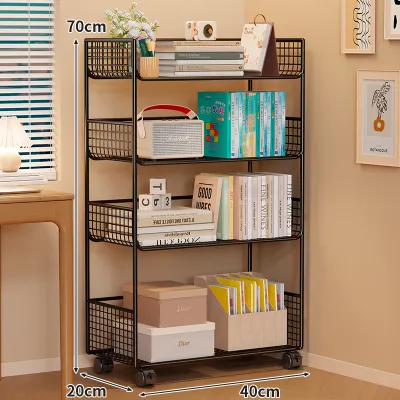
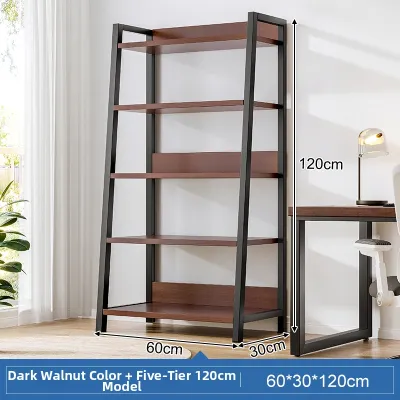
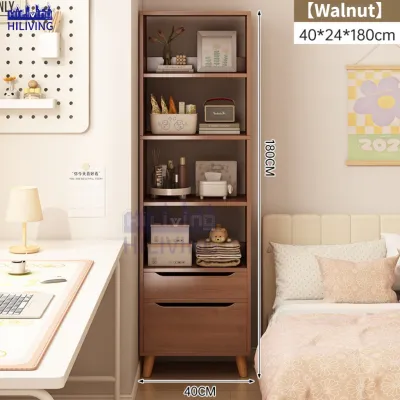
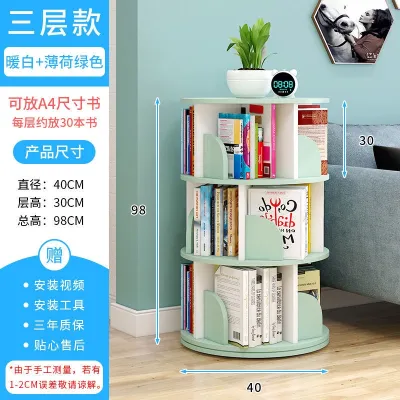
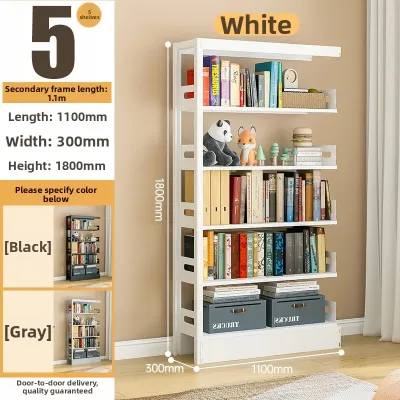
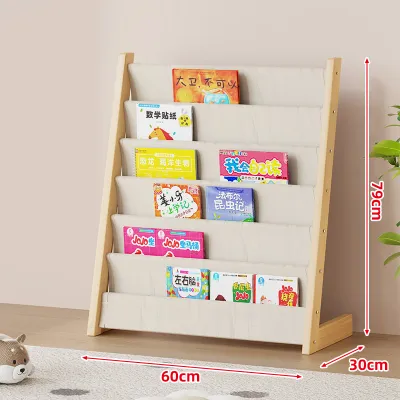
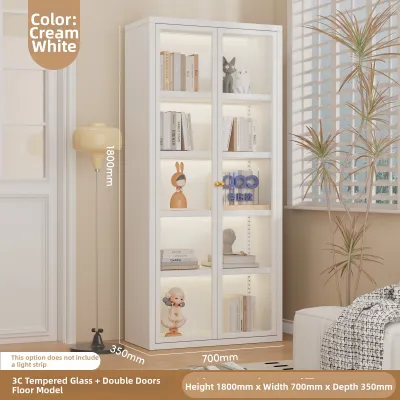
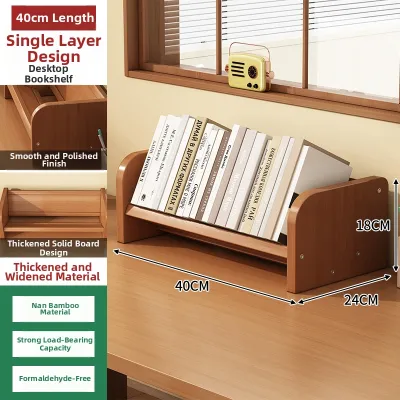
Prices are valid at publication and may change. Please refer to the product page for the latest price.
When planning your purchase, also consider doorway and lift access. Modular units that arrive flat-packed are easier to transport through tight corridors and standard passenger lifts, but they require careful assembly on-site. Ensure you have sufficient floor space to lay out the parts during assembly.
Once the physical boundaries are clear, audit the items you plan to store. Standard paperback books, heavy academic textbooks, oversized A4 arch files, and decorative storage bins all require different shelf depths and heights. For example, standard novels fit comfortably on shelves with a depth of 20 to 25 centimeters, while larger files and storage boxes require a depth of at least 30 to 35 centimeters. Calculate your required number of modules by grouping your current inventory by size and estimating future growth.
Select Space-Saving Designs for Compact Rooms
The design of your modular book shelves rack plays a significant role in how spacious your room feels. In small apartments, vertical tower configurations are highly effective because they utilize unused overhead space while occupying minimal floor area. These tall, narrow units draw the eye upward, making the ceiling appear higher. Conversely, horizontal low-profile setups work better under windows, beneath wall-mounted televisions, or in rooms with low ceilings where a tall unit might block natural light.

Another critical design choice is the choice between open-back and closed-back modular shelves. Open-back designs are highly recommended for compact rooms because they allow the wall color to show through, creating a sense of visual lightness and depth. They also promote better airflow, which is essential in Singapore’s humid climate to prevent musty odors. Closed-back designs, while heavier visually, offer a cleaner look and prevent smaller items from falling behind the unit.
To ensure maximum versatility, look for modular systems that feature adjustable shelf heights and removable dividers. This flexibility allows you to adapt the shelving layout as your storage needs change. Instead of being locked into fixed compartment sizes, you can easily reconfigure the shelves to accommodate a tall vase, a stack of board games, or a new set of reference books.
Verify Material Strength and Structural Safety
A fully loaded book shelves rack carries a substantial amount of weight, making structural integrity a primary safety concern. Before purchasing any modular unit, check the manufacturer’s specified weight limit per shelf and the total load capacity of the entire configuration. Books are deceptively heavy; a single shelf filled with dense textbooks can easily weigh 15 to 20 kilograms. Ensure the materials used are rated to support your intended load without sagging over time.
Rather than assuming a material is inherently durable or scratch-resistant based on its name, check the manufacturer’s care instructions and the quality of the protective finish. In humid environments, look for finishes that resist moisture absorption at the joints. Inspect the quality of the joints, brackets, and connector pieces. Modular systems rely on these connection points to maintain stability under continuous load. Metal-to-metal connectors, locking cam screws, and heavy-duty steel brackets generally offer greater long-term stability than simple plastic push-fit pegs.
For tall or narrow configurations, verifying anti-tip or wall-anchoring requirements is non-negotiable. Any modular unit that stands taller than 1.2 meters, or has a height-to-depth ratio greater than 3:1, poses a tipping hazard, especially if loaded unevenly. Look for systems that include dedicated wall-anchoring hardware and clear instructions for securing the unit to different wall types.
Plan Your Modular Configuration and Layout
One of the greatest advantages of modular shelving is the ability to customize the layout to fit awkward corners, alcoves, or specific room shapes. In many Singapore apartments, structural pillars, bomb shelter doors, or unusual floor plans can leave you with underutilized nooks. By combining different module sizes—such as standard square cubes and half-height rectangular units—you can build a stepped or asymmetrical configuration that fits perfectly into these challenging spaces.
To maximize organization, integrate compatible DIY add-ons into your modular layout. Many modular systems are designed to accommodate standardized accessories, such as fabric storage baskets, pull-out drawer inserts, or acrylic shelf dividers. These add-ons allow you to hide visual clutter, organize loose papers, and keep smaller items upright, ensuring your shelving unit remains neat and functional.
When planning your layout, always keep future reconfiguration in mind. Select a modular system that utilizes standardized connection points and is widely supported by the manufacturer. This ensures that if you move to a larger home or decide to rearrange your living room layout in the future, you can easily purchase matching components to expand, split, or reshape your existing shelving setup.
Avoid Common Sizing and Placement Mistakes
When installing a modular book shelves rack in a tight space, small oversight errors can lead to significant placement issues. A common mistake is ignoring the depth of baseboards or skirting boards along the bottom of the wall. If your shelving unit does not have a bottom cutout to accommodate the skirting, it will not sit flush against the wall. This creates an unstable gap behind the unit, making it difficult to anchor securely and allowing small items to fall behind.
Another critical error is blocking essential household infrastructure. Before finalizing your placement, ensure the shelves do not cover power outlets, light switches, air-conditioning trunking, or ventilation grilles. Blocking air-con trunking can restrict access for maintenance, while covering power outlets can create fire hazards if plugs are bent or cords are pinched against the wall.
Finally, avoid the temptation to build top-heavy configurations. Placing heavy books or decorative objects on the upper shelves while leaving the lower modules empty or lightly loaded compromises the unit’s stability. Always place your heaviest items at the very bottom to establish a low center of gravity, reducing the risk of accidental tipping.
Frequently Asked Questions (FAQ)
Can I mount a modular book shelves rack on a drywall partition?
Yes, but you must take specific precautions to ensure safety. Drywall partition walls, commonly found in newer HDB flats and condominiums, do not have the same load-bearing capacity as solid concrete walls. To mount a heavy shelving unit, you must follow these steps:
- Locate the studs: Use a stud finder to find the internal timber or metal studs to secure your primary anchor points.
- Use appropriate anchors: If anchoring between studs is unavoidable, use heavy-duty toggle bolts or specialized drywall anchors rather than standard plastic wall plugs.
- Check guidelines: Consult your building management guidelines or HDB renovation rules before drilling, especially if you are renting.
How do I prevent a tall modular shelf from tipping over?
Preventing a tall modular shelf from tipping requires a combination of proper anchoring, smart weight distribution, and a level base:
- Secure wall anchors: Always utilize the manufacturer-provided anti-tip kits or L-brackets to secure the top of the unit directly to a solid wall structure.
- Distribute weight: Place heavy items, such as large encyclopedias, photo albums, and storage boxes, on the lowest shelves to maintain a low center of gravity.
- Level the base: Ensure the base of the unit is perfectly level. Use adjustable leveling feet or high-quality furniture shims to correct any unevenness in your flooring before loading the shelves.

Community discussion
Share your experience or ask a question. Comments are reviewed before publication.