
Finding the right storage solutions for a compact HDB kitchen often requires maximizing vertical space without making permanent alterations to the cabinetry. Foldable cupboard shelves offer a practical, renter-friendly way to organize lightweight pantry items, mugs, and spices. Since drilling into built-in cabinets is usually not an option, selecting the right no-drill shelf requires careful attention to mounting mechanisms, weight limits, and material durability. This guide outlines the essential criteria, measurement steps, and safety checks to help you evaluate and choose the most reliable foldable shelves for your kitchen setup.
By understanding how different designs interact with your existing cabinetry, you can avoid common pitfalls like sagging shelves, damaged laminates, or doors that refuse to close. Whether you are looking to tidy up a cluttered spice corner or create a dedicated coffee station inside a cabinet, choosing the right temporary shelving system is a straightforward process when you know what features to prioritize.
Why Foldable Shelves Maximize Space in Compact Kitchens
Standard HDB kitchen cabinets, especially in newer Build-To-Order (BTO) flats, often feature tall, single-cavity shelves that leave significant vertical airspace unused. Placing items flat on the bottom of a shelf results in wasted upper space, while stacking bowls or food containers directly on top of each other makes retrieving lower items difficult and increases the risk of chips and breakage. Foldable cupboard shelves solve this by introducing an intermediate platform that divides the vertical space, allowing you to store items on two levels without stacking them directly on top of one another.
Products mentioned in this guide
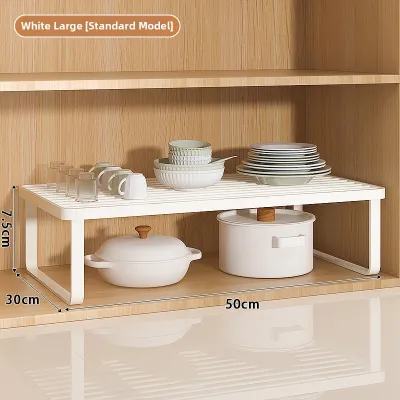
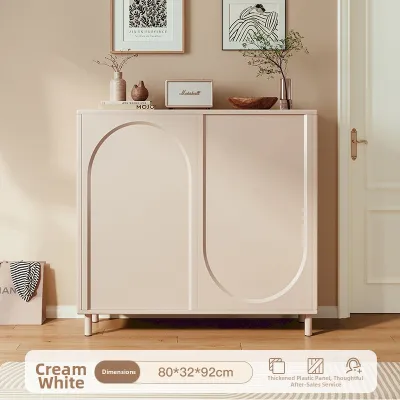
Prices are valid at publication and may change. Please refer to the product page for the latest price.
The primary advantage of these organizers is their non-permanent, renter-friendly nature. Since drilling into HDB built-in cabinets can void carpentry warranties, damage expensive laminates, or violate tenancy agreements, no-drill foldable shelves offer a risk-free alternative. They can be installed in minutes and removed or repositioned as your storage needs change, leaving no permanent marks or holes behind.
However, it is important to match the shelf to the correct type of inventory. Foldable shelves are ideal for lightweight dry goods, tea boxes, plastic food containers, small spice jars, and lightweight ceramic mugs. They are not designed to support heavy-duty items like cast iron pans, heavy ceramic dinnerware sets, or large kitchen appliances, which require fixed, structurally anchored shelving to ensure safety.
Key Features to Evaluate in No-Drill Foldable Shelves
When browsing online furniture stores or home organization marketplaces, you will encounter several distinct designs. Evaluating these key features will help you select a model that remains stable and functional over years of daily use.

Mounting Mechanisms
Different shelves rely on different methods to stay in place, and each requires specific cabinet conditions to function safely:
- Tension-Based Shelves: These designs use spring-loaded or screw-tightened tension poles that push outward against the cabinet walls. They require rigid, sturdy cabinet side panels that will not bow under pressure. Avoid using tension shelves in cabinets made of thin, unreinforced MDF or particle board, as the outward force can warp or crack the panels.
- Adhesive-Based Shelves: These systems use heavy-duty adhesive strips to secure mounting brackets to the cabinet walls. They require smooth, non-porous surfaces like sealed laminates, glass, or polished tile. They will not adhere reliably to textured, unfinished, or moisture-damaged wood.
- Clip-On/Under-Shelf Designs: These shelves feature arms that slide directly onto an existing cabinet shelf board, suspending a basket or platform underneath. You must check the thickness of your existing shelf to ensure the clips fit snugly, and verify that the clips do not prevent the cabinet doors from closing fully.
- Freestanding Folding Shelves: These units stand on their own legs and require no attachment to the cabinet walls. They are highly versatile and easy to move, but they depend entirely on a flat, stable base and must have sturdy, locking leg hinges to prevent accidental collapse.
Weight Capacity Limits
Always check the manufacturer’s specifications for the maximum load limit, which typically ranges from 2 kg to 10 kg depending on the design. It is crucial to distinguish between static weight (items sitting completely still) and dynamic loading (the temporary force applied when you place an item down or accidentally bump the shelf). To maintain a safe setup, factor in a safety margin by keeping your actual load at least 20% below the manufacturer’s stated maximum capacity.
Folding Clearance
Before purchasing, examine the hinge mechanism and the folded profile of the shelf. If you plan to fold the shelf away when not in use, ensure that the folded unit does not obstruct the cabinet door hinges, internal door dampers, or adjacent storage items. The folding joints should lock securely into place when the shelf is open to prevent the legs from buckling under a load.
Adjustability
Many modern foldable shelves offer adjustable widths or heights. Telescoping frames allow you to expand the shelf horizontally to fit the exact width of your cupboard, maximizing every millimeter of available space. If you choose an adjustable model, verify that the locking screws or tension collars hold firmly under weight and do not slip over time.
Choosing Kitchen-Safe Materials and Finishes
Kitchens in Singapore experience high humidity levels due to tropical weather and frequent cooking steam. The materials you choose must be able to withstand these conditions without degrading, rusting, or harboring mold.
Rust-Resistant Metals
If you prefer metal shelves, look for product labels specifying powder-coated steel, stainless steel, or chrome-plated finishes. Untreated or low-grade metals will quickly develop rust when exposed to kitchen moisture, which can stain your cabinet interiors and transfer to your cookware. Check the manufacturer’s care instructions to ensure the finish is rated for high-humidity environments.
Food-Safe Plastics
Plastic foldable shelves are lightweight, rust-proof, and highly affordable, typically ranging from S$10 to S$30. When selecting plastic, verify that the material is BPA-free and food-safe, especially if you plan to store unpackaged food items, fresh garlic, or onions directly on the shelf surface. High-quality plastics like polypropylene (PP) or ABS are durable and resistant to cracking under normal kitchen temperatures.
Wood and Bamboo Considerations
While natural wood and bamboo offer a warm aesthetic, untreated or poorly sealed wood is highly porous. It can absorb moisture from cooking steam and washing, leading to warping, joint separation, and mold growth. If you choose bamboo or wood, ensure it has been treated with a water-resistant, food-safe sealant, and avoid placing it in high-moisture zones directly above the sink or stove.
Surface Textures and Cleaning
Choose shelves with smooth, non-porous surfaces that can be easily wiped clean. Kitchen grease, oil splatters, and spice dust accumulate quickly, and highly textured surfaces can trap grime, making sanitization difficult. Removable plastic or silicone liners can be placed on wire wire-frame shelves to prevent small spice bottles from tipping over and to catch any accidental spills.
How to Measure Your Cupboard for a Perfect Fit
To avoid the hassle of returns, perform a systematic measurement check of your cabinet interior before buying any shelving unit. Do not rely on standard cabinet blueprints, as actual internal dimensions can vary slightly after installation.
- Measure Internal Dimensions at Multiple Points: Open your cabinet door and measure the internal height, width, and depth. Take these measurements at the front, middle, and back of the cabinet. Built-in cabinetry can sometimes bow or settle unevenly, so use the smallest measurement of the three as your buying guide.
- Account for Door Hinges and Hardware: Standard HDB kitchen cabinets often use concealed cup hinges that protrude significantly into the cabinet space when the door is closed. Measure how far these hinges extend into the cabinet and ensure your shelf legs or frame will not collide with them. Don't forget to account for soft-close dampers or magnetic catches mounted near the top or bottom of the frame.
- Identify Internal Obstructions: Look for exposed plumbing pipes (common in under-sink cabinets), electrical wiring conduits, gas pipe casings, or structural braces. These elements can block tension poles from making flush contact with the walls or prevent freestanding shelves from sitting flat against the back of the cabinet.
- Calculate Vertical Clearance for Stored Items: Measure the height of the tallest items you plan to store on the bottom level, and add at least 2 to 3 cm of clearance to allow your hand to slide the items in and out easily. Repeat this calculation for the top level of the shelf, ensuring your items will not hit the ceiling of the cabinet.
Installation Safety and Ongoing Maintenance
Proper installation and routine maintenance are essential to prevent shelf collapse, which can result in broken glassware and damaged cabinet interiors.
Surface Preparation for Adhesives
If your shelf relies on adhesive mounts, do not skip the surface preparation steps. Clean the cabinet wall thoroughly with a mild degreaser or rubbing alcohol to remove all grease, dust, and moisture. Allow the surface to dry completely. Apply the adhesive brackets, press firmly for at least 30 seconds to eliminate air bubbles, and wait for the manufacturer-specified curing time (typically 24 to 72 hours) before placing any weight on the shelf.
Rules for Weight Distribution
Always place heavier items near the outer edges of the shelf, close to the legs or mounting brackets, rather than in the center. This minimizes sagging in the middle of the shelf and reduces stress on the folding hinges. Distribute weight evenly across the surface, and avoid stacking items too high, which can make the setup top-heavy and prone to tipping.
Routine Stability Checks
Make it a habit to inspect your cupboard shelves every few months during your regular kitchen cleaning routine. For tension shelves, check that the poles remain tight and have not slipped down the cabinet walls. For adhesive mounts, inspect the edges of the adhesive pads for any signs of peeling, lifting, or bubbling. For folding models, verify that the hinge locks remain fully engaged and show no signs of bending or cracking.
Clear Stop Conditions
Immediately unload and remove any shelf if you observe slipping, bowing in the center, cracks in plastic joints, or peeling adhesive. Do not attempt to reinforce a failing temporary shelf with tape, glue, or makeshift supports, as these temporary fixes are highly prone to sudden failure.
Frequently Asked Questions (FAQ)
Can foldable shelves support heavy kitchen appliances?
No, foldable, no-drill cupboard shelves are designed for lightweight organization and are not suitable for heavy kitchen appliances. You should strictly follow the manufacturer’s stated weight limits and avoid placing heavy, heat-generating, or vibrating appliances—such as microwaves, blenders, or rice cookers—on them. The dynamic forces and vibrations from these appliances can easily compromise adhesive bonds, cause tension mounts to slip, or buckle folding hinges, leading to a sudden collapse.
Will adhesive mounts damage HDB cabinet laminates?
The risk of damage depends heavily on the quality of your cabinet’s laminate, the strength of the adhesive, and your removal technique. To minimize risk, check the product packaging for damage-free removal claims and test a small adhesive strip on a hidden area of the cabinet first. When removing the shelf, do not pull forcefully; instead, use a hair dryer on a low heat setting to soften the adhesive, or gently slide a piece of dental floss behind the adhesive pad to release the bond without tearing the laminate surface.
How should I clean the shelves without removing them?
To clean the shelves in place, use a soft microfiber cloth dampened with a mild, non-abrasive dish soap solution. Avoid using excessive water, dripping wet sponges, or harsh chemical degreasers, as liquid can seep into the folding hinges, tension pads, or adhesive backings, weakening the structural integrity and causing rust or adhesive failure over time. Dry the shelf thoroughly with a clean towel immediately after wiping.

Community discussion
Share your experience or ask a question. Comments are reviewed before publication.