
Finding the right shoe storage for a small HDB closet requires balancing vertical space utilization with easy accessibility. A highly effective solution is a combination of stackable clear shoe boxes for structured protection and adjustable shelf risers to double the capacity of existing built-in shelves. Because Singapore’s humid climate can trap moisture in enclosed wardrobes, selecting ventilated, modular options that fit your specific closet dimensions is key to keeping your footwear organized and mold-free.
Measure Your Closet and Audit Your Shoe Collection
Before purchasing any organizers, you must determine the exact physical limits of your wardrobe. Use a metal measuring tape to record the internal width, depth, and height of your closet space. Be sure to subtract the space taken up by door hinges, sliding door tracks, internal frames, and baseboards, as these protrusions can prevent storage units from fitting flush. For example, sliding door tracks often reduce the usable depth of a wardrobe by several centimeters, which can prevent standard shoe boxes from fitting.
Once you have the physical dimensions, audit your footwear collection to understand your actual capacity needs. Group your shoes by how often you wear them, their physical size, and their height. Keep daily-wear pairs like sandals or work shoes in the most accessible middle zones, while placing seasonal or formal footwear in less accessible areas. This categorization ensures you do not waste prime closet real estate on items you only wear occasionally.
Products mentioned in this guide
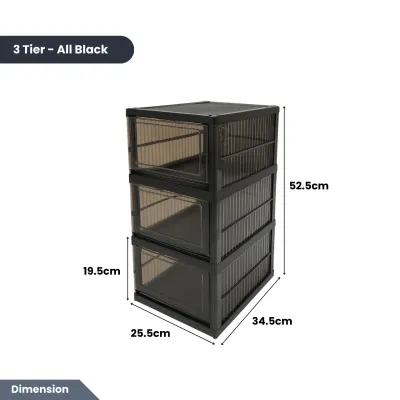
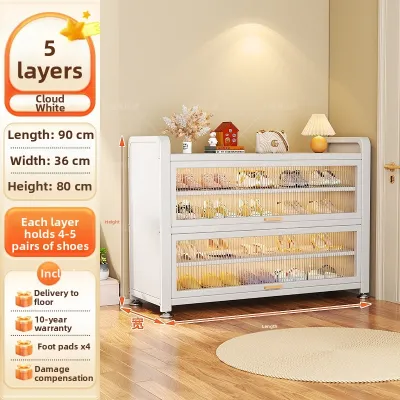
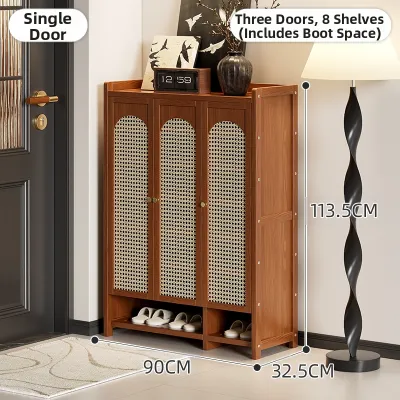
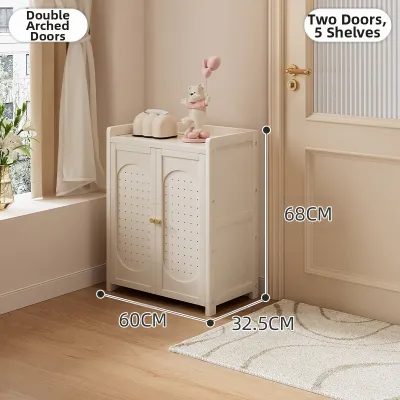
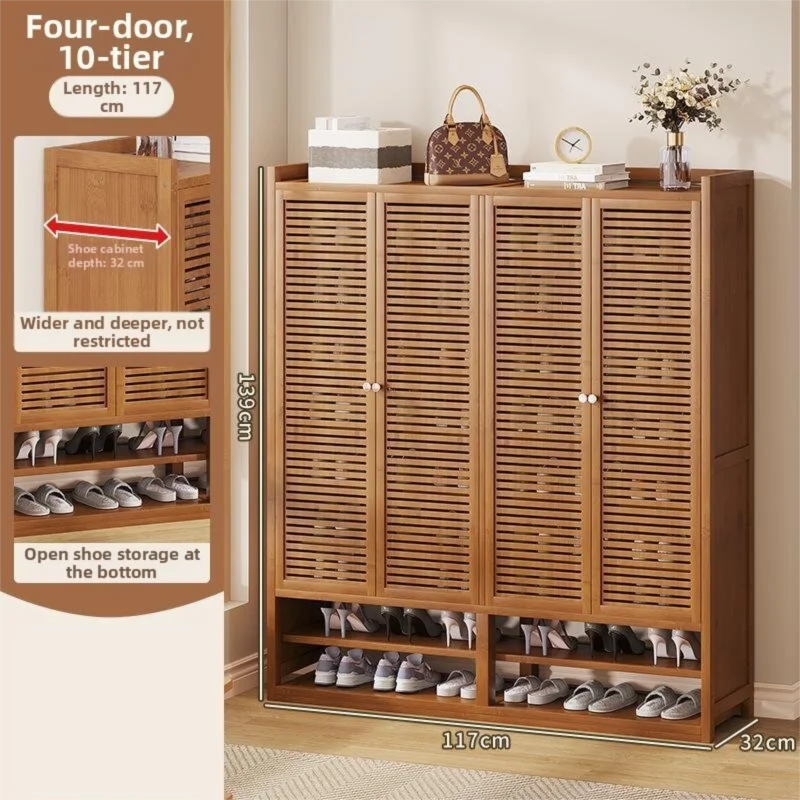
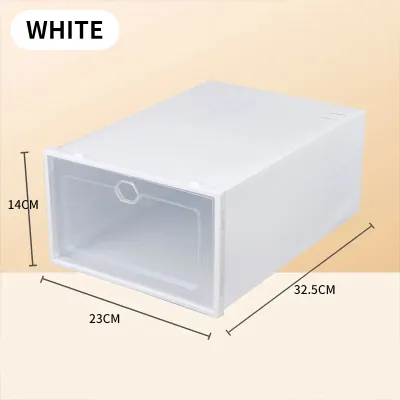
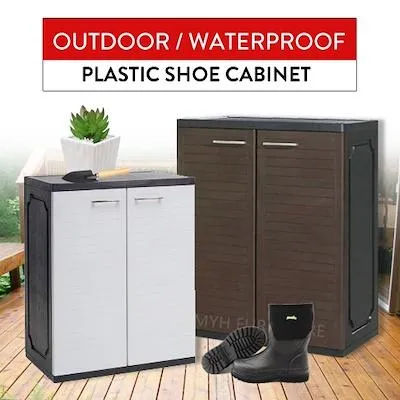
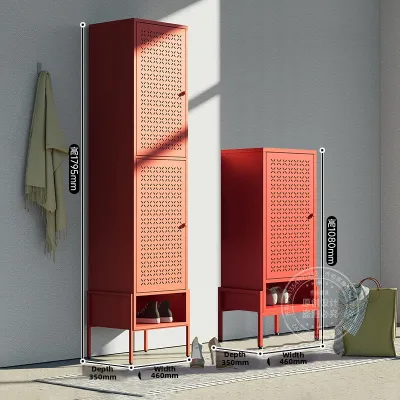
Prices are valid at publication and may change. Please refer to the product page for the latest price.
This audit also helps you identify underutilized dead zones within the closet. Look for empty spaces above the top shelf, unused floor corners, or the flat surface on the back of the closet door. These neglected areas are often ideal spots for specialized, space-saving organizers that do not interfere with your hanging clothes.
Space-Efficient Shoe Storage Types for Compact Closets
Selecting the right storage format depends on your shoe types and how much effort you want to spend retrieving them. Different designs offer distinct trade-offs in terms of visibility, protection, and ease of use.

Stackable Clear Shoe Boxes
Stackable clear shoe boxes are excellent for maximizing vertical space because they allow you to build a custom storage tower. The transparent plastic panels let you identify your shoes instantly without opening multiple containers, which keeps your morning routine efficient. They also provide excellent protection against dust and physical damage.
When shopping for these boxes, check the manufacturer’s labels for stacking stability, interlocking tabs, and weight limits. Look for designs with drop-front doors rather than removable lids. Drop-front doors allow you to slide a pair of shoes out easily without having to unstack the entire column of boxes, saving you time and effort.
Additionally, pay attention to the material of the boxes. Rigid acrylic boxes offer clarity and stability but can be heavier and more expensive. Foldable polypropylene boxes are lightweight and budget-friendly, though they may require more care when stacking to ensure they do not buckle under heavy footwear.
Over-the-Door and Hanging Organizers
For lightweight footwear, over-the-door or hanging fabric organizers offer a highly practical way to utilize vertical space. These organizers suspend from a closet rod or hang over the top edge of a door, keeping shoes completely off the floor and freeing up valuable shelf space.
Before choosing an over-the-door model, verify the clearance gap between the top of your closet door and its frame. If the gap is too tight, the metal hooks may scrape the frame, damage the paint, or prevent the door from closing fully. Additionally, check the hook load capacity and fabric stitching to ensure the organizer will not sag or tear under weight.
Because fabric pockets lack rigid support, restrict their use to lightweight items like flats, slippers, and canvas sneakers. Heavy leather boots or bulky athletic shoes can stretch the pockets, cause the organizer to pull away from the door, and potentially damage the door hinges over time.
Adjustable Shelf Dividers and Risers
If your HDB closet already has built-in wooden shelves, adjustable shelf dividers and freestanding risers can help you double your storage capacity without permanent modifications. These inserts create a second tier of storage on a single shelf, allowing you to place one shoe above another.
Compare tension-mounted dividers with freestanding metal or plastic risers. Tension-based options work well in sturdy wooden closets but require a solid surface to press against, whereas freestanding risers can sit on any flat shelf regardless of the material. Some designs feature individual shoe slots that stack a single pair vertically, which is highly efficient for narrow shelves.
When using risers, measure the height of the shelf insert plus the height of your shoes. Ensure there is enough clearance above the top shoe so you can slide it out easily without scraping the shelf above. This setup is particularly useful for low-profile shoes like loafers, flats, and sandals.
Critical Dimension and Clearance Checks Before Buying
A common mistake is buying organizers based solely on the nominal size of your closet. Always compare the external dimensions of the storage units against the actual, measured internal net space of your wardrobe. Even a discrepancy of a few millimeters can prevent a sliding door from closing or cause a stack of boxes to tilt.
You must also account for operational clearance. Drop-front shoe boxes, pull-out drawers, and fabric bins require physical space to open. Ensure that there is enough room in front of the storage units for drawers to slide out fully without hitting opposite walls, bed frames, or open closet doors. If your closet has sliding doors, ensure the boxes do not protrude into the path of the door panels.
Finally, verify that your new shoe organizers do not block other functions of your wardrobe. Ensure they do not obstruct sliding door tracks, pinch hanging garments, or prevent the main closet doors from latching securely. If you have long dresses or coats hanging nearby, leave enough clearance so the hems of these garments do not drag across the tops of your shoe organizers.
Safe Installation and Weight Distribution Guidelines
Installing your shoe storage safely protects both your footwear and your closet structure. Choose your mounting method based on your closet’s material and whether you are renting or own the flat. Tension-based and freestanding organizers are ideal for damage-free setups, while drilled brackets offer the highest stability for heavy loads.
To prevent tipping hazards, distribute the weight of your footwear strategically. Place your heaviest shoes, such as thick-soled boots or heavy sneakers, on the lowest shelves or at the bottom of stackable units. This lowers the overall center of gravity and keeps the storage system stable, reducing the risk of the entire assembly falling forward when you open a drawer.
If you plan to drill brackets into the back panels or side walls of a built-in wardrobe, consult the closet manufacturer’s guidelines first. Many modern wardrobes use thin particleboard backings that cannot support screws or heavy loads, and drilling into them without proper reinforcement can cause permanent structural damage. For lightweight or rental closets, stick to freestanding or tension-based systems that do not require drilling.
Frequently Asked Questions (FAQ)
How can I store tall boots without bending them in a short closet?
To store tall boots without damaging their shape, use adjustable shelving to create a taller opening, or insert flexible boot shapers to keep the shafts upright. Alternatively, you can lay the boots flat inside shallow, breathable storage bins placed on the closet floor. Always measure the exact height of your boots against the available shelf clearance before purchasing rigid storage boxes.
How do I manage shoe odor and moisture in a closed closet?
To prevent mold and odor in Singapore’s humid climate, choose shoe organizers with built-in ventilation holes or breathable mesh panels to encourage airflow. Place disposable moisture absorbers or charcoal deodorizers inside the closet to control humidity levels. Additionally, always ensure your shoes are completely dry and clean before placing them inside enclosed storage boxes.

Community discussion
Share your experience or ask a question. Comments are reviewed before publication.