
Selecting a foldable bed sofa for a Housing & Development Board (HDB) flat in Singapore requires a careful balance of spatial efficiency, mechanical reliability, and physical comfort. Because typical HDB living rooms and spare bedrooms have limited square footage, a standard sofa bed can easily overwhelm a room if its dimensions and conversion clearances are not meticulously planned. To find a suitable model, you must evaluate how the sofa integrates into your daily living space when folded, how much clearance it demands when fully extended, and whether its internal support structure can withstand regular use. By focusing on objective physical specifications, frame materials, and conversion mechanisms, you can secure a functional piece of furniture that maximizes your home’s layout without sacrificing comfort.
Key Dimensions and Space Constraints in HDB Living Rooms
The primary challenge of placing a foldable bed sofa in an HDB flat is managing the physical footprint in both its seating and sleeping configurations. Before browsing retail showrooms or online catalogs, you must measure the exact floor area where the sofa will reside. This measurement should account for the maximum extended length of the bed when it is fully deployed, which often extends far beyond the front of a standard sofa. Failing to measure this extended footprint can result in a bed that blocks vital pathways or collides with other furniture pieces.
Maintaining clear walking paths is essential for a comfortable and safe living environment. When the sofa bed is fully open, you should ideally preserve a clearance of at least 50 to 60 centimeters on any open sides and at the foot of the bed. This space allows you and your guests to move around the room naturally without having to climb over the mattress. If your living room is narrow, as is common in newer BTO (Build-To-Order) flats, you may need to prioritize models that expand sideways or have a shallower extended depth.
Products mentioned in this guide
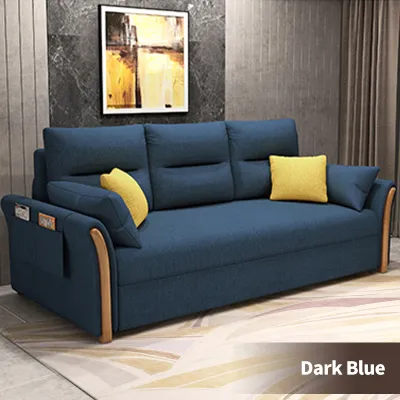
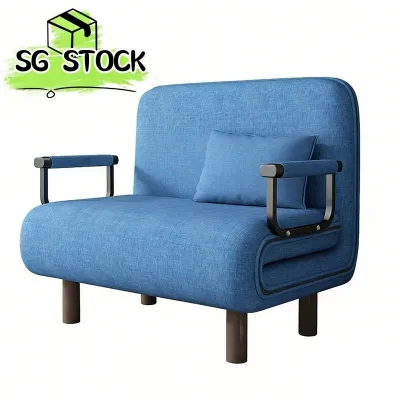
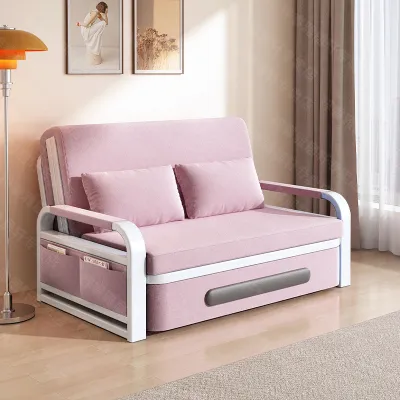
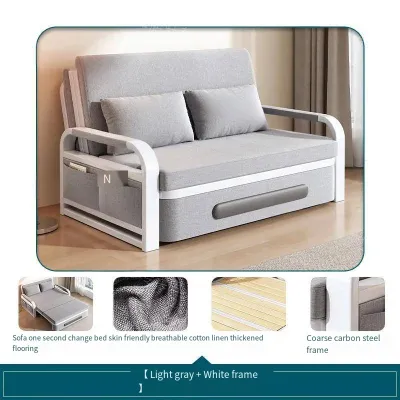
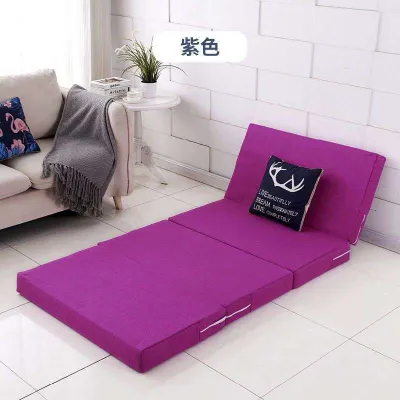
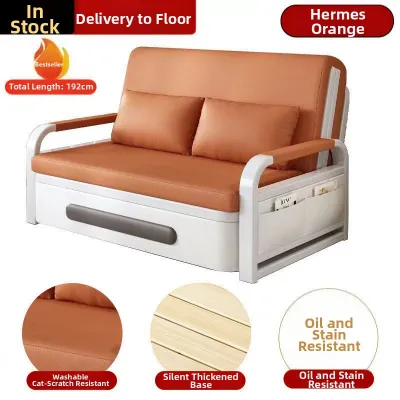
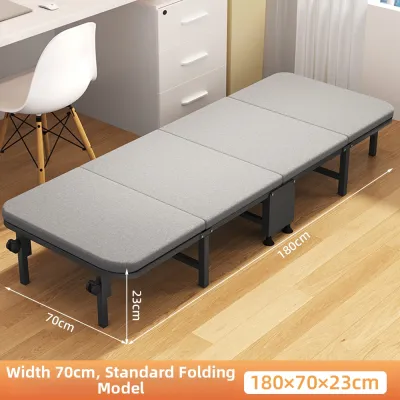
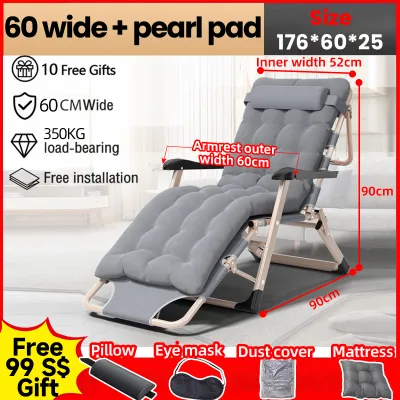
Prices are valid at publication and may change. Please refer to the product page for the latest price.
Another critical spatial factor is the swing radius of nearby doors, windows, and built-in cabinetry. An extended sofa bed must not obstruct the main entrance door, bedroom doors, or access to household shelters. Similarly, check that the bed does not block the opening of wardrobe doors, TV console drawers, or low-level cabinets. If the bed blocks these features, you will find yourself constantly moving furniture or struggling to access daily essentials whenever the bed is in use.
Beyond the room itself, you must plan for the delivery route from the unloading bay to your flat. HDB passenger lifts, corridor widths, and main door frames have strict dimensional limits that bulky furniture must pass through. Before finalizing a purchase, obtain the packaged dimensions of the sofa bed from the retailer. Compare these figures against your building’s lift door height, cabin depth, and the clear opening of your front gate and main door to ensure the delivery team can safely transport the item into your home.
Finally, consider the visual bulk of the sofa bed when it is folded. In compact living rooms, a heavy, solid-to-the-floor sofa with high armrests can make the entire space feel smaller and darker. To maintain an airy and spacious aesthetic, look for designs with raised legs that expose the floor underneath, or armless configurations that reduce the overall width. These design choices help minimize the visual weight of the furniture, making your HDB living area feel more open and inviting.
Evaluating Foldable Mechanisms for Compact Spaces
The mechanism used to convert a sofa into a bed determines not only how easy the furniture is to operate but also how much physical space is required for the transformation. Pull-out trundle mechanisms are highly popular because they store the sleeping surface directly beneath the main seat. To deploy them, you simply roll the lower frame forward and lift the mattress section to align with the seat cushion. While highly convenient, this design requires substantial forward clearance and a completely clear floor area in front of the sofa, making it less suitable for very narrow rooms.

Click-clack mechanisms offer a simpler, lighter alternative that operates by folding the backrest flat. To convert the sofa, you tilt the seat forward until the hinge clicks, then lay it back down to form a flat surface. While click-clack models require minimal forward clearance, they often demand that the entire sofa be positioned a few centimeters away from the wall to allow the backrest to fold down. If you choose this style, you must decide whether to leave a permanent gap behind the sofa or physically push the frame away from the wall during every conversion.
Fold-out or accordion-style mechanisms pull straight out from the back of the sofa, unfolding in three distinct sections. These models often feature a dedicated mattress that is separate from the seating cushions, providing a more consistent sleeping surface. However, because they unfold longitudinally, they require the greatest amount of forward clearance, sometimes extending more than two meters into the room. This mechanism is best suited for larger living rooms or dedicated study rooms where the space in front of the sofa is not restricted by fixed fixtures.
Regardless of the mechanism you choose, inspecting the structural integrity of the frame and hinges is paramount. Look for robust steel or solid hardwood frames that feature secure locking joints to prevent accidental folding or collapsing during use. When visiting showrooms, operate the mechanism multiple times to check for smooth movement, excessive noise, or resistance. A mechanism that feels stiff or unstable in the store is highly likely to experience premature wear and tear under daily use at home.
The base structure of the sofa bed also plays a vital role in weight distribution and floor protection. Models with wooden slats offer good flexibility and breathability for the mattress, but you must ensure the slats are securely fastened to prevent them from slipping out of place. Metal grid bases provide high durability and rigid support, though they should be checked for any sharp edges or weld points that could damage the upholstery. For models that rest directly on the floor when unfolded, verify that the contact points are smooth and well-padded.
Balancing Seating Comfort and Sleeping Support
Finding a sofa bed that excels as both a comfortable seat and a supportive bed is a common challenge, as the two functions require different physical properties. Seating typically requires firmer, more resilient cushioning to support your body weight while sitting upright, whereas sleeping requires a more pressure-relieving surface that contours to your body. High-density polyurethane foam is a common compromise, offering a firm, supportive feel that resists sagging over time. If you prefer a softer feel, look for models that incorporate pocket springs within the foam layers to mimic the bounce of a traditional mattress.
Over years of regular use, the middle section of a sofa bed—which bears the brunt of daily seating—is highly susceptible to sagging. To ensure long-term durability, check the density rating of the foam used in the cushions, aiming for high-resilience foam that bounces back quickly. Avoid models that rely solely on low-density foam, as they will quickly develop permanent indentations, compromising both the appearance of your sofa and the comfort of your sleeping surface.
Because most foldable bed sofas are constructed from multiple folding segments, you will inevitably encounter seams, gaps, or hinges when lying down. These uneven sections can cause discomfort and disrupt your sleep, particularly for side sleepers who experience pressure points on their hips and shoulders. To mitigate this issue, consider using a removable mattress topper made of latex or memory foam. A topper can be rolled up and stored in a closet when not in use, providing a smooth, continuous sleeping surface that elevates the comfort of any sofa bed.
The choice of upholstery material is especially critical in Singapore’s hot and humid climate. Heavy fabrics like velvet or low-grade synthetic leathers can trap body heat and moisture, leading to an uncomfortable, sticky sleeping experience. Instead, prioritize breathable fabrics such as linen blends, cotton weaves, or high-performance synthetic polyesters that promote airflow. These materials help keep the sleeping surface cool and are less prone to trapping odors in humid environments.
Maintaining hygiene is another essential consideration for dual-purpose furniture. Since the sofa bed will be sat on during the day and slept on at night, it is highly vulnerable to spills, sweat, and dust mites. Models with fully removable and machine-washable covers offer the easiest maintenance path, allowing you to keep the fabric fresh and clean. If the upholstery is fixed, look for fabrics treated with stain-resistant coatings, and plan to use a mattress protector whenever the sofa is converted for sleeping.
Pre-Purchase Checklist for Retail and Online Orders
Before finalizing your purchase of a foldable bed sofa, running through a comprehensive checklist can save you from costly delivery mistakes, structural failures, or warranty disputes. First, clarify the exact delivery terms with the retailer, especially when ordering online. Many furniture items require assembly, which can be challenging due to the heavy steel frames and complex hinge systems involved. Confirm whether the delivery fee includes professional on-site assembly, and ask if the company offers disposal services for your existing furniture, as HDB estates have strict regulations regarding the dumping of bulky items.
Next, verify the maximum weight capacity of the sofa bed, which should be clearly stated on the manufacturer’s product label or specification sheet. This limit must safely accommodate the combined weight of all intended users. For a double or queen-sized sofa bed, look for a weight capacity of at least 200 kilograms to ensure structural safety. Operating a sofa bed near or over its weight limit will accelerate mechanical wear, compromise safety locks, and potentially void your warranty.
It is also crucial to review the warranty terms in detail rather than relying on general marketing promises. A comprehensive warranty should explicitly cover the mechanical parts, folding joints, and structural frame, as these are the components most likely to experience wear or failure. Warranties that only cover the fabric upholstery or the foam cushions offer limited protection against the mechanical issues that can render a foldable bed sofa unusable.
Finally, understand the retailer’s return and exchange policies, particularly if you are purchasing the sofa bed online without testing it in person. Because comfort and firmness are highly subjective, you need to know what recourse you have if the sofa bed does not meet your expectations. Check if there is a trial period, whether you will be responsible for return shipping fees, and if the item must be returned in its original packaging. Having a clear understanding of these terms ensures a risk-free purchasing experience.
Frequently Asked Questions (FAQ)
Do I need to assemble a foldable bed sofa myself?
While some compact, single-seater sofa beds arrive fully assembled, most double or queen-sized models require at least partial assembly. This is because the heavy metal frames and folding mechanisms are often packed separately from the upholstered cushions to facilitate transport through tight HDB corridors and doorways. If you are not confident in your assembly skills or lack the necessary tools, it is highly recommended to choose a retailer that offers professional delivery and installation services. This ensures that the safety locks, hinges, and alignment are correctly set up, preventing operational issues or safety hazards down the road.
How can I protect my HDB flooring from the sofa bed mechanism?
The repetitive motion of converting a sofa bed can easily scratch, scuff, or dent vinyl, laminate, or polished tile flooring in HDB flats. To protect your floors, apply heavy-duty felt pads to all stationary legs and support blocks that contact the ground. For pull-out trundle models that utilize wheels or casters, ensure the wheels are made of soft polyurethane or rubber rather than hard, rigid plastic. Additionally, placing a low-pile area rug underneath the sofa bed’s deployment path provides a protective barrier while adding a stylish touch to your living space.

Community discussion
Share your experience or ask a question. Comments are reviewed before publication.